
Coffee continues to become significantly more expensive. Coffee beans in particular saw sharp price increases. That is according to a new price survey by the Consumentenbond. Rising prices are being driven by higher raw material and production costs within the coffee supply chain. Supermarket coffee prices increased by an average of 74% over the past five years. Depending on the coffee system, a cup of coffee at home now costs between €0.16 and €0.38.
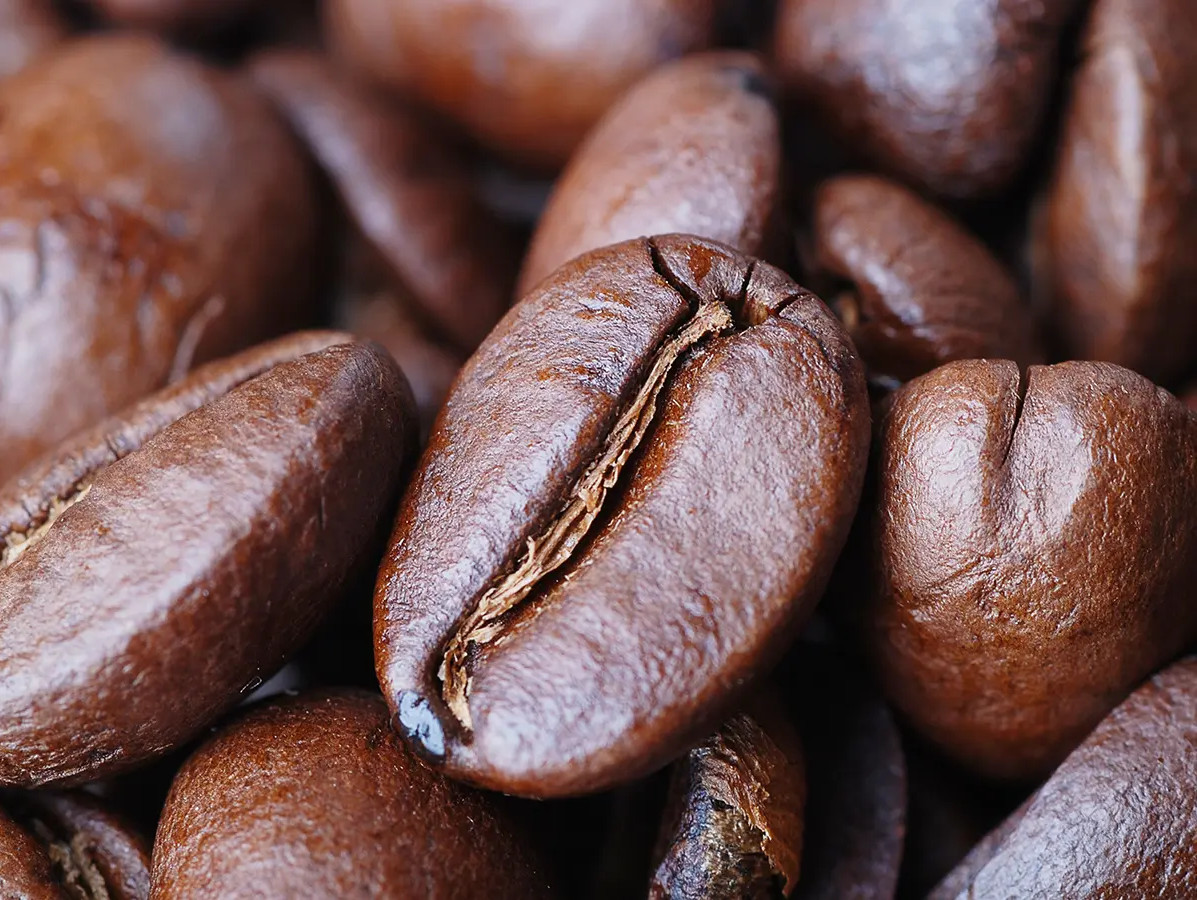
Coffee beans in particular became considerably more expensive. Their price doubled within five years. Coffee pads also rose sharply in price, increasing by an average of 78%. Filter coffee became 70% more expensive on average. Coffee capsules for Nespresso systems increased by 46%.
According to the Consumentenbond, prices vary by supermarket. Consumers pay the lowest average prices for A-brand coffee at Nettorama, Dirk and Vomar. Prices there are around 5% below the average price level.
At Plus, Jumbo and Albert Heijn, prices are slightly above average. According to the survey, Spar is the most expensive supermarket for coffee.
The price gap between A-brands and private labels remains substantial. Private-label coffee is on average 33% cheaper than A-brands. Drugstores also often sell coffee at lower prices than supermarkets. A 500-gram bag of Douwe Egberts Aroma Rood coffee beans costs €8.69 at Kruidvat. The same package costs €10.99 at Albert Heijn.
Several factors are driving higher coffee prices. Disappointing harvests in Brazil and Vietnam are reducing global supply. At the same time, demand for coffee continues to grow.
In the Netherlands, labor, energy and transport costs are also rising. European sustainability requirements are adding further pressure. Producers must invest in more sustainable cultivation and better working conditions. Manufacturers are passing those additional costs on to consumers.
Source: Consumentenbond
Magazine Voedingsindustrie has been made possible in part by:



© COPYRIGHT 2026 VOEDINGSINDUSTRIE | ALLE RECHTEN VOORBEHOUDEN
Powered by Wallbrink Crossmedia © 2026