The Dutch cucumber sector is becoming less dependent on the seasons. Growers are producing higher yields on the same acreage and supplying the market for longer. Buying patterns are changing too, as snack cucumbers gain ground. At the same time, the sector faces serious challenges. Businesses are reducing gas consumption, using water more efficiently, and seeking alternatives to synthetic crop protection products. Labor and automation also require considerable attention.
Around 200 Dutch greenhouse businesses grow cucumbers. The total acreage has remained between 620 and 640 hectares for five years. In 2025, the ten largest growers accounted for 31 percent. Ten years earlier, their share was their 23 percent.
Growers use lighting on approximately one-quarter of the acreage. They generally opt for energy-efficient LED lights. This technology can significantly increase production per square meter. Yield increases of 40 to 50 percent are not uncommon.
During winter, the Netherlands imports cucumbers from southern European countries. LED lights. This technology can significantly increase production per square meter. Yield increases of 40 to 50 percent are not uncommon.
During winter, the Netherlands imports cucumbers from southern European Dutch traders re-export LED lights. This technology can significantly increase countries. most of them to neighboring countries. Spain is Europe’s per square meter. Yield increases of largest producer, followed by the Netherlands and Poland.
Almost half of all Dutch cucumbers go to Germany. The domestic market accounts for 17 percent of the total. The United Kingdom receives 14 percent and Belgium 11 percent.
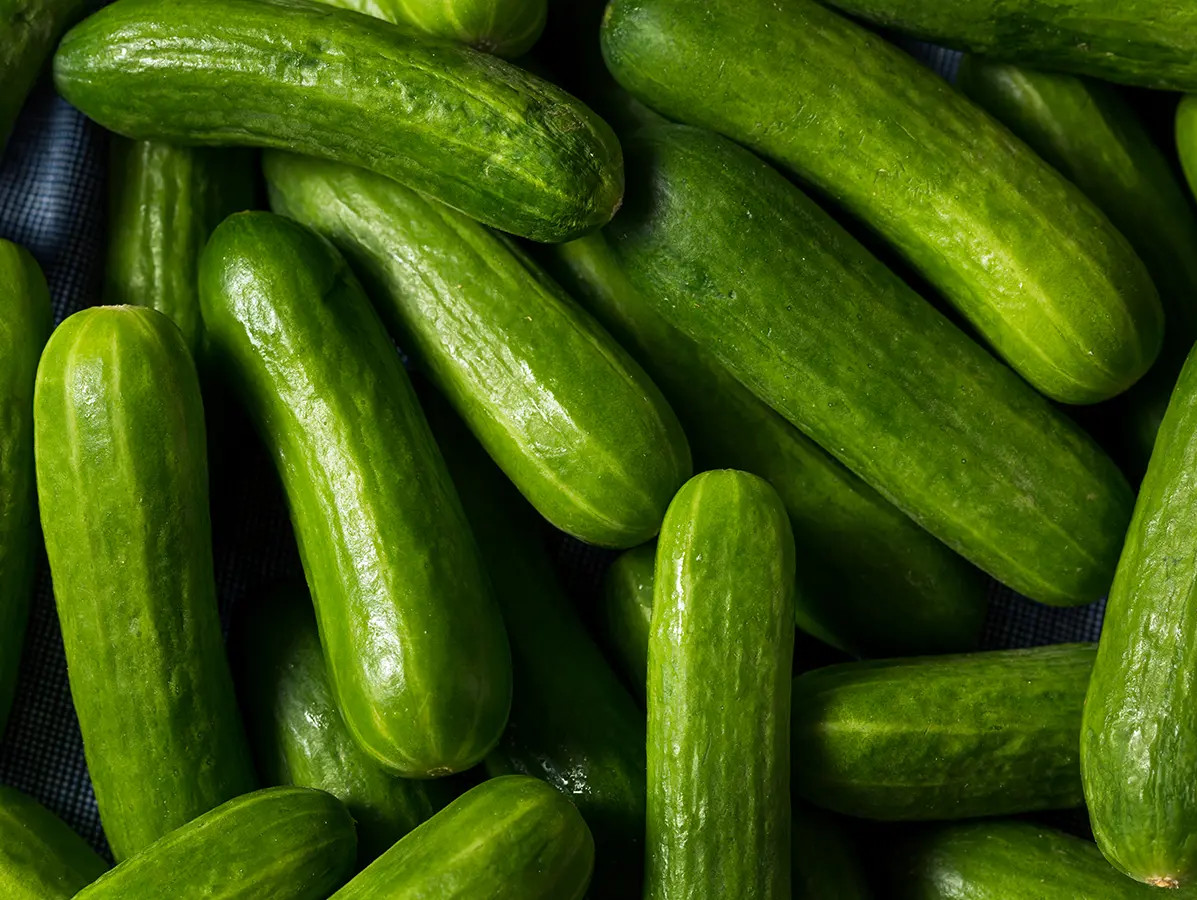
Snack cucumbers are gaining popularity as snacks and at lunchtime. In the Netherlands and Germany, these varieties account for almost 20 percent of total consumer spending on cucumbers. Families with children buy half of the supply available in stores.
Prices started 2026 at a high level. Since April, they have been at or below the multiyear average. Across 2025, prices were slightly lower than in 2024.
Geothermal energy offers growers a solution as they reduce gas consumption. Businesses are also testing AI-controlled water application systems. Their aim is to reduce water use during cultivation.
Green crop protection products, natural predators, and biostimulants should reduce the use of synthetic products. Labor sometimes accounts for 40 percent of total operating costs. Automation now supports sorting, packaging, stacking, and leaf picking.
Source: Rabobank
Magazine Voedingsindustrie has been made possible in part by:



© COPYRIGHT 2026 VOEDINGSINDUSTRIE | ALLE RECHTEN VOORBEHOUDEN
Powered by Wallbrink Crossmedia © 2026