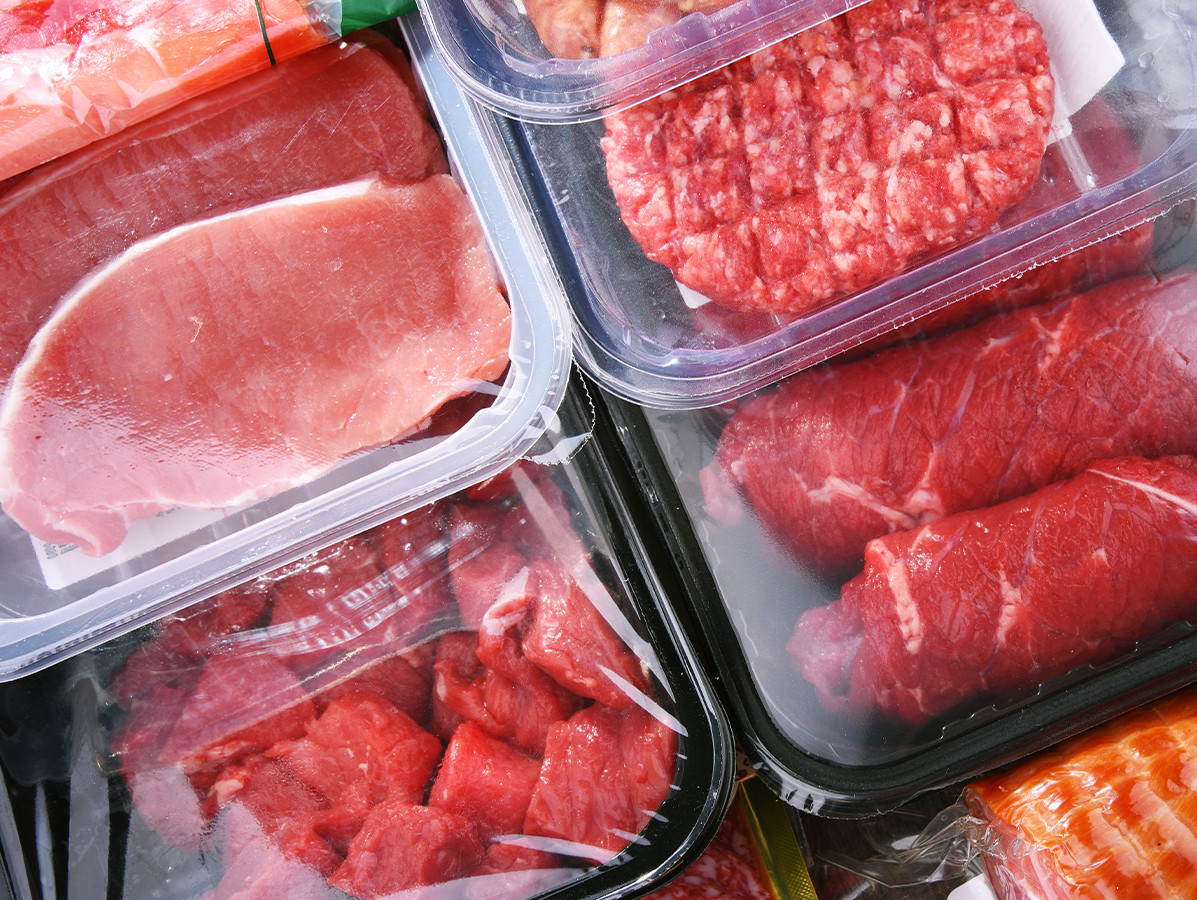
More recycled raw materials, less plastic, and greater use of plant-based materials: sustainability efforts are changing food packaging. But what substances come with those raw materials? And could they end up in food? According to BuRO, legislation and oversight have not kept pace with these developments. The office recommends stricter requirements and greater insight into the substances present.
The Office for Risk Assessment & Research (BuRO) of the Netherlands Food and Consumer Product Safety Authority (NVWA) examined food contact materials. These include packaging and articles that come into contact with food. The office assessed how legislation and oversight safeguard food safety.
Specific European rules govern the collection, sorting, and processing of recycled plastics. For other materials, BuRO recommends changes to national legislation. The Netherlands allows recovered paper as a raw material for food contact materials. Legislation sets no additional requirements for the recovered paper itself. However, it may contain contaminants that unintentionally end up in the material. The finished product is subject to legal food safety requirements.
BuRO also recommends specific food safety requirements for bio-based materials. NVWA research identified substances in these materials that may pose a health risk. These include PFAS, heavy metals, plasticizers, and pesticide residues.
BuRO recommends making a Declaration of Compliance mandatory for all material categories. This requirement does not currently apply to every category of food contact materials. The declaration should provide information about the substances present. This allows companies to assess whether packaging is suitable for specific food products. At food businesses, the NVWA can use the declaration to verify this suitability.
The NVWA often lacks sufficient information about the substances in food contact materials. Available testing methods also fail to detect all substances that may be present. This limits insight into the food safety of these materials.
BuRO recommends that the NVWA collect more data during inspections. Laboratory testing for nonvolatile substances should also be expanded. In addition, BuRO recommends research into the use of bioassays. These tests measure harmful effects of substances that migrate into food. Researchers do not need to identify each individual substance to do so.
Source: BuRO
Magazine Voedingsindustrie has been made possible in part by:



© COPYRIGHT 2026 VOEDINGSINDUSTRIE | ALLE RECHTEN VOORBEHOUDEN
Powered by Wallbrink Crossmedia © 2026