Albert Heijn wants to know exactly where its soy comes from – and that goal is getting closer. Together with partners in the Beter voor Natuur & Boer chain, the supermarket is taking a significant step towards a more transparent and sustainable soy supply chain. By using more sustainable soy in chicken feed, the climate impact of these products can be reduced by as much as 38 percent.
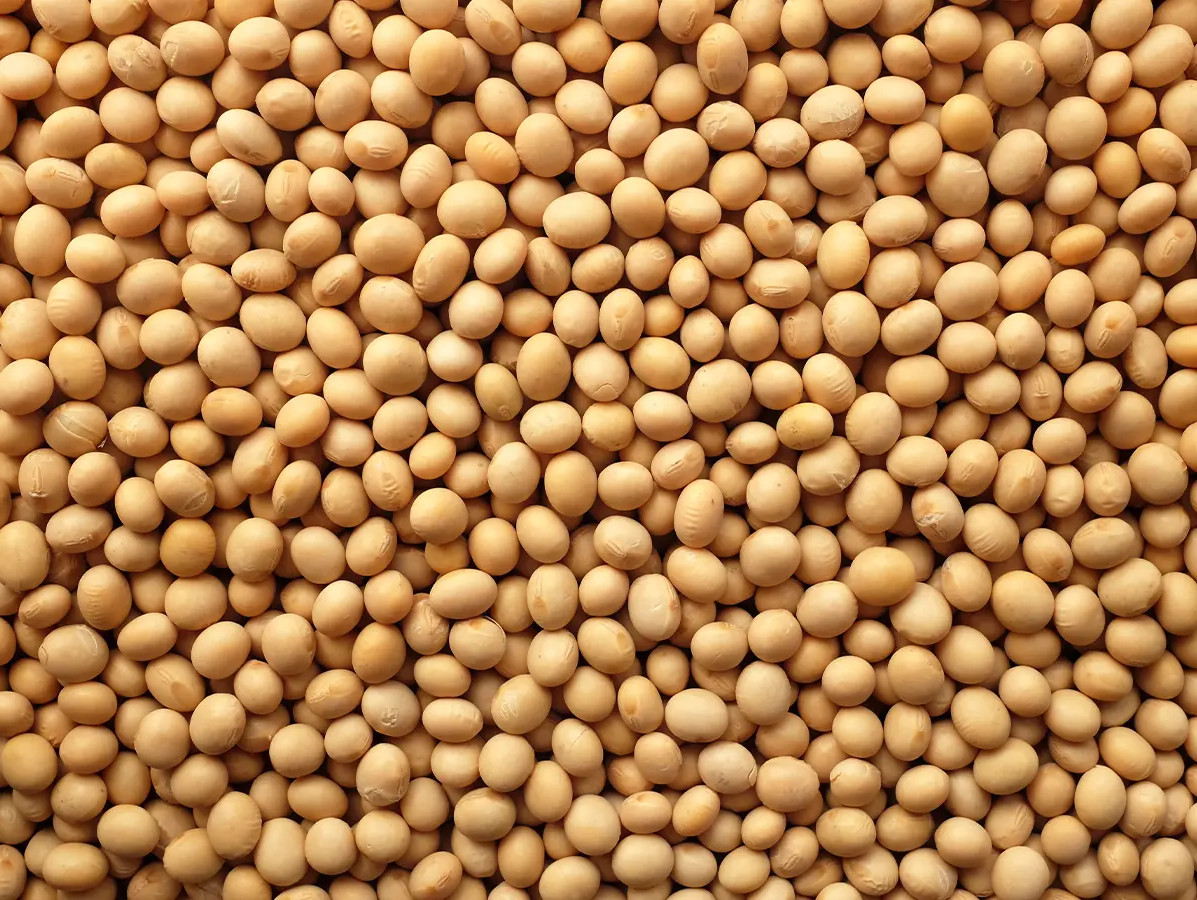
Soy is a protein-rich legume and an essential ingredient in animal feed. More than 95 percent of the soy in Albert Heijn’s supply chain is used for this purpose. Yet its origin is often hard to trace. That’s a challenge, since soy cultivation can pose risks to nature and local communities.
In a recent pilot project, Albert Heijn purchased soy through supply chain partners that was verified to have little or no deforestation or land conversion involved. By tracking the soy from farm level onwards, it becomes clear where real climate gains can be made – an important step for further sustainability improvements.
The supermarket now knows not only which country the soy comes from, but also which farmers produce it – and whether any nature was lost along the way. “Where we previously only knew the country of origin, we now know which farmers supply soy with a lower climate impact,” says Nienke Tjerkstra, responsible for sustainability, quality and health at Albert Heijn. “That matters, because transparency across the chain forms the foundation for genuine sustainability.”
WWF-NL also calls Albert Heijn’s move an important development. “The Netherlands is one of the largest soy importers for animal feed in the world and therefore has a major responsibility,” says Seline Meijer, Food & Agriculture Advisor at WWF-NL.
Albert Heijn is sharing the insights gained so that other companies can apply them as well. The supermarket collaborated with Plukon Food Group, animal feed producer De Heus, and soy suppliers ADM and Bunge, with support from Blonk and WWF-NL. The next step is to examine how this approach can be expanded to other chains, such as eggs and pork. With that, Albert Heijn aims to achieve a 45 percent reduction in emissions across its entire supply chain by 2030.
Source: Albert Heijn
Magazine Voedingsindustrie has been made possible in part by:


© COPYRIGHT 2026 VOEDINGSINDUSTRIE | ALLE RECHTEN VOORBEHOUDEN
Powered by Wallbrink Crossmedia © 2026