
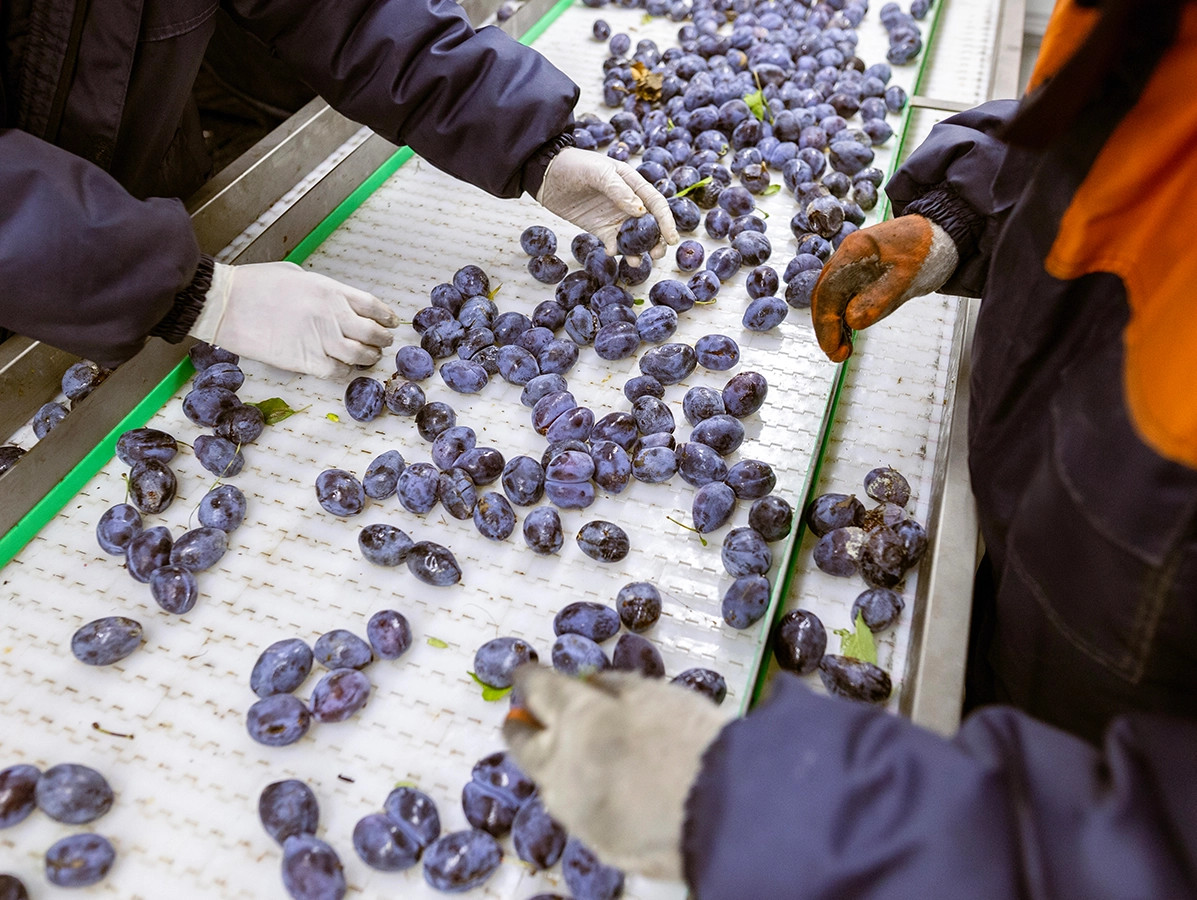
The trade in potatoes, vegetables, and fruit is significant in the Netherlands. That will remain the case, but the conditions are changing. Climate change, geopolitical tensions, and higher customer requirements are making the playing field more complex. Even so, Rabobank still sees ample room for companies in the sector. One condition applies: make clear choices and position strategically.
The Dutch AGF wholesale sector is sizeable and quite diverse. In total, about 1,670 wholesalers are active. Together they generate nearly €30 billion in revenue and provide around 18,000 jobs. The sector is also substantial at the European level. According to Eurostat figures, about 45,000 companies within the EU are active in the wholesale trade of potatoes, vegetables, and fruit. Combined revenue is around €255 billion.
Within this trade, activities vary widely. Some growers sell their products directly. In addition, there are cooperatives, importers, exporters, and supermarket purchasing organizations. Fruit ripeners, vegetable processors, packaging companies, and logistics service providers also play a role. One notable point: while production and retail continue to consolidate, the trading sector remains relatively fragmented. In fact, the number of registered companies has increased over the past twenty years.
The Netherlands remains an important hub for the trade in vegetables and fruit. Imports of products from outside the EU are growing faster here than the European average. Part of that growth comes from products that have gained popularity in recent years. Think of avocados, blueberries, mangoes, and ginger. New product flows are also attracting new companies.
For example, the number of companies in Europe importing blueberries from Peru has increased sharply. In 2015 there were about thirty; today there are more than 150. The Netherlands benefits from this development. The country has a large AGF cluster and a strong logistics position. Exporters from countries such as Peru, Chile, and South Africa are also increasingly opening sales offices in Europe.
At the same time, uncertainty around the availability of vegetables and fruit is increasing. In the Netherlands, production has stalled after years of growth. Across the EU, production is even declining. Several factors are at play. Climate change is one, but stricter rules on crop protection and water shortages also contribute. Labor shortages and a lack of successors at farming businesses add further pressure. Geopolitical tensions and logistical disruptions compound the situation.
On the demand side, consumption growth remains limited. After the pandemic peak, purchase volumes of fresh vegetables and fruit stabilized. With an aging population and slower population growth, volume growth is expected to remain modest. The result is stronger competition between sales channels. Supermarkets remain the main channel. At the same time, pressure is increasing from online sales and meal delivery services. In this market, a gain in market share for one player almost automatically means a loss for another.
Source: Rabobank
Magazine Voedingsindustrie has been made possible in part by:



© COPYRIGHT 2026 VOEDINGSINDUSTRIE | ALLE RECHTEN VOORBEHOUDEN
Powered by Wallbrink Crossmedia © 2026





