
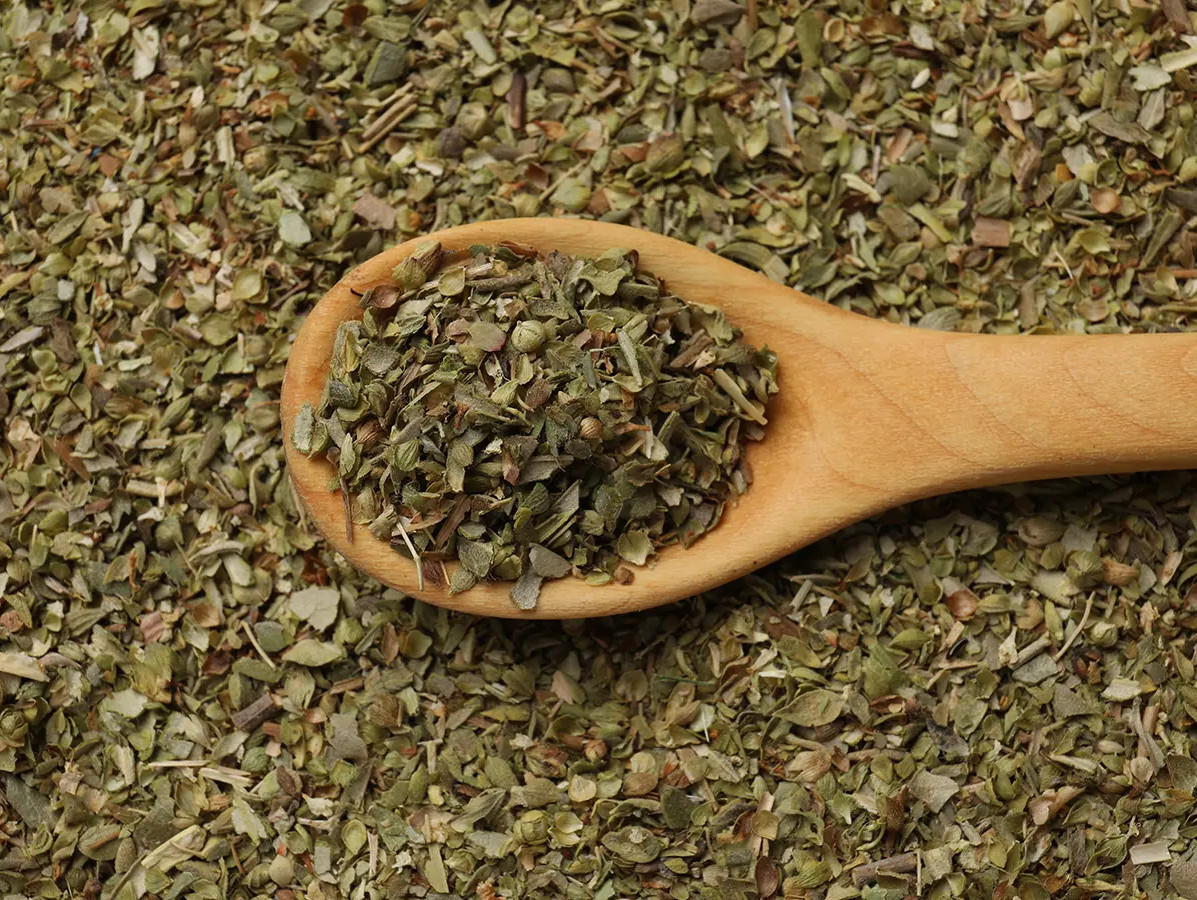
Dried herbs appear to be a straightforward and reliable product. Yet their composition is far from always pure. Research by the Joint Research Centre (JRC) of the European Commission shows that one in six tested herb samples involves fraud. Oregano, in particular, is strikingly often diluted with other plants.
The JRC laboratory in Geel analyzed nearly 2,000 samples of culinary herbs and spices. Fraud was identified in approximately sixteen percent of the samples. Oregano stands out most clearly. Of the 295 oregano samples tested, almost half turned out to be adulterated. In a quarter of the cases, olive leaves were involved. Myrtle leaves were also found on a regular basis.
“We see that there is mainly a problem with oregano. That is striking, because it is not an expensive product,” says JRC researcher Thomas Linsinger in the VRT podcast Het Uur van de Waarheid. According to him, high usage plays a role. “Oregano is used in large quantities. When you make pasta or pizza, you add a generous pinch of oregano.” In addition, the samples often contained unexplained high levels of thyme, marjoram, and sage.
Fraud is not limited to oregano. In black pepper, contamination was identified in 17 percent of the samples. Researchers found, among other things, dried papaya seeds, rice, buckwheat, and other grains. In some cases, this involved mustard seed or even ash.
Cumin also regularly proves to be impure. In 14 percent of the samples tested, ground coriander, mustard seed, linseed, and caraway were found. In the podcast, Linsinger also spoke about adulteration involving saffron. In one out of ten tested saffron samples, no saffron was found, but other yellow flowers such as marigold or safflower.
According to Linsinger, the identified adulterants usually pose little health risk. “It also does not really affect the taste; it will still taste like oregano.” He does, however, describe it as consumer deception and points to unfair competition. “If you buy oregano, you naturally want to get oregano and not olive leaves.”
Source: Vilt
Magazine Voedingsindustrie has been made possible in part by:



© COPYRIGHT 2026 VOEDINGSINDUSTRIE | ALLE RECHTEN VOORBEHOUDEN
Powered by Wallbrink Crossmedia © 2026