
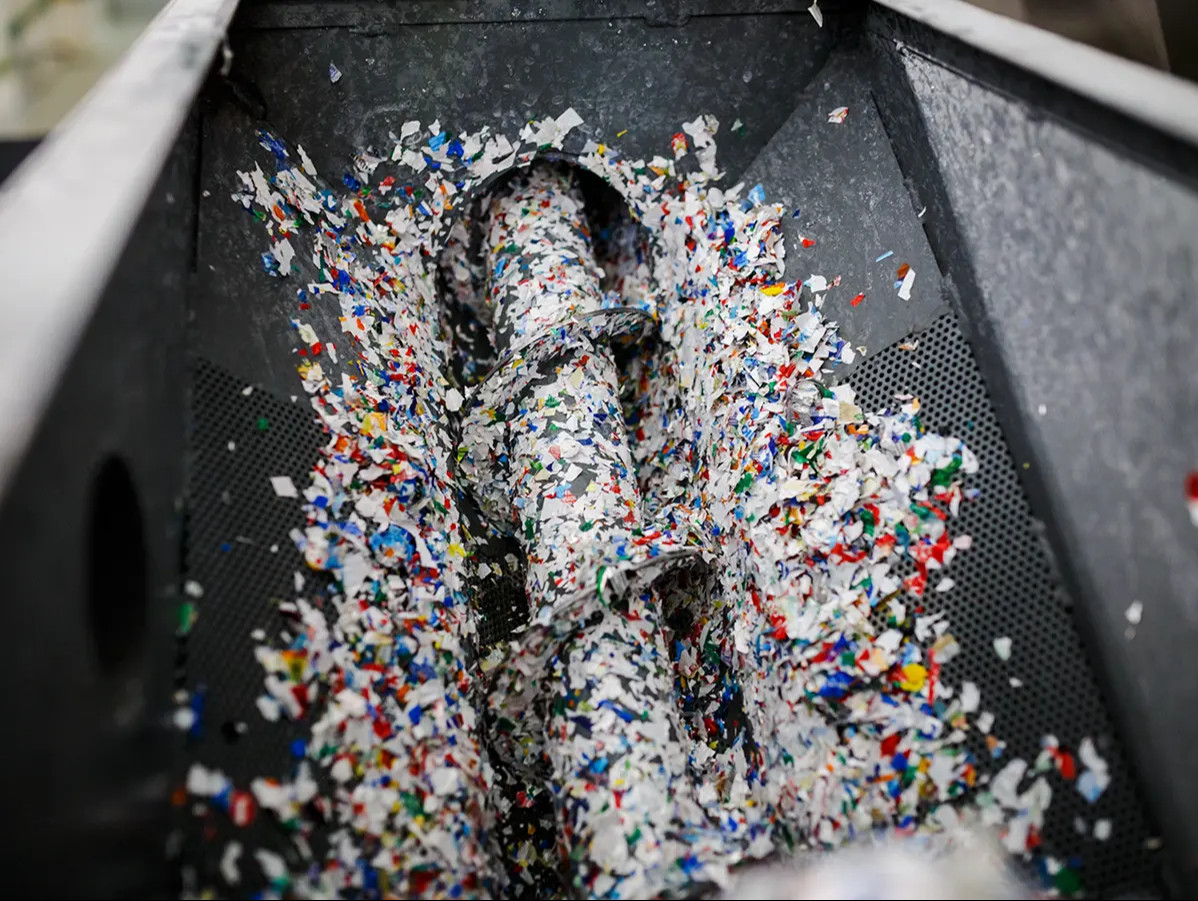
Nearly nine out of ten packages in the Netherlands are recycled or reused. This puts the Netherlands among the international leaders. Behind that high percentage, however, is a supply chain under pressure. Verpact’s annual report presents both achieved results and new areas of concern. Developments involving recycled material, fees and deposit returns are particularly relevant to producers.
Verpact has offered producers a discount on their fees for several years. This encourages the use of recycled plastic in new packaging. An additional discount for European recycled material will follow next year.
The Deltaplan Circulaire Plastic Verpakkingen also aims to stimulate demand. This resulted in an additional 6,400 metric tons of recycled material being used in the first half of 2026. The material was incorporated into new packaging. In 2025, plastic beverage bottles contained 43 percent recycled PET. This share exceeds the legal requirement of 25 percent.
Producers invested nearly €670 million through Verpact last year. More than €320 million went toward plastic collection and recycling. All statutory targets for packaging materials were met last year. Forecasts indicate that targets for plastic and beverage cartons are under pressure.
Low-cost virgin plastic weakens the competitive position of recycled material. European rules also require more processing within Europe. An export ban also applies to plastic waste sent to non-OECD countries. Verpact therefore considers sufficient European recycling capacity essential.
The collection rate for cans rose to 86 percent in 2025. For plastic beverage bottles, the rate increased to 78 percent. The statutory collection target is 90 percent.
More than 2,500 refund-issuing return points were added in the first half of 2026. Verpact is also working on more bulk return machines and easier returns. The organization is also working on a possible expansion of the deposit-return system. This would cover plastic juice and dairy packaging.
Source: Verpact
Magazine Voedingsindustrie has been made possible in part by:



© COPYRIGHT 2026 VOEDINGSINDUSTRIE | ALLE RECHTEN VOORBEHOUDEN
Powered by Wallbrink Crossmedia © 2026