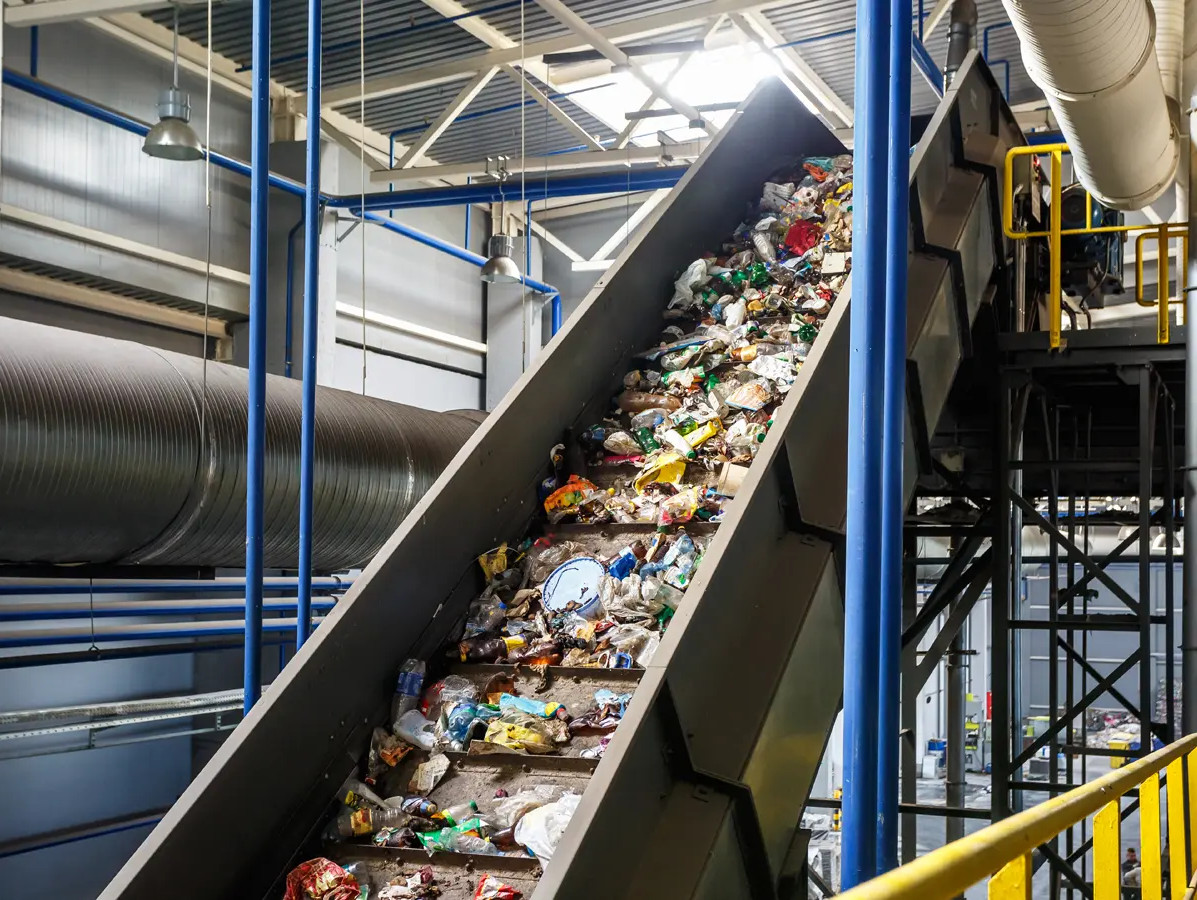
Plastic packaging keeps food fresh for longer, but it is not always easy to recycle. A consortium led by Utrecht University and companies from across the recycling chain will spend the next four years developing solutions for packaging that currently often ends up being incinerated. The CLEAN project has received €1.5 million in funding from the National Growth Fund programme Circular Plastics NL.
The project focuses on thin polyolefin films that are widely used in horticulture and as packaging materials. These films often contain contaminants and a range of additives. The thin EVOH layer also makes recycling more difficult. For example, it helps keep cheese fresh for longer.
After pyrolysis, the resulting oil contains a relatively high level of oxygen due to the presence of EVOH. As a result, it is less suitable as a feedstock for new plastic. Because current separation technologies do not remove the EVOH layer effectively enough, many of these packages still end up in the incinerator.
The CLEAN project brings together partners from across the entire recycling chain. Renewi collects plastic waste, sorts it and processes it into flakes. BlueAlp then converts these flakes into oil at high temperatures. Shell uses that oil to produce feedstocks for new plastics and chemicals.
Researchers at Utrecht University are developing new catalysts and adsorbents. These are designed to remove contaminants from plastic waste and improve the separation of different types of plastic.
“By working together, we gain access to real-world challenges and can better align our expertise with them,” says project coordinator Bert Weckhuysen.
According to Kim Meulebroeks, Innovation Manager at Renewi, this could make a wider range of plastic waste suitable for pyrolysis. She expects this to increase recycling volumes and reduce the amount of plastic that needs to be incinerated.
Source: Universiteit Utrecht
Magazine Voedingsindustrie has been made possible in part by:



© COPYRIGHT 2026 VOEDINGSINDUSTRIE | ALLE RECHTEN VOORBEHOUDEN
Powered by Wallbrink Crossmedia © 2026