
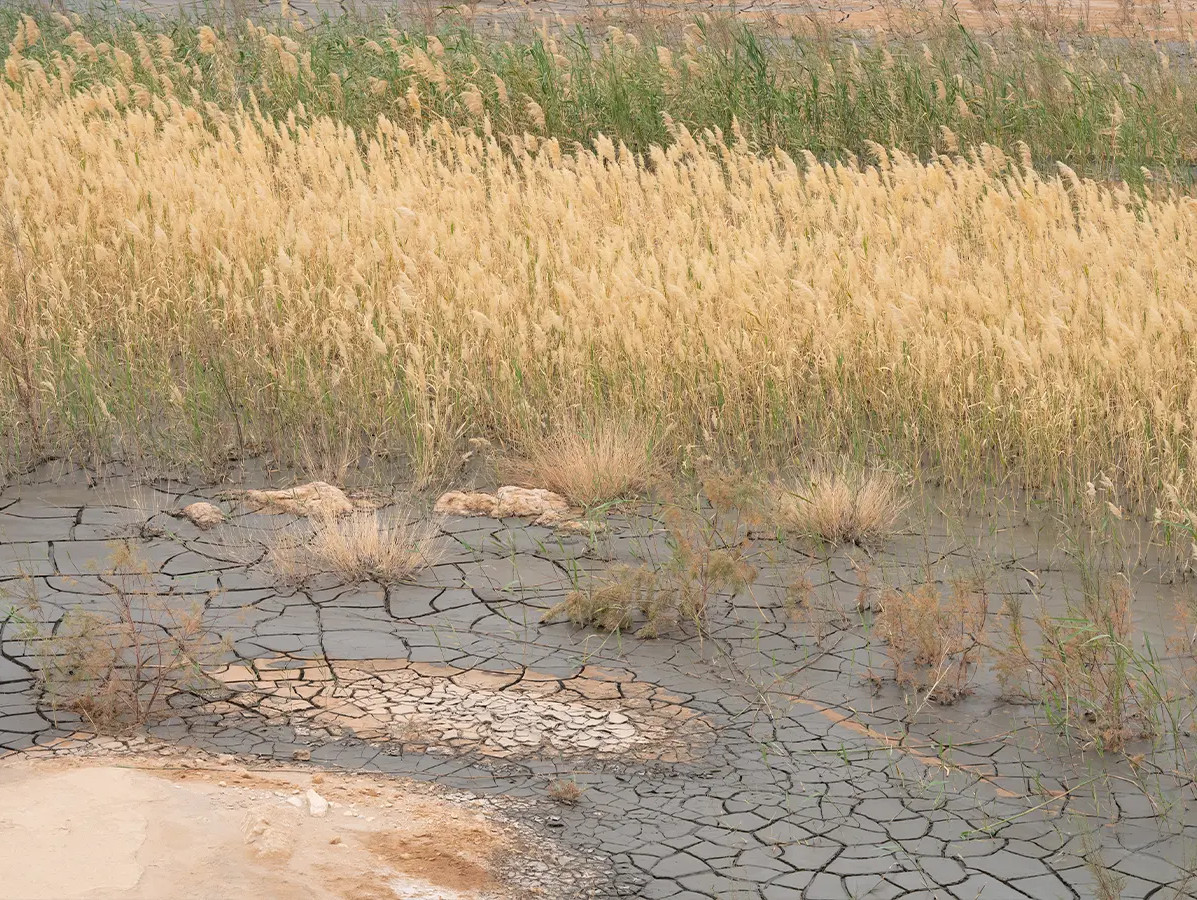
The number of people facing acute hunger has doubled over the past ten years. In 2025, this affected 266 million people worldwide. At the same time, risks to food markets are increasing due to conflicts, climate change, and economic pressure. This is according to the Global Report on Food Crises 2026 by the Global Network Against Food Crises (GNAFC). These developments are placing further strain on international food supply chains.
In 2025, 266 million people were affected by acute food insecurity. That represents nearly 23 percent of the population analyzed. The issue is heavily concentrated in ten countries, including Sudan, Afghanistan, and Yemen.
A notable trend is the rise in extreme situations. For the first time, famine was declared in two areas within a single year: Gaza and parts of Sudan. According to UN Secretary-General António Guterres, this is “an unprecedented development.” The number of people in the most severe category of hunger is now nine times higher than in 2016.
Conflicts remain the primary driver of food shortages. Climate shocks and economic pressure are reinforcing this effect. At the same time, the report warns of broader consequences for global food markets.
The escalation in the Middle East in particular is creating additional risks. The region is highly dependent on food imports and plays a role in energy and fertilizer exports. Disruptions in transport and rising costs are directly reducing purchasing power in vulnerable areas.
According to the report, these developments may also lead to wider disruptions in agrifood markets. As a result, uncertainty around availability and pricing continues to increase.
Efforts to address food crises are under pressure due to declining funding. Budgets have dropped back to levels seen nearly a decade ago. This limits the ability of governments and aid organizations to respond effectively.
There is also a growing shortage of reliable data. Fewer countries are providing consistent figures, leaving an incomplete picture of the situation. According to the report, any apparent decline in numbers may therefore look more favorable than it actually is.
For 2026, the outlook remains uncertain. Conflicts, economic pressure, and risks to food markets continue to keep the global food system under strain.
Source: FAO
Magazine Voedingsindustrie has been made possible in part by:



© COPYRIGHT 2026 VOEDINGSINDUSTRIE | ALLE RECHTEN VOORBEHOUDEN
Powered by Wallbrink Crossmedia © 2026