
The incoming coalition plans to introduce a sugar tax on pre-packaged products containing more than 6 percent sugar. This brings a long-standing policy issue back firmly to the table. According to Ceel Elemans, Expert at ING, that is far from unnecessary. “The conclusion is clear: a different, more targeted approach is needed.”
The trigger is the latest RIVM evaluation of the National Prevention Agreement. It shows that voluntary agreements are not delivering sufficient results. The share of people who are overweight continues to rise. By 2040, an estimated 55 to 56 percent of adults will be overweight, compared to an ambition of no more than 38 percent. Among children, the figure is around 14 percent, while the target stands at 9.1 percent.
Current agreements are only slowing the increase to a limited extent. The report makes clear that voluntary policy has reached the end of the road. According to Elemans, what is needed is a smart sugar tax that genuinely encourages producers to reduce sugar and deliver health gains.
In his view, a sugar tax should not be designed to generate additional tax revenues or unnecessarily raise food prices. The objective is straightforward: less sugar in products.
A sugar tax based on a single 6 percent threshold would, according to Elemans, only affect a limited category of products sitting just above that level, such as a yoghurt drink containing 7 percent sugar.
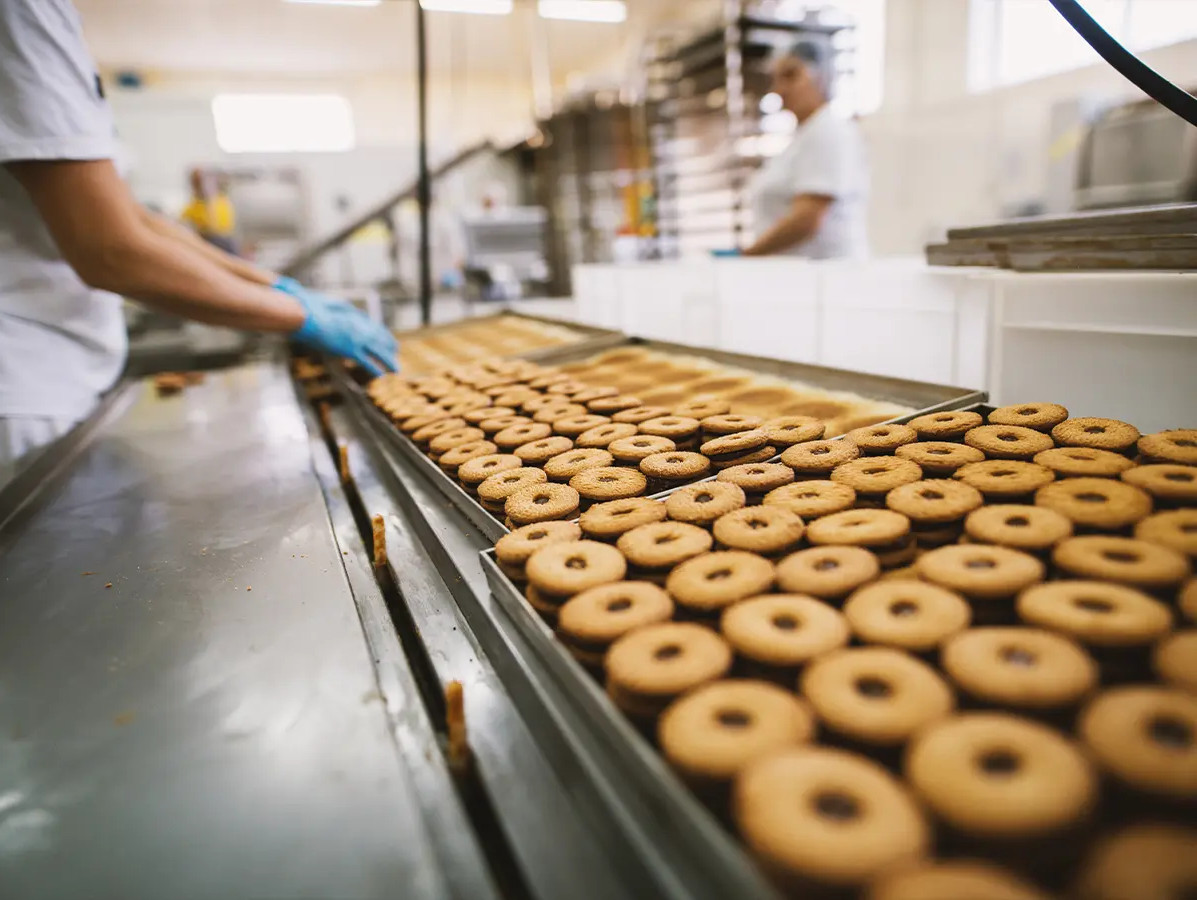
Producers of biscuits and chocolate, with sugar levels ranging from 30 to as much as 58 percent, would see little impact from a 6 percent threshold. They are more likely to respond to binding reduction targets per product category, for example a 10 percent reduction.
Elemans argues that producers and industry associations should be given a clear role in shaping the policy framework towards 2030. By working together on recipe reformulation, a better balance between taste and health can be achieved.
“That will certainly motivate producers to step up their efforts, as it creates a credible perspective on a healthier society without pointless price increases,” said Ceel Elemans.
Source: ANP
Magazine Voedingsindustrie has been made possible in part by:



© COPYRIGHT 2026 VOEDINGSINDUSTRIE | ALLE RECHTEN VOORBEHOUDEN
Powered by Wallbrink Crossmedia © 2026