Watering bans, extremely low river levels, wildfires, heat waves. Europe’s weather is changing, and the need to rethink how we use water is growing more urgent. The ‘Roadmap and Opportunities for Water Reuse in the Dutch Food Industry’ helps the industry get started.
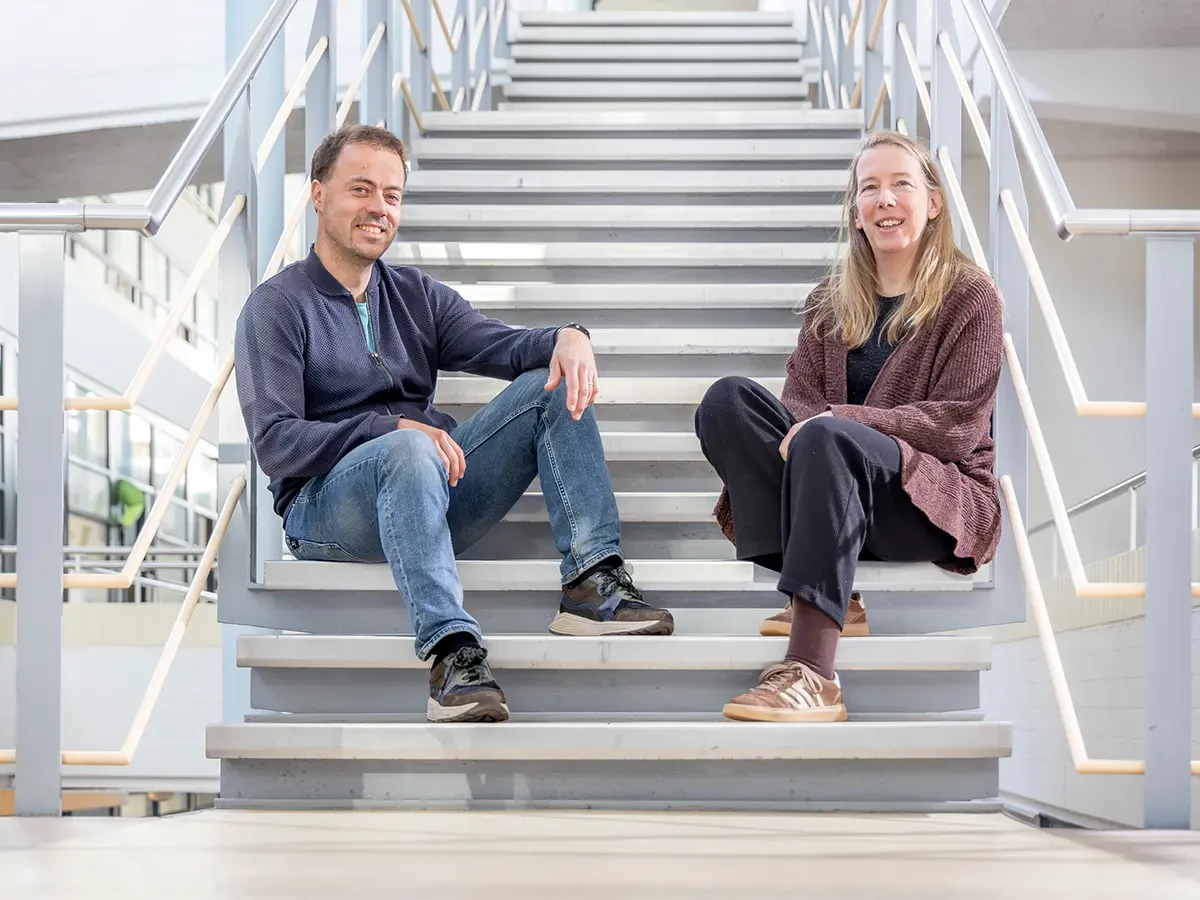
Using alternatives to drinking water, including reusing water on site, will soon become essential to operations in the Dutch food industry. The ‘water reuse roadmap outlines what’s needed, what challenges lie ahead, and what steps need to be taken. WUR researchers Peter Geerdink and Martijntje Vollebregt are the driving force behind the document. Martijntje: “With this tool, we want to close the gap between research and what happens in practice. We put it together with a wide range of stakeholders. They can use it to draw up a concrete action plan. There’s a lot to do. For example, making water use circular in the food industry requires technologies that reduce water consumption, as well as technologies that treat wastewater to meet or nearly meet drinking water standards so it can be reused. We need to look for ways to tap into new water sources.”
Peter: “Water is still fairly cheap and readily available in most places. That gives companies little incentive to act. Even so, one question will become increasingly relevant in the coming years: ‘How can we make the most efficient use of the water we have?’ Most food companies use a substantial amount of water. Products such as potatoes, vegetables, fruit, and fish are washed with drinking water when they arrive at the plant and are often rinsed with it after processing, too. Plants use it to move products and for processes such as cooking, steaming, and evaporative cooling, and they rely on it for cleaning.”
“Every company should have someone working on this, in part to help keep the business running,” says Martijntje.
“In some parts of the Netherlands, such as Urk, companies can no longer expand or build new facilities because they can’t get a connection to the public drinking water supply,” says Peter, underscoring the need to act. “Tackling this is essential to keeping your business running. If you do nothing, the problem will catch up with you.”
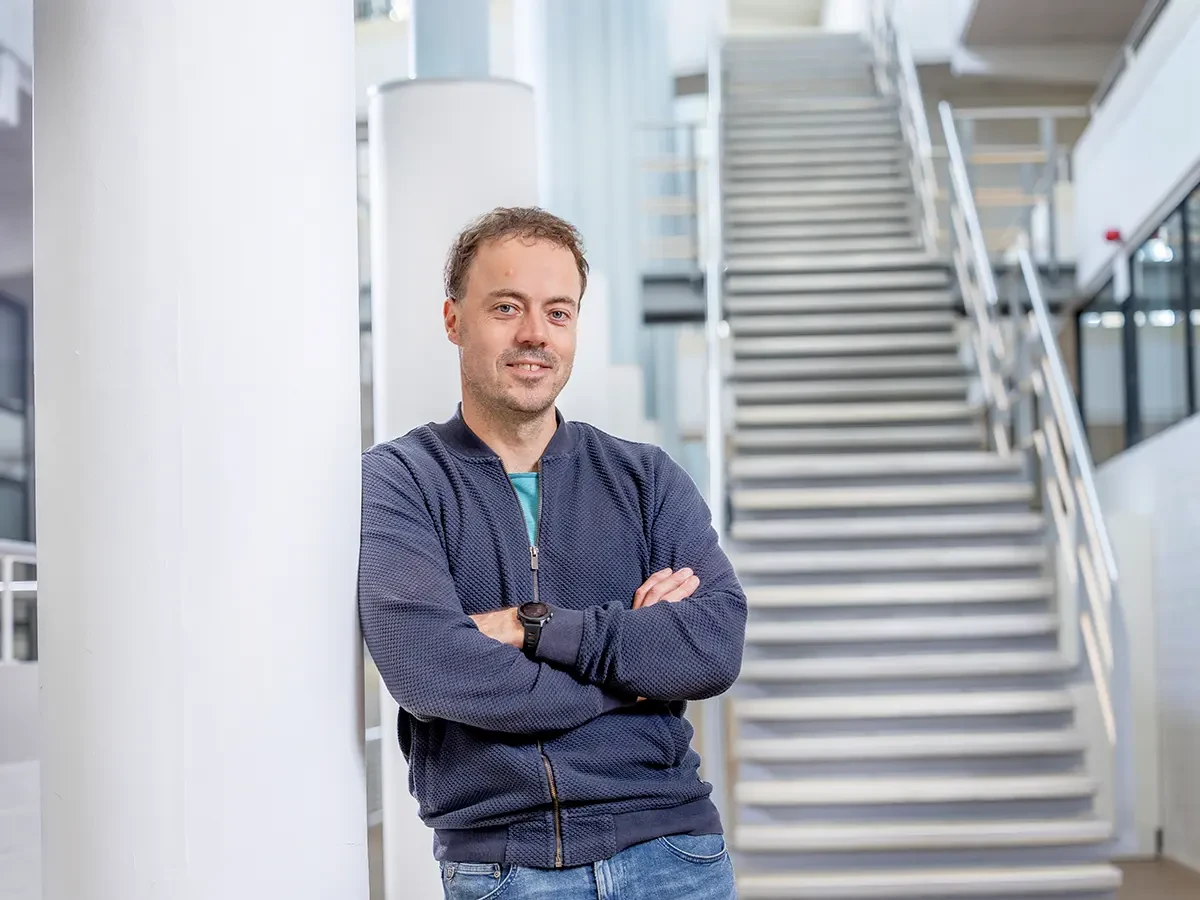
“It starts with measuring,” says Peter. “You need to know how much water you actually use before you can manage it. Take a close look at different parts of your plant. Find out how much water goes through a particular machine per hour and per day. You may find, for example, that some pumps are getting cooling water at much higher flow rates than they need. Exactly how much water do you use for cleaning? Could you use less? These checks require little investment and quickly show you where the easy wins are. Small adjustments can make a difference. For tank cleaning, for example, rotary spray heads clean just as well as standard spray balls while using much less water. There’s a way to clean membranes using 50% less water. A sweeper can easily pick up dry powders without the need to hose them down.”
Martijntje: “Of course, there are important conditions to meet when reducing water use and reusing water. Product quality and food safety must always come first in the food industry.”
“That’s one reason why good communication with people on the plant floor is essential when you introduce new procedures and technologies,” Peter emphasizes. “Management can decide to put a different nozzle on a washdown hose, but if you don’t explain why you’re making the change and how the nozzle works, there’s a real chance employees will take it right back off. Maybe it’s harder to use, or maybe the job suddenly takes longer. Measures like these only gain broad support once people really understand how much saving water matters to keeping the business running.”
Martijntje: “Cutting consumption is a good starting point for getting water use on the company’s agenda. But you can only cut back so far. Food companies will always need a minimum amount of water, both as an ingredient and for production processes. So to make water use truly circular, you also need to reuse it. Can you develop an alternative supply, store water, reuse it, or cascade it from one process to another? For example, you could collect water used to cool a machine in a buffer tank and use it later for the initial rinse in a clean-in-place (CIP) cycle. The law requires water of drinking water quality for the final step in cleaning, but that requirement doesn’t apply to the initial rinse. There are plenty of other processes that could also run on water of a different quality. The reason plants often use drinking water for every process today is simply that they usually have just one set of water pipes. The cost of installing a second system is easy to justify when you weigh it against the risk of losing access to the water you need to keep all your processes running.”
Peter: “There are good examples of effective water reuse in the Netherlands, including in starch production and dairy processing. Starch producers have reduced their water consumption for years by using membrane technology to recover water from potatoes for use as process water. Dairy processors reuse whey, the liquid left over from cheesemaking, among other streams. After several stages of filtration and reverse osmosis, what’s left is water of drinking water quality that can be used again as process water.”
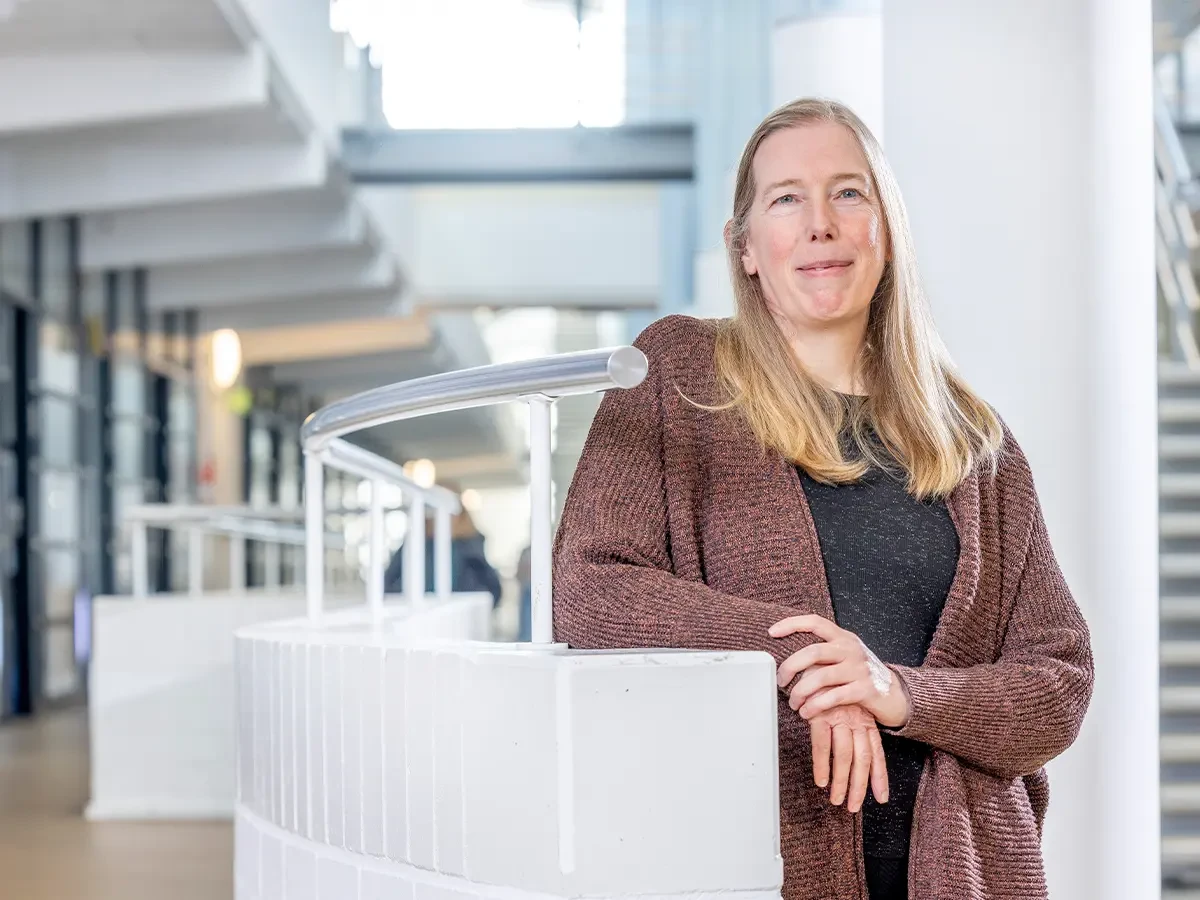
“There are several reasons,” says Peter. “First, water simply isn’t expensive enough yet to justify major investments. Historically, water in the Netherlands has been extremely cheap and available without limits. Existing plants were built on that assumption, which is why, for example, they have only one water distribution system. A second reason is that most companies see water as something they need to operate. It’s outside their core business.”
Martijntje: “A third reason is that when you use less water and also reuse it, the wastewater stream becomes more concentrated. Right now, wastewater treatment operators aren’t equipped to handle those highly concentrated streams effectively. That’s why it’s so important for the different parties to work together on solutions that work across the water system. Otherwise, making water use circular will be very difficult.”
Peter: “Dutch laws and regulations also slow the adoption of innovative water solutions because they don’t clearly spell out what’s permitted in the food industry. For instance, water must be of drinking water quality whenever it comes into direct contact with the food product. But what exactly counts as ‘drinking water quality’ isn’t clearly defined. There’s also considerable uncertainty about the standards for water reuse and underground water storage.”
Martijntje: “What’s clear is that ‘drinking water’ is either water you buy from a drinking water utility or water you source yourself and can demonstrate is of drinking water quality using the HACCP approach. The company is responsible for managing that risk.”
“Say you treat water in your own system using reverse osmosis and activated carbon filtration and then feed it back into the plant,” Peter says. “You have to make clear what risks that water might pose. How do you mitigate those risks? What monitoring do you need? What will you measure? How will you validate it? As long as you can clearly explain to the NVWA what you’re doing, these steps shouldn’t pose major difficulties. But things get complicated if you take effluent, or wastewater, leaving the plant, treat it to drinking water quality, and bring it back in. You have to show that the water is free of bacteria and fungi and that it no longer contains any ‘substances of very high concern.”
“Think of substances such as pesticides, PFAS, and pharmaceutical residues. Accurately measuring and removing them is particularly difficult,” Martijntje adds. “What makes it so difficult is that the food company bears all the risk.”
“Belgium has a clearer framework for this,” says Peter. “To get companies on board, we need that same clarity in the Netherlands. Perhaps the NVWA could look at what our neighbors are doing. How do they monitor water quality? How do they conduct audits? What can we take from their approach and apply here?”
Peter: “We framed it that way deliberately. Setting out exactly what we want to achieve makes it clear where the obstacles are. We need to change the system.”
Martijntje: “To actually reach that goal, the stakeholders need to sit down together soon. We’re calling for closer collaboration among regional water authorities, drinking water utilities, the NVWA and the government, food producers, wastewater treatment operators, and research institutions so we can agree on a way forward.”
Peter: “I think everyone is willing. That’s not the problem. We just need a few companies to lead the way and show that what they’re doing really works.”
“Once it’s clear that you can still make good-quality products using a lot less water, other companies will follow. I’m convinced of that,” Martijntje says in closing, with optimism. “We’ve seen the same thing happen with efforts to make energy and gas use more sustainable.”
Source: Vakblad Voedingsindustrie 2026
Magazine Voedingsindustrie has been made possible in part by:



© COPYRIGHT 2026 VOEDINGSINDUSTRIE | ALLE RECHTEN VOORBEHOUDEN
Powered by Wallbrink Crossmedia © 2026