
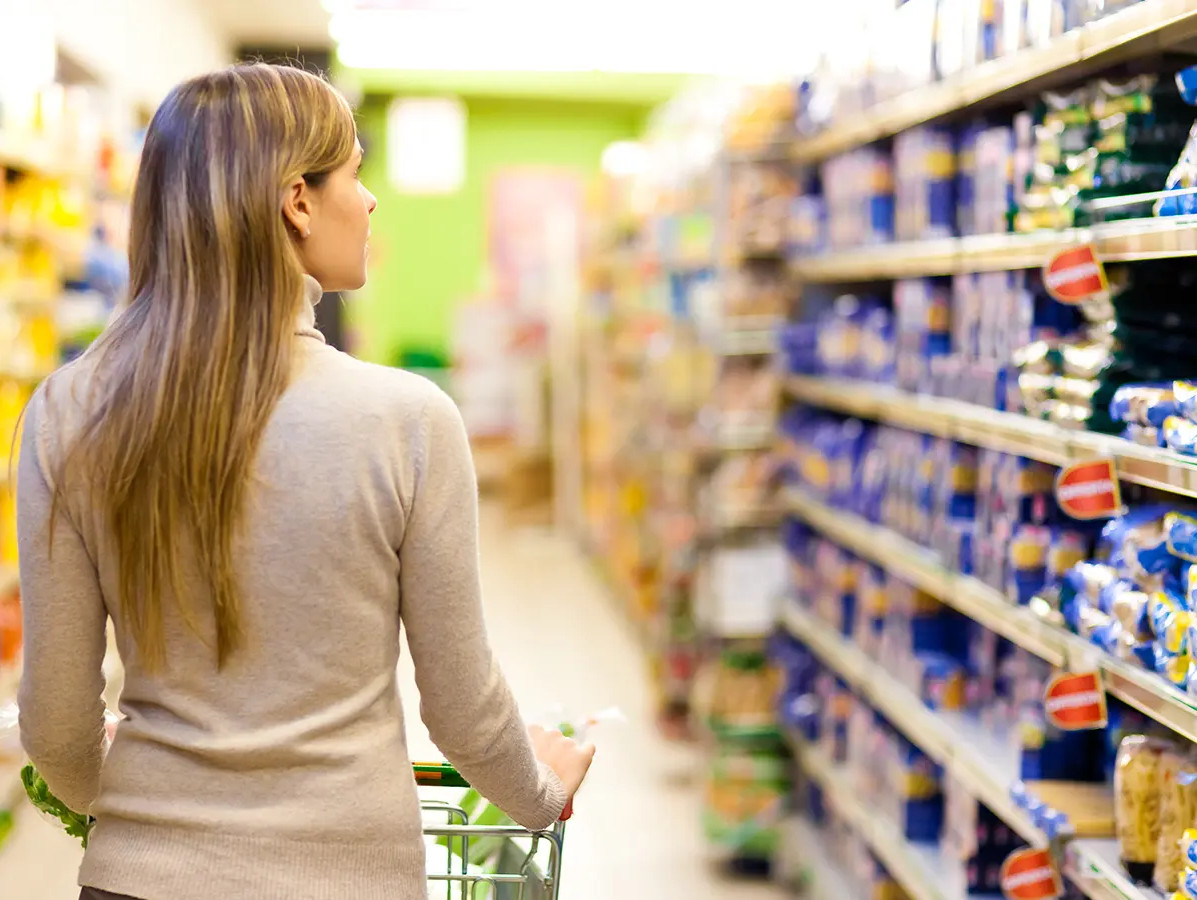
Supermarket prices have risen sharply in recent years. Branded products in particular have increased more steeply than private labels. The difference between the two now stands at almost 40 percent. Supermarkets see an opportunity here: an additional price point above the private label, but below the A-brand. This creates new possibilities for private label manufacturers and B-brand suppliers.
Since early 2022, grocery prices have risen by an average of 33 percent. For branded items, the increase was 31 percent, while private labels rose by a more modest 20 percent. That very difference has made private labels more attractive. Research agency NIQ calculates that they have gained 2.3 percentage points of market share since then.
The gap is not the same everywhere. For canned fish or olive oil, it stays below 20 percent, while in beer and energy drinks it can reach as high as 70 percent. For consumers, the actual amount at the checkout is what counts. The higher that number, the quicker psychological price barriers are crossed.
For A-brands, this widening gap is a serious challenge. They have little influence over the final shelf price, which is determined by the supermarket. Manufacturers try to defend their position with promotions, larger pack sizes, shrinkflation, or new products. But the fundamental difference in price continues to work against them.
Supermarkets themselves are dealing with rising costs for staff, energy, and transport. The larger price gap gives them room to improve margins. Hence the idea of a new price point: for consumers who want more than a basic private label, but find A-brands too expensive.
For private label producers, this could be attractive: offering premium variants with higher margins and a stronger relationship with the retailer. Where volumes in a category are too small, B-brands can step in. This gives them the chance to increase visibility and potentially gain access to new markets.
Source: Rabobank
Magazine Voedingsindustrie has been made possible in part by:



© COPYRIGHT 2026 VOEDINGSINDUSTRIE | ALLE RECHTEN VOORBEHOUDEN
Powered by Wallbrink Crossmedia © 2026