
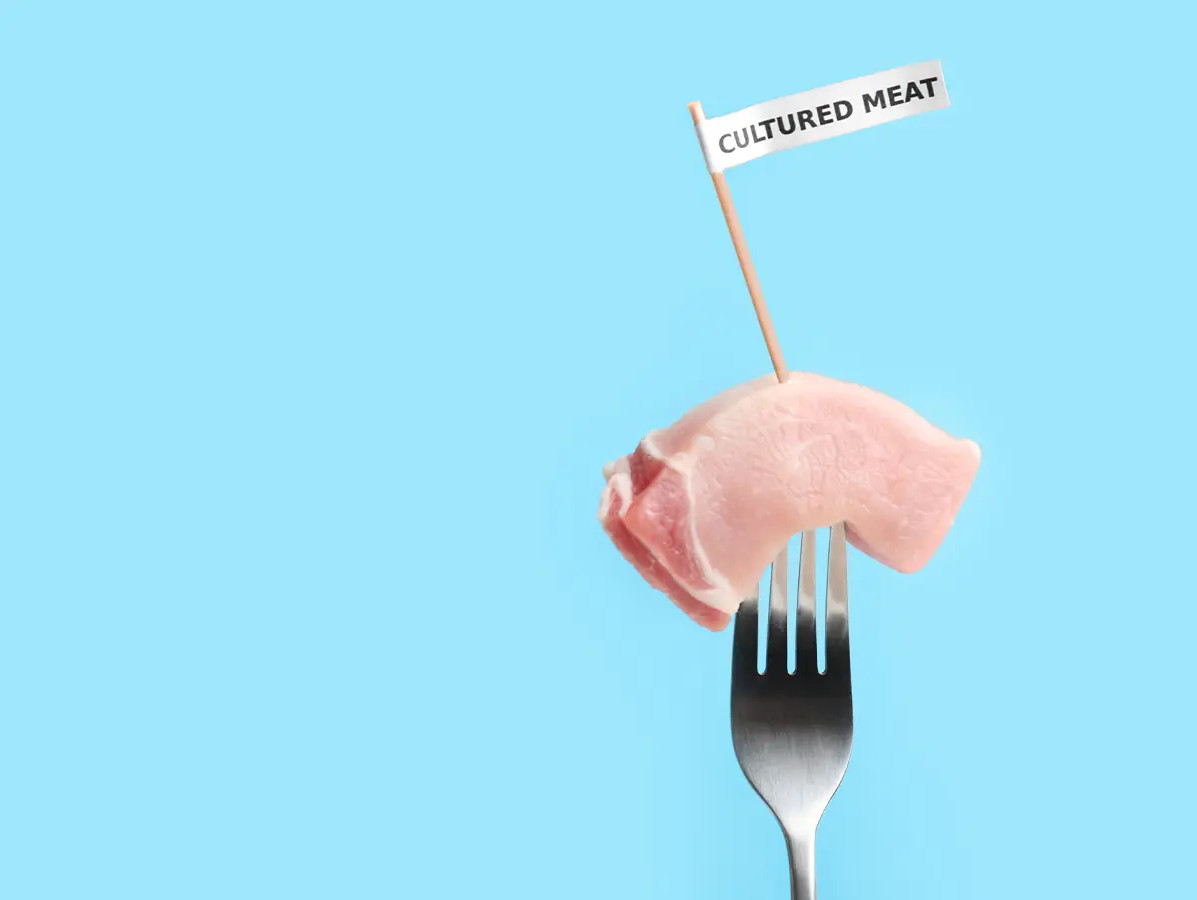
Cultivated meat is seen as a potential link in the protein transition. Researchers, start-ups, and agricultural entrepreneurs are working on applications that could eventually become part of the food chain. Interest is growing due to rising demand for protein and the search for more sustainable production methods. At the same time, the sector still needs to address questions surrounding costs, regulation, and consumer acceptance.
At Wageningen University & Research, work is underway on producing cultivated meat from muscle cells taken from cattle, pigs, and fish, among others. The cells grow in a medium containing amino acids, sugars, water, and minerals. Within a week, this process can produce a small quantity of meat cells.
A similar bioreactor is now operating on a dairy farm in Schipluiden. There, the CRAFT consortium is investigating whether cultivated meat can be produced directly on the farm. RespectFarms, Wageningen University & Research, Mosa Meat, and Kipster are among the organizations involved in the project. The initiators are examining whether cultivated meat can contribute to a broader business model for farmers.
Interest in cultivated meat is linked to the growing demand for protein. Worldwide, meat consumption increases by approximately 3 percent each year. According to researchers, cultivated meat could offer advantages because it requires less land and does not produce manure. Costs, however, remain a significant challenge. The first cultivated meat burger cost around €250,000 in 2013. Since then, the price has fallen to approximately €50 per kilogram. Further cost reductions will be necessary before wider adoption becomes feasible.
Market approval also takes time. Cultivated meat has already been approved in several countries outside Europe, but assessment procedures within the European Union are still ongoing.
Researchers also see opportunities for products that combine cultivated fat cells with plant-based ingredients. According to Professor René Wijffels, such products could deliver more flavor and juiciness than existing plant-based alternatives.
Those involved expect it will take another five to ten years before cultivated meat is approved in the European Union and becomes available in supermarket refrigerated sections. Taste, price, and availability are considered key factors in gaining consumer acceptance.
Source: Wageningen University & Research
Magazine Voedingsindustrie has been made possible in part by:



© COPYRIGHT 2026 VOEDINGSINDUSTRIE | ALLE RECHTEN VOORBEHOUDEN
Powered by Wallbrink Crossmedia © 2026