
The environmental impact of food consumption in Europe is substantial and remains largely outside current tax policy. While climate, water use, and biodiversity are under pressure, meat and other food products still benefit from favorable tax treatment in many countries. A new study in Nature Food analyzes what happens when that changes, and what it means for consumption, the environment, and households.
Food accounts for nearly a quarter of greenhouse gas emissions from EU households. The impact on other environmental themes is even greater. More than half of land use, biodiversity loss, and phosphorus emissions are linked to food consumption, as is well over two-thirds of the water and nitrogen footprint. The analysis is based on an international input–output model and uses data from 2019. Environmental effects outside the EU are also included through global trade chains.
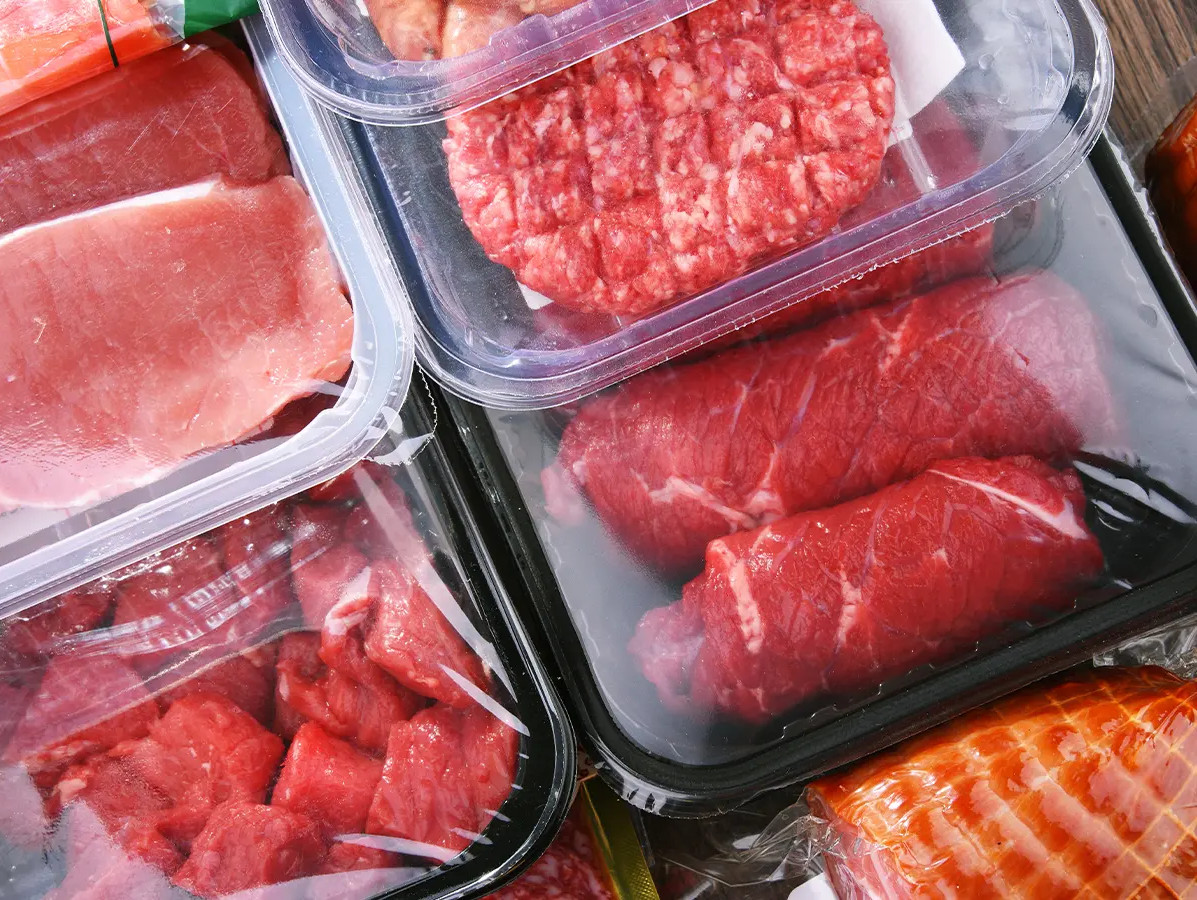
In 22 of the 27 EU countries, meat products are subject to a reduced VAT rate. Removing this tax benefit leads to an average price increase of 10.6 percent for meat. As a result, demand for beef, pork, and poultry falls by an average of 8 to 11 percent. According to the study, this leads to a reduction in food-related greenhouse gas emissions of 3.5 to 5.7 percent. Land use, water consumption, biodiversity loss, and nitrogen and phosphorus emissions also decline. Price and income effects additionally change sales volumes in other food categories.
The researchers compare this scenario with a uniform CO₂ price applied to all food products. A rate of approximately €52 per ton of CO₂ equivalent delivers the same reduction in greenhouse gas emissions as the VAT measure. This approach results in additional reductions in water use, land use, and nutrient emissions. Because all product groups are affected, overall consumption patterns shift more strongly. Average household costs are higher than under the VAT measure, but additional tax revenues largely offset these costs, provided they are redistributed.
Source: Nature Food
Magazine Voedingsindustrie has been made possible in part by:



© COPYRIGHT 2026 VOEDINGSINDUSTRIE | ALLE RECHTEN VOORBEHOUDEN
Powered by Wallbrink Crossmedia © 2026