Over the past few months, I’ve had many conversations with food producers across a range of sectors, including meat, fresh produce, convenience foods, and ingredients. I often ask the same questions: what are your biggest challenges right now, and which issues are your top priorities?
Of course, familiar themes keep coming up. Staffing remains a challenge. Energy consumption is high on the agenda. Retaining knowledge, automation, digitalization, and food safety are also almost always mentioned. But something else stands out to me, perhaps even more.
Almost every producer says they are overwhelmed by information.
One person I spoke with put it well. Every day, his inbox fills up with messages from suppliers who all claim to have a solution. There are so many options. But where do you start? And more importantly, what actually works in practice?
Technology is advancing rapidly. New software, smart sensors, AI applications, and automation solutions are emerging in quick succession. For almost every challenge, there are multiple suppliers who say they can help.
And that is precisely what can make things difficult.
It’s not because companies are reluctant to invest or innovate. Quite the opposite. There is a strong willingness to improve. But how do you determine which solution truly fits your situation? Which technology delivers real results? And which investment actually pays for itself?
That’s why, in many of these conversations, I notice a growing demand for firsthand accounts. Food producers want to hear how other food producers have tackled specific challenges. What choices they made. What worked well, but also what proved less successful.
Perhaps that is why sharing knowledge remains so valuable. Not because anyone has all the answers, but because other companies often face the same challenges. What works for a fresh produce company may be surprisingly relevant to a meat processor. And a solution from the ingredients industry may turn out to work in a completely different setting.
Today’s major challenges still call for innovation. But continuing to share the knowledge and experience we gain along the way is at least as important. Perhaps that also explains the appeal of real-world stories from food producers: they show what actually works.
That’s why we are giving particular prominence to case studies presented by food producers themselves at Food Tech Event 2027. The aim is to go beyond theory and show the choices they made, the challenges they encountered along the way, and the results they ultimately achieved. That practical experience helps other companies make faster, better-informed decisions.
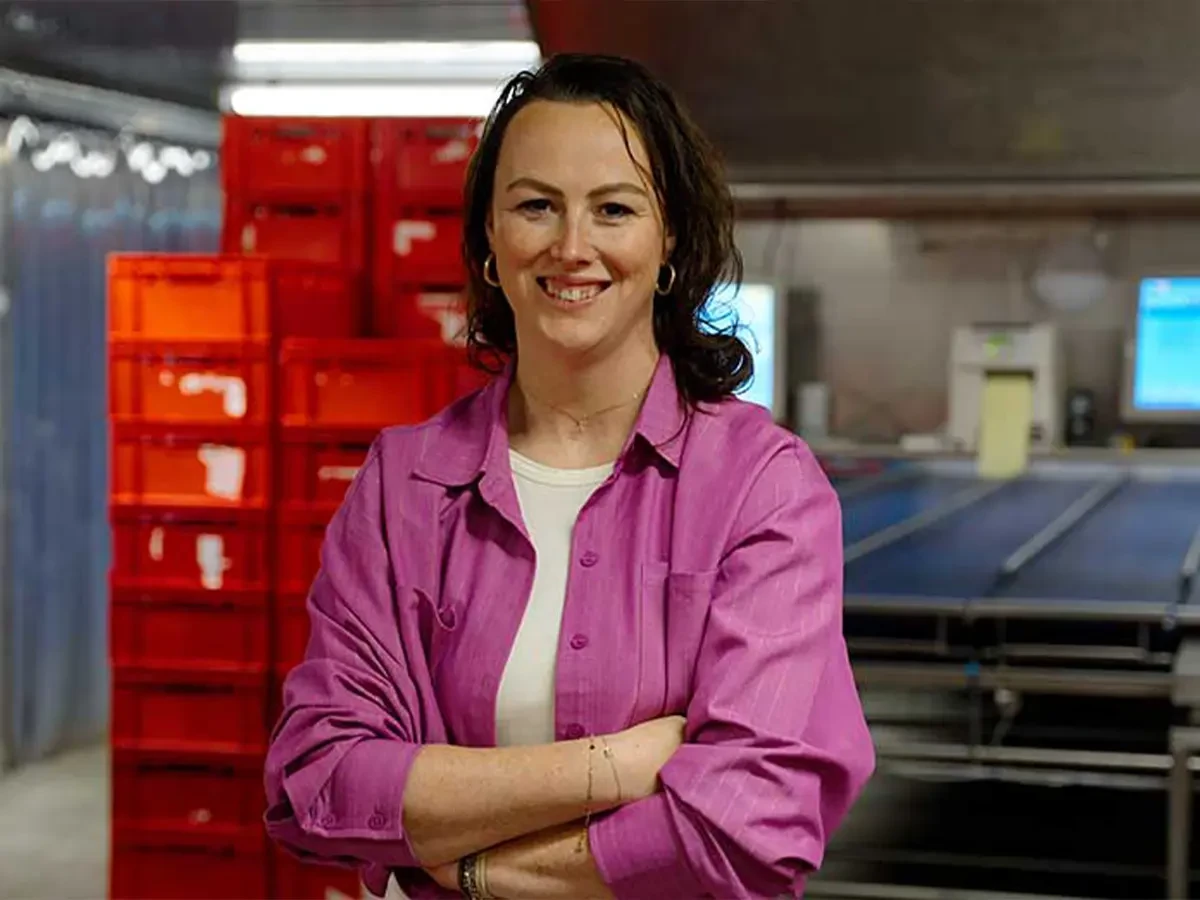
Judith van den Nieuwenhuijzen
Manager Food Tech Event
Source: Mikrocentrum
Magazine Voedingsindustrie has been made possible in part by:



© COPYRIGHT 2026 VOEDINGSINDUSTRIE | ALLE RECHTEN VOORBEHOUDEN
Powered by Wallbrink Crossmedia © 2026