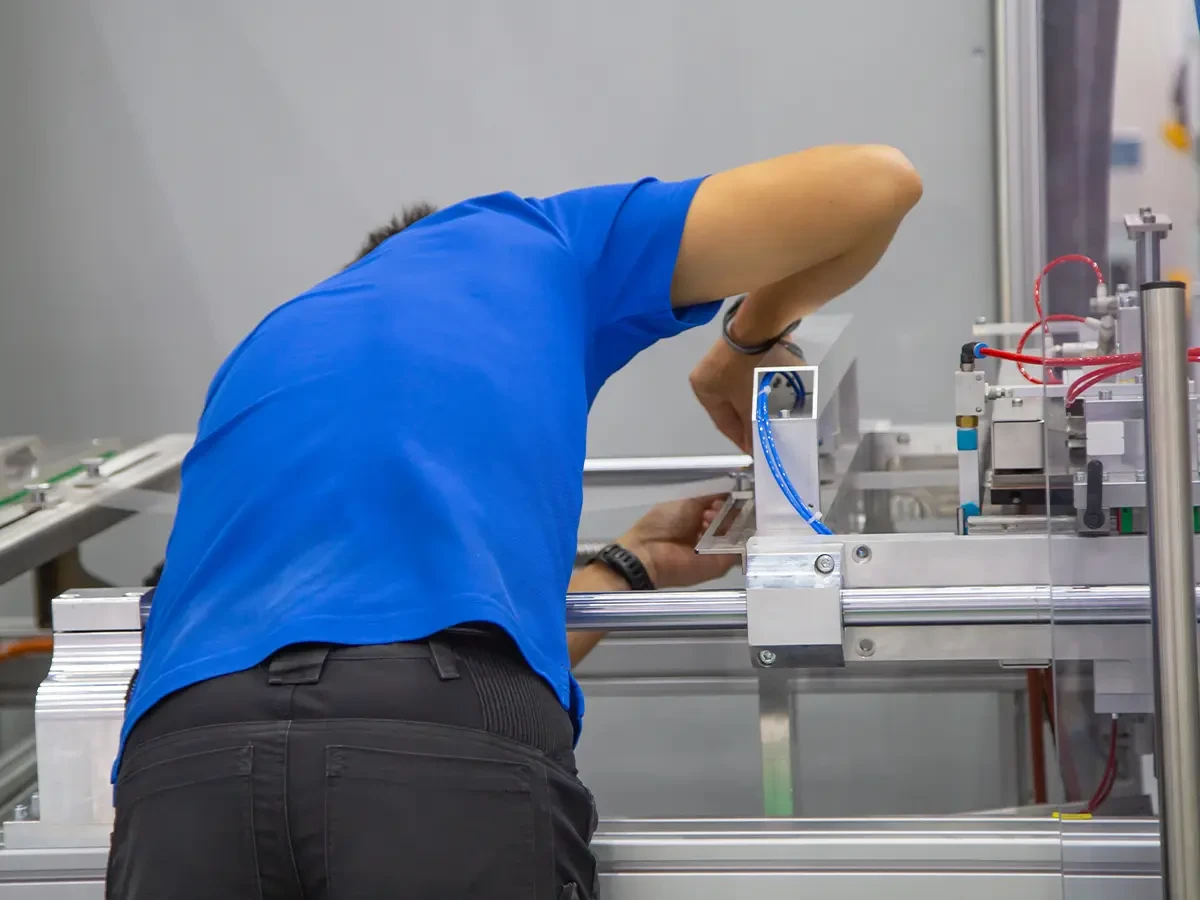
 Vanaf 20 januari 2027 wordt de Machineverordening van kracht. Er is al veel geschreven over de gevolgen van deze wet voor machinefabrikanten, maar wat betekent dit voor foodproducenten? In veel fabrieken worden machines tijdens hun levensduur aangepast. Bij ingrijpende aanpassingen aan de machine, kun jij straks als foodproducent worden aangemerkt als fabrikant van die machine. Dát heeft juridische én praktische gevolgen.
De nieuwe verordening geldt voor iedereen die met machines werkt of er beslissingen over neemt; dus óók voor gebruikers. Foodproducenten zijn verplicht veilige machines aan te bieden aan hun personeel. De afgelopen decennia zijn industrieën naast hun fysieke producten ook steeds meer data gaan produceren. Machines worden steeds slimmer: sensoren, software en IoT zijn inmiddels wezenlijke onderdelen van productie- en verpakkingslijnen in de voedselverwerkende industrie. De oude Machinerichtlijn (een wetgeving die al sinds 2006 de machineveiligheid regelt) voldeed niet meer. Regels over AI-gestuurde veiligheidsfuncties, cybersecurity, digitale instructies en hogere-risico-machines zijn in de nieuwe Machineverordening veel explicieter meegenomen, dan in de oude richtlijn.
Dat we van een richtlijn naar een verordening gaan, heeft juridische én praktische consequenties. Een richtlijn geeft elk EU-land de ruimte om zelf te bepalen hoe het de regels omzet in nationale wetgeving. Dat zorgt automatisch voor verschillen in interpretatie en onduidelijkheden over waar verantwoordelijkheden liggen. Met deze verordening is dat hopelijk verleden tijd. De wet wordt rechtsreeks in alle lidstaten tegelijk geïmplementeerd. Zo ontstaat er in heel Europa in één klap meer eenduidigheid.
Nieuw in de Machineverordening is het gebruik van de term ‘substantiële’ wijziging’. Een verandering wordt wettelijk aangemerkt als substantieel als dit (1) een fysieke of digitale verandering aan een machine betreft die niet door de fabrikant is voorzien of gepland, én (2) waardoor er een nieuw gevaar ontstaat of een bestaand risico wordt vergroot, en/of er nieuwe beschermingsmaatregelen nodig zijn waarvoor de machine ingrijpend moet worden aangepast (of de bestaande veiligheidsfuncties niet meer toereikend zijn).
Dit klinkt nogal ambtelijk. Om helderheid te verschaffen in deze toch wel complexe materie, heeft de Arbeidsinspectie een werkinstructie opgesteld. Daarin staat dat, om te bepalen of een wijziging al dan niet ingrijpend is, degene die hem uitvoert een nieuwe risicobeoordeling moet uitvoeren.
De risicobeoordeling moet inzichtelijk maken op welke essentiële veiligheids- en gezondheidseisen (EVE) de wijziging invloed heeft en welke nieuwe risico’s die met zich meebrengt. Dit is écht belangrijk! Als er na een wijziging geen risicobeoordeling kan worden getoond, kan de toezichthouder niet toetsen of een (gewijzigde) machine voldoet aan de Machineverordening. Concludeert de wijziger dat de wijziging niet ingrijpend is, dan krijgt hij geen fabrikantsverplichtingen. Blijkt echter achteraf, bijvoorbeeld bij een inspectie of incident, dat de conclusie van de wijziger onjuist is (en er dus wél sprake is van een ingrijpende wijziging) dan zal er opgetreden worden bij de wijziger conform het handhavingsbeleid van de Arbeidsinspectie.
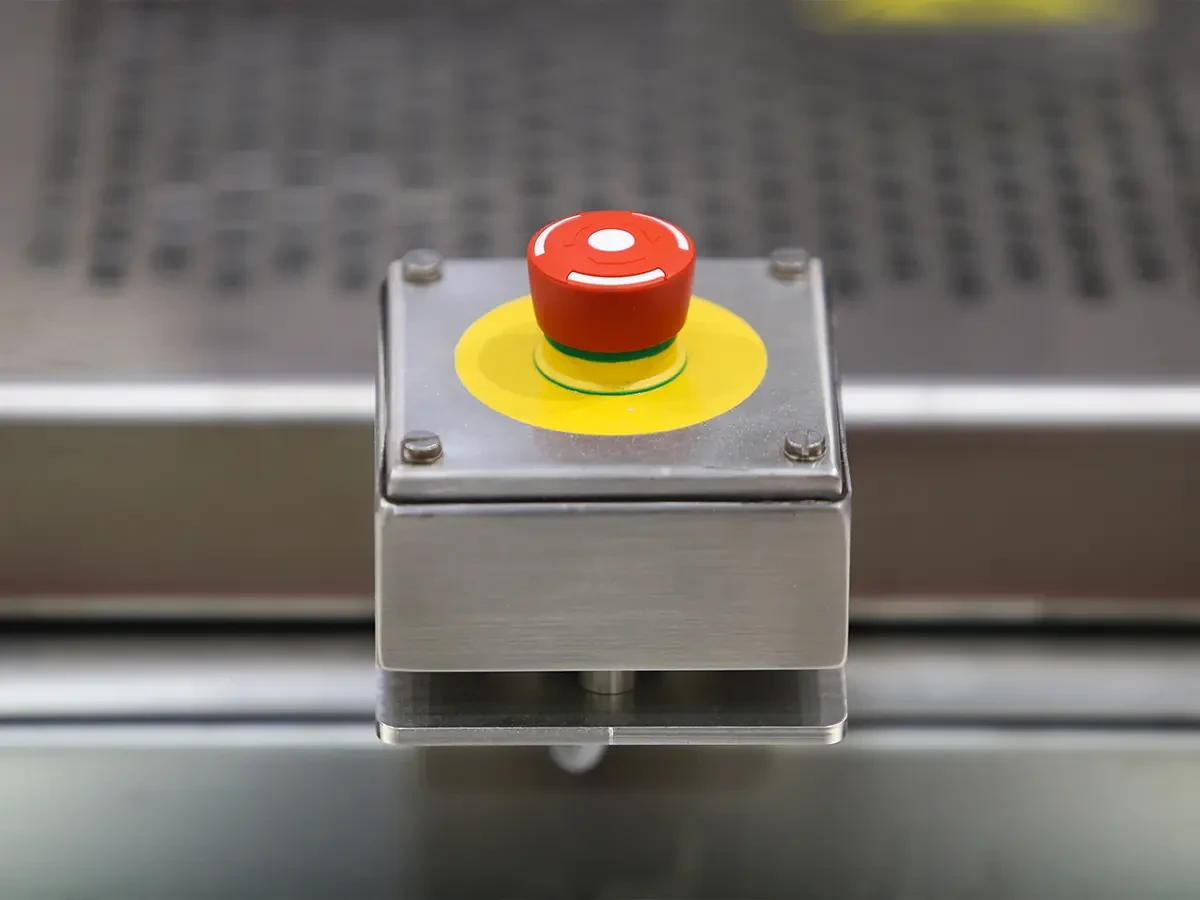
Hans van der Steen, business manager at Hygienic Design Network (HDN), gives a few examples. “Say an employee changes the software by installing an additional emergency stop that connects to a programmable safety controller and requires changes to the programming. That is considered a substantial modification. If a clean-in-place (CIP) program, temperature limit, or detection logic can be changed without proper controls, that can affect operator safety and food safety as well as cybersecurity. In food processing, this requirement affects changes to areas such as recipe management, cleaning programs, access levels, logging, remote service, and software updates. Does a modification create a new hygiene risk? Does it change how people access the machine for cleaning or maintenance, including digital access? The employee making the change could then legally be considered the new manufacturer of the machine. As a food producer, your best option is to work with the original machine designer and builder and have them carry out the modification. That way, you won’t be considered the machine’s new manufacturer. The machine manufacturer, rather than the food producer, must then carry out a new full conformity assessment and affix a new CE marking.”
Machines placed on the market before January 20, 2027, in accordance with the rules in effect at the time may remain in use. You won’t suddenly have to modify or recertify them. But what if you, as a food producer or machine manufacturer, make a substantial modification that significantly changes how the machine operates, how safe it is, or how it performs? The machine may then be considered “new” under the law and must comply with the new Machinery Regulation.
Annex III of the Machinery Regulation sets out the essential health and safety requirements that underpin the machine manufacturer’s design, risk assessment, and eventual CE marking. “Use that annex as a checklist if you’re a food producer planning to modify a machine,” Hans urges. “The different departments in the company also have an important role to play together,” he adds. “QA assesses the food safety risk, Engineering evaluates the technical measure, Operations checks whether it will work in practice, and IT/OT assesses digital vulnerabilities,” he says. “If any of those teams is left out when a machine is modified or updated, things can get missed. The impact on hygiene may only become apparent weeks later through unusual swab results, recurring buildup, unexplained downtime, or unexpected cleaning results.”
Like the old directive, the regulation explicitly requires food processing machinery to be designed to prevent the risk of infection, illness, or contamination. That means familiar design features and practices like smooth surfaces, avoiding crevices and cavities, making equipment easy to clean and disinfect, allowing liquids to drain, and providing clear instructions for cleaning, disinfection, and rinsing. The new regulation makes these requirements stricter. “The Machinery Regulation makes it clearer that you have to be able to show that safety is maintained throughout the machine’s entire life cycle,” says Hans. “For the builder, that means documenting more clearly what the machine is intended to do, the limits within which it can be used safely, and which risks have been reduced, among other things. The user needs to specify more clearly what the machine must do in their process, where it will operate, how it will be cleaned, and which modifications will be acceptable later on. If you want to produce food safely, you need to be much more specific about the intended use, the operating environment, the cleaning method, and the remaining risks. Instructions may be provided digitally under certain conditions.”
Hans understands why many companies see the regulation as yet another layer of rules. “But I see it differently,” he says. “For the food industry, this regulation is an opportunity to strengthen the technical safeguards that protect food safety. Better handoffs, better design choices, and more discipline when making changes will do more for food safety than extra paperwork. When builders clearly define their design limits, they help users. When users clearly specify their process, cleaning methods, and operating environment, they help builders. Both sides help protect consumers when they eliminate hygiene risks at the drawing board, before those risks show up in production.”
“A machine in the food industry is never just a machine,” he concludes. “It’s a piece of production equipment, a safety risk, something you have to clean, a hub for data, and a choice with sustainability implications for the next ten to twenty years. That deserves careful consideration.”
Link to the Machinery Regulation
Link to the Dutch Labour Authority guidance
Source: Vakblad Voedingsindustrie 2026
Magazine Voedingsindustrie has been made possible in part by:



© COPYRIGHT 2026 VOEDINGSINDUSTRIE | ALLE RECHTEN VOORBEHOUDEN
Powered by Wallbrink Crossmedia © 2026