
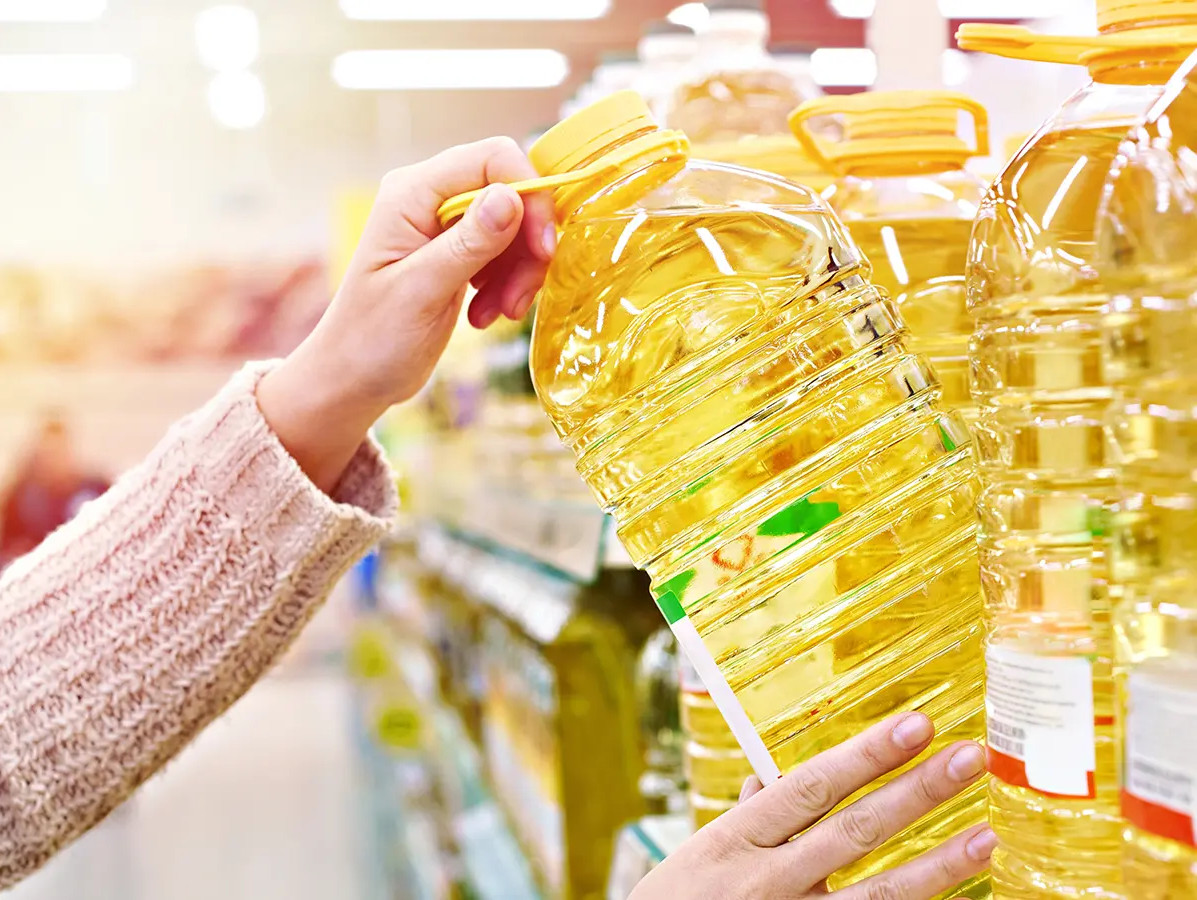
New national taxes on plastic packaging could slow investments in circularity. Verpact says this in response to a report by CE Delft. The organization fears that additional taxes will reduce investments in recycling and the use of recycled content. According to Verpact, producers need predictable policies that align with European regulations.
CE Delft examined the effects of a tax on plastic packaging and a levy on the collection of plastic beverage bottles and metal cans. These measures are being considered as possible alternatives to the previously scrapped plastic tax.
Verpact points out that producers are already investing in recycled content, waste reduction, and collection through the Extended Producer Responsibility (EPR) system. This includes differentiated fees, the Deltaplan Circulaire plastics, and targeted investments in collection, recycling, and the use of recycled content. According to the organization, 88% of all packaging is now reused and recycled.
Verpact is calling on the government to adopt predictable policies that stimulate demand for recycled content and align with European solutions. "Practice what you preach: no national add-ons to European regulations!"
According to Verpact, additional taxes reduce the scope for further investment in recycling capacity, circular raw materials, and the use of recycled content. At the same time, the CE Delft report shows that expected tax revenues decline as circularity targets come closer to being achieved. According to the report, this creates a tension between circularity goals and fiscal objectives.
CE Delft also highlights the importance of stable and predictable policies. The report refers to the former Dutch packaging tax. At the time, uncertainty about tax rates and policy continuity caused companies to postpone investments.
Verpact believes there is greater value in pricing measures at the end of the value chain. The organization points to a stricter CO₂ tax on waste incineration facilities. According to Verpact, this measure directly targets actual CO₂ emissions. It also encourages higher-value waste processing, allowing the circular economy to benefit. Such a measure could already be introduced as early as 2027.
CE Delft also expects tax revenues to be much lower than previously estimated by the Werkgroep Afvalbeheer. This applies to both a tax on plastic packaging and a collection levy on plastic beverage bottles and metal cans. For both measures, expected revenues in 2030 are projected to be significantly lower than previously anticipated.
Source: Verpact
Magazine Voedingsindustrie has been made possible in part by:



© COPYRIGHT 2026 VOEDINGSINDUSTRIE | ALLE RECHTEN VOORBEHOUDEN
Powered by Wallbrink Crossmedia © 2026