
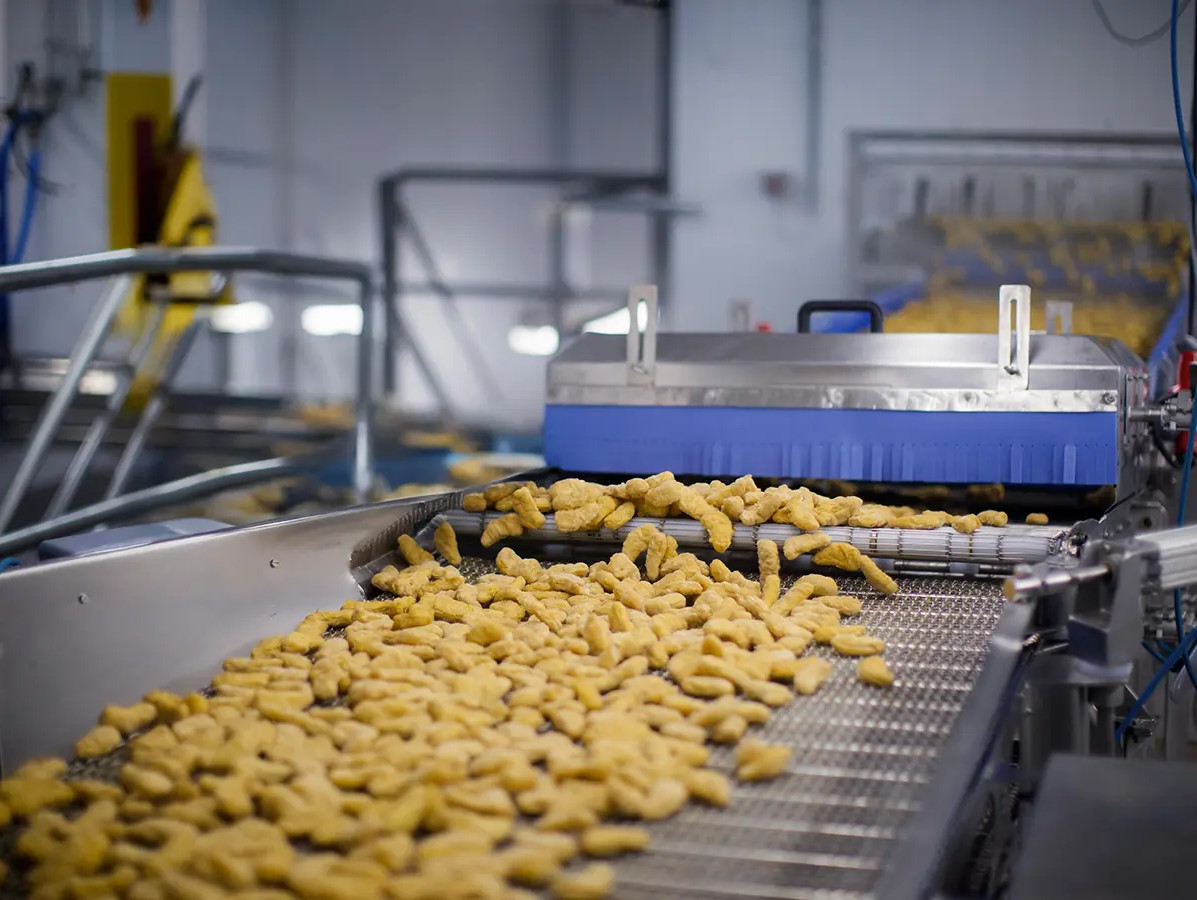
The food chain has weathered several major shocks in recent years. From the COVID-19 pandemic to the war in Ukraine and the wave of inflation, the sector has remained resilient. According to an analysis by three experts, pressure is continuing to build. Rising costs, geopolitical tensions, and raw material shortages are forcing manufacturers, retailers, and foodservice companies to make different choices.
Food manufacturers are facing rising costs and increasingly complex international supply chains. At the same time, sales volume growth in Northwestern Europe remains limited due to slow population growth. According to the analysis, future revenue growth and margin improvements will mainly come from higher value-added products.
Scenario planning and the early prediction of disruptions using AI can help. Reducing operational complexity within companies is also receiving more attention. Research by EFMI Business School and Capgemini in 2025 shows that streamlining product assortments can lead to productivity gains of around 10 percent. Larger production runs and more efficient logistics also improve supply reliability.
According to the analysis, manufacturers, retailers, and foodservice companies can only respond effectively to changing consumer needs by working together. Collaboration on convenience, innovation, and sustainability plays an important role. At the same time, negotiations between manufacturers and retailers are increasingly focused on achieving the lowest price, according to the authors.
For supermarkets, this also means strengthening resilience. According to the analysis, this requires shared responsibility for soil and water quality, both in the Netherlands and abroad. Offering a product assortment that supports biodiversity and healthy ecosystems is also part of that approach.
Foodservice companies are dealing with labor shortages, rising energy and purchasing costs, and fluctuating customer demand. According to the analysis, greater resilience comes from making smarter use of time, space, and data. Simpler processes, closer collaboration with suppliers, and the use of technology can all contribute to a more flexible business model.
Source: ABN AMRO
Magazine Voedingsindustrie has been made possible in part by:



© COPYRIGHT 2026 VOEDINGSINDUSTRIE | ALLE RECHTEN VOORBEHOUDEN
Powered by Wallbrink Crossmedia © 2026