
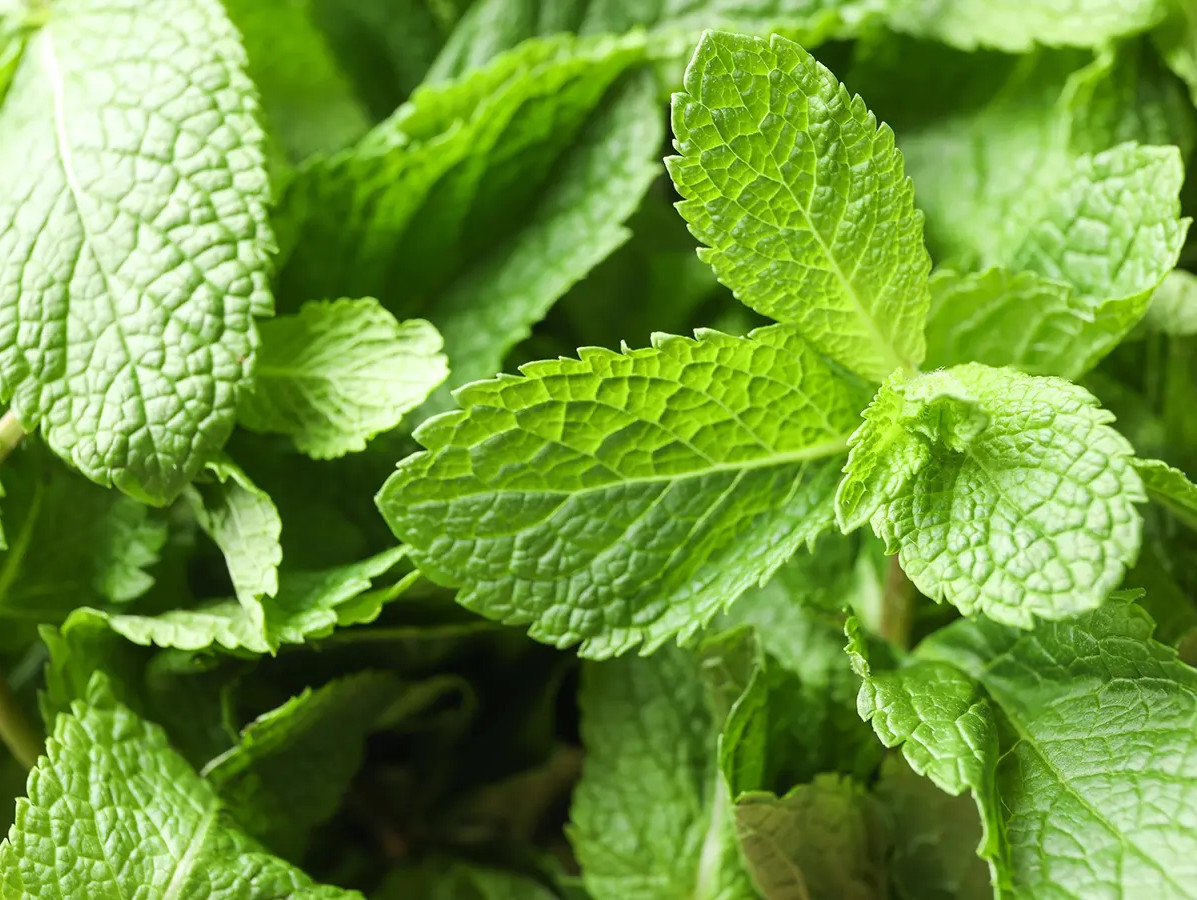
Menthol and citral are two well-known examples of terpenoids. Nature contains many more terpenoids and related compounds. Which of them might have potential as new flavor or fragrance ingredients? Wageningen University & Research (WUR) is investigating this through TERRAPATH. The team is also assessing whether yeast can produce promising compounds. The project is receiving funding through NWO's KIC Biochemical Diversity call.
Genetic and chemical data point to considerable natural diversity. The researchers are mapping terpenoids and related compounds. They use AI and other methods to predict which compounds may be of interest. They are also looking for genes involved in producing those compounds. Those genes are then inserted into yeast. This allows them to test whether yeast can actually produce the predicted compounds.
The researchers are assessing whether production using yeast is feasible at a larger scale. They also consider regulatory issues and economic viability. For some compounds, yeast could offer a more sustainable alternative. Flavor and fragrance compounds can also be made synthetically or obtained through extraction. The research will determine whether production using yeast is more sustainable.
Justin van der Hooft of WUR's Bioinformatics Group coordinates TERRAPATH. Delft University of Technology is an academic partner. DSM-firmenich and DAB.bio are the industry partners. Seven public-private partnerships are receiving funding under this NWO call. WUR is involved in four of those projects.
Source: Wageningen University & Research
Magazine Voedingsindustrie has been made possible in part by:



© COPYRIGHT 2026 VOEDINGSINDUSTRIE | ALLE RECHTEN VOORBEHOUDEN
Powered by Wallbrink Crossmedia © 2026





