
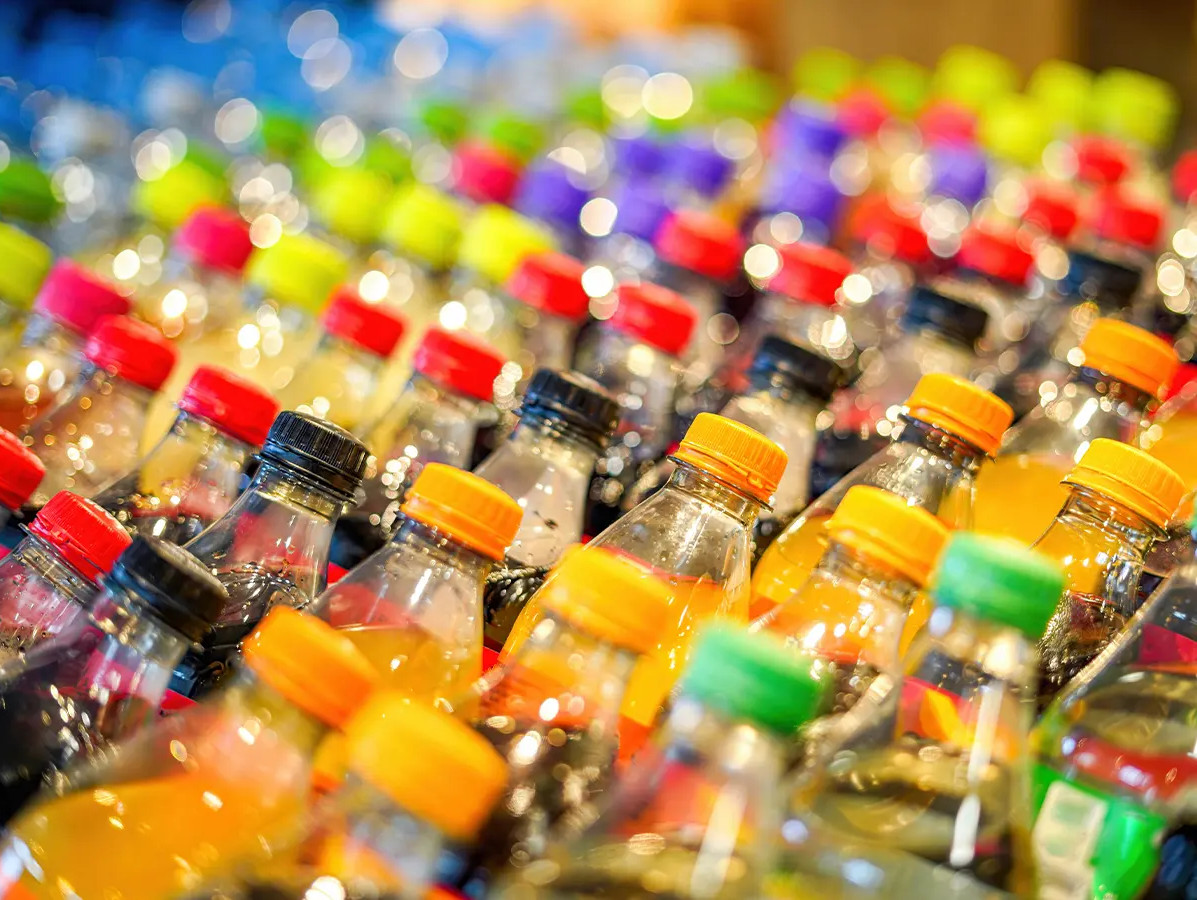
How much sugar consumers take in through beverages is once again made clear. The Dutch Food Center has published new sugar cube posters in which the sugar content of popular cartons, bottles, and cans takes center stage. At a glance, it can be seen that some beverages reach up to fourteen sugar cubes per package. At the same time, the range of variants with sweeteners is growing, but the overall supply of sugar-rich beverages remains large. This does not make choosing any easier for consumers.
The sugar content is usually not immediately recognizable on the front of packaging. Beverages often appear harmless due to color use, claims, and portion size. For example, a 200-milliliter carton or bottle of apple juice can quickly contain five sugar cubes. That is comparable to a glass of soft drink. Ready-to-drink iced coffees and sweetened dairy drinks also often contain a lot of sugar.
Claims such as “no added sugars” or “naturally sweet” do not always provide a complete picture. Sugars that are naturally present also count. In addition, statements such as “source of calcium” or “with extra vitamin C” can distract attention from the sugar content. The Dutch Food Center therefore advises reading the label on the back or scanning products with the “Do I Choose Healthy?” app. The posters are based on label information from November 2025. One sugar cube equals four grams of sugar.
In recent years, manufacturers have taken steps to reduce sugar levels. There are more and more beverages that are partly or fully sweetened with sweeteners. This is visible through designations such as “light,” “zero,” or “0% sugar.” These products often contain little or no sugar and contribute to a lower sugar intake.
Stories that sweeteners would be harmful are not correct according to the Dutch Food Center. However, the acidity in these beverages remains a point of attention. Like other variants, light drinks can also affect tooth enamel. For that reason, they are not part of the Disc of Five.
According to the Dutch Food Center, tap water remains the healthiest, cheapest, and most sustainable thirst quencher. Coffee and tea without sugar also fit within this choice. With fixed drinking moments, simple swaps, and variation within these beverages, sugar intake can be further reduced.
Source: Voedingscentrum
Magazine Voedingsindustrie has been made possible in part by:



© COPYRIGHT 2026 VOEDINGSINDUSTRIE | ALLE RECHTEN VOORBEHOUDEN
Powered by Wallbrink Crossmedia © 2026