
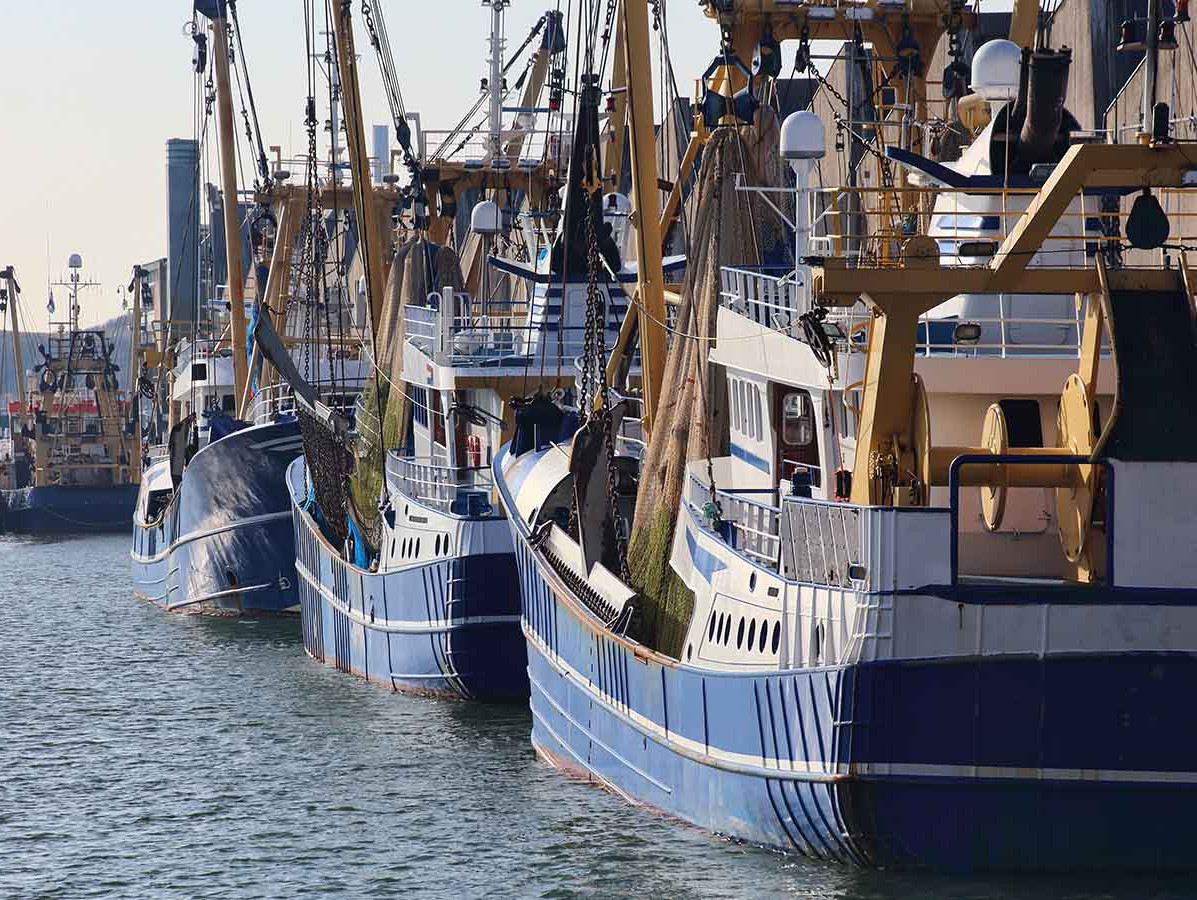
In 2024, the Dutch sea fishing sector reported a modest net profit of nearly 20 million euros. This marks a degree of recovery, particularly among cutter vessels. At the same time, the mussel sector recorded a loss of around 12 million euros. Financial room across the industry remains limited, which hampers investment in fleet renewal.
The cutter fleet ended 2024 with a positive net result of around 15 million euros. The year before, it had posted a loss of nearly 11 million. Beam trawl fishing brought in over 8 million euros in profit, shrimp fishing more than 7 million, and flyshoot fishing 1 million. Only the otter trawl fishery operated at a loss—around 1 million euros. The average age of the cutter fleet is high, meaning little depreciation is still taking place. The profit is insufficient to fund the necessary modernisation.
Total revenue for cutters rose to 206 million euros, up 16% from 2023. Shrimp fishing stood out, generating 69 million euros—an increase of 73%. Both flyshoot and otter trawl fishing saw revenue climb by 8%. Beam trawl fishing, on the other hand, dropped by 5%.
Total landings increased by 12% to 38 million kilos. Shrimp accounted for over 12 million kilos, up 65%. Meanwhile, landings of sole fell by 6% to just under 3 million kilos, and plaice by 21% to just over 6 million kilos. Compared to 2014, fish landings per horsepower-day (excluding shrimp) dropped by 33%.
The 2024/2025 mussel season closed with a 12 million euro loss, compared to a 6 million euro profit the year before. Revenue fell from 54 to 36 million euros, and landings dropped from 33 to 21 million kilos. The average price per kilo rose slightly by 5%. The number of mussel vessels decreased from 45 to 42.
Source: Wageningen University & Research
Magazine Voedingsindustrie has been made possible in part by:



© COPYRIGHT 2026 VOEDINGSINDUSTRIE | ALLE RECHTEN VOORBEHOUDEN
Powered by Wallbrink Crossmedia © 2026