From beet leaves to fish heads – in a circular food system, almost everything gets a second life. It sounds sustainable, but how safe is it really? According to new research by RIVM and Wageningen Food Safety Research (WFSR), much is going well, though risks remain at the start of the chain.
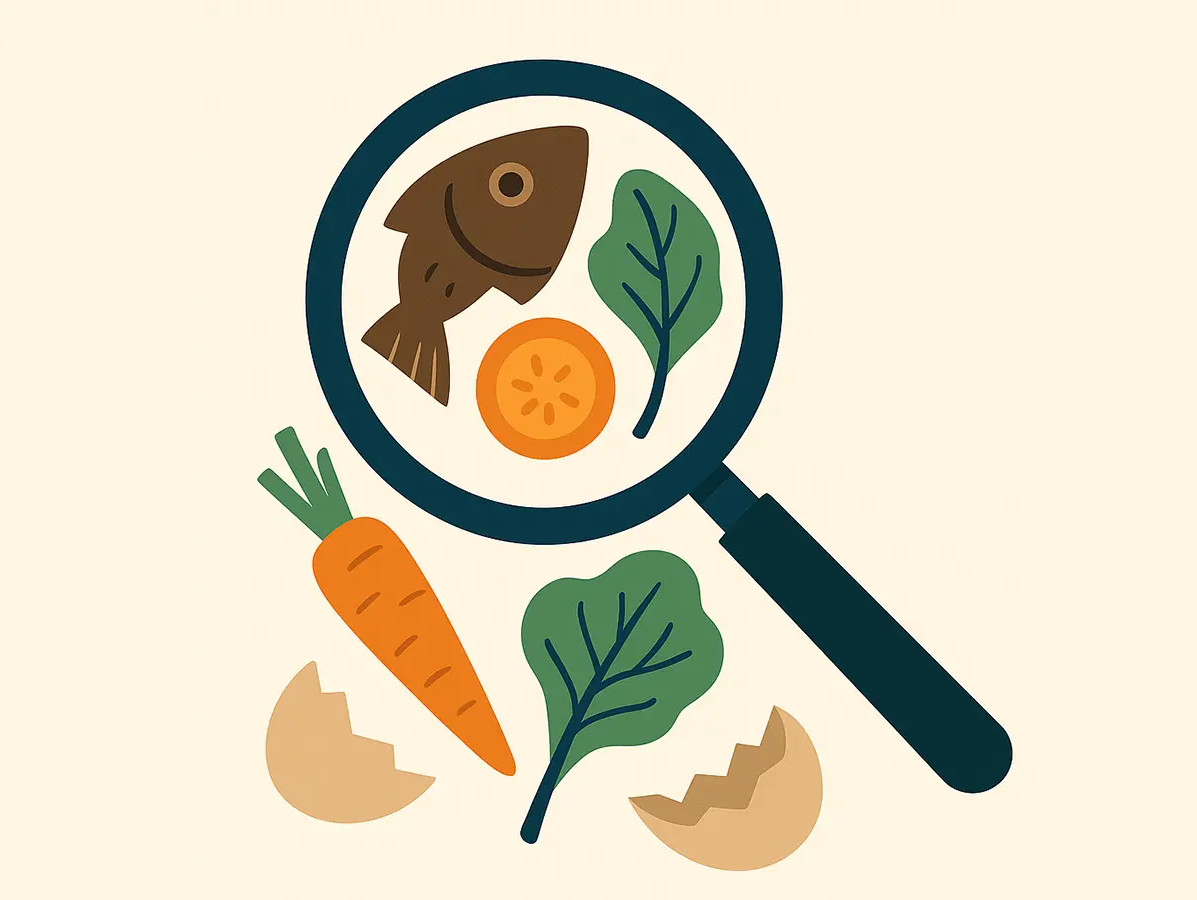
Crop leftovers, bones, fish heads or whey – all are examples of food residual streams that can be reused. This helps reduce waste and gives raw materials a second purpose. RIVM and WFSR examined which types of residues are generated during food production and consumption, and in what quantities. Until now, little was known about that. Most residual streams originate in agriculture and the food processing industry, particularly during the cultivation and processing of sugar beets.
The study shows that food residues can be safely reused, provided producers comply with food safety regulations. That is also their legal obligation. Yet the weak spot lies at the very beginning of the chain. During cultivation, fewer rules apply, and pathogens can enter residual streams through soil, manure, or water. Eventually, they may end up in food.
For that reason, RIVM advises the Netherlands Food and Consumer Product Safety Authority (NVWA) and other regulators to tighten controls at the start of the chain – especially when residues are used for food or animal feed. Clear rules are also essential for farmers and producers. Some companies are already creating new products from food residues but are not always familiar with the regulations. Without proper guidance and supervision, risks can easily be overlooked. RIVM also stresses the importance of recording and monitoring residual streams, as unregistered flows may hide potential risks.
Source: RIVM
Magazine Voedingsindustrie has been made possible in part by:



© COPYRIGHT 2026 VOEDINGSINDUSTRIE | ALLE RECHTEN VOORBEHOUDEN
Powered by Wallbrink Crossmedia © 2026