The message during the ‘Waste-Free Week’ is clear: stop throwing food away. Reducing waste for just one week in the Netherlands could save 23 million meals. Standards like the QR Code powered by GS1 can help make this possible.
Mirjam Karmiggelt (GS1) and Toine Timmermans (Samen Tegen Voedselverspilling) explain how this QR code supports smarter decisions for both consumers and businesses, leading to less waste.
Globally, around one-third of all food is wasted. In the Netherlands, that adds up to 1.6 billion kilograms each year. According to Timmermans, this is not only a financial issue. “About five percent of greenhouse gas emissions in the Netherlands come from food that’s produced but never eaten.”
The foundation aims to cut food waste in half. While consumers account for 35% of the problem, the rest of the supply chain also plays a role. Retailers and producers are on board. Karmiggelt stresses the importance of quality product data. “When you know your inventory well, you can act in time. That’s especially crucial with fresh goods.”
Real-life examples are easy to find. Large surpluses of potatoes often end up as animal feed or compost. Better data could have allowed for early action. “The tools are there—we just need to use them,” says Timmermans.
The QR Code powered by GS1 offers far more detail than a standard barcode. It can include shelf life, product origin, and batch numbers. A standardised URL—the GS1 Digital Link—connects to additional information like ingredients and production data.
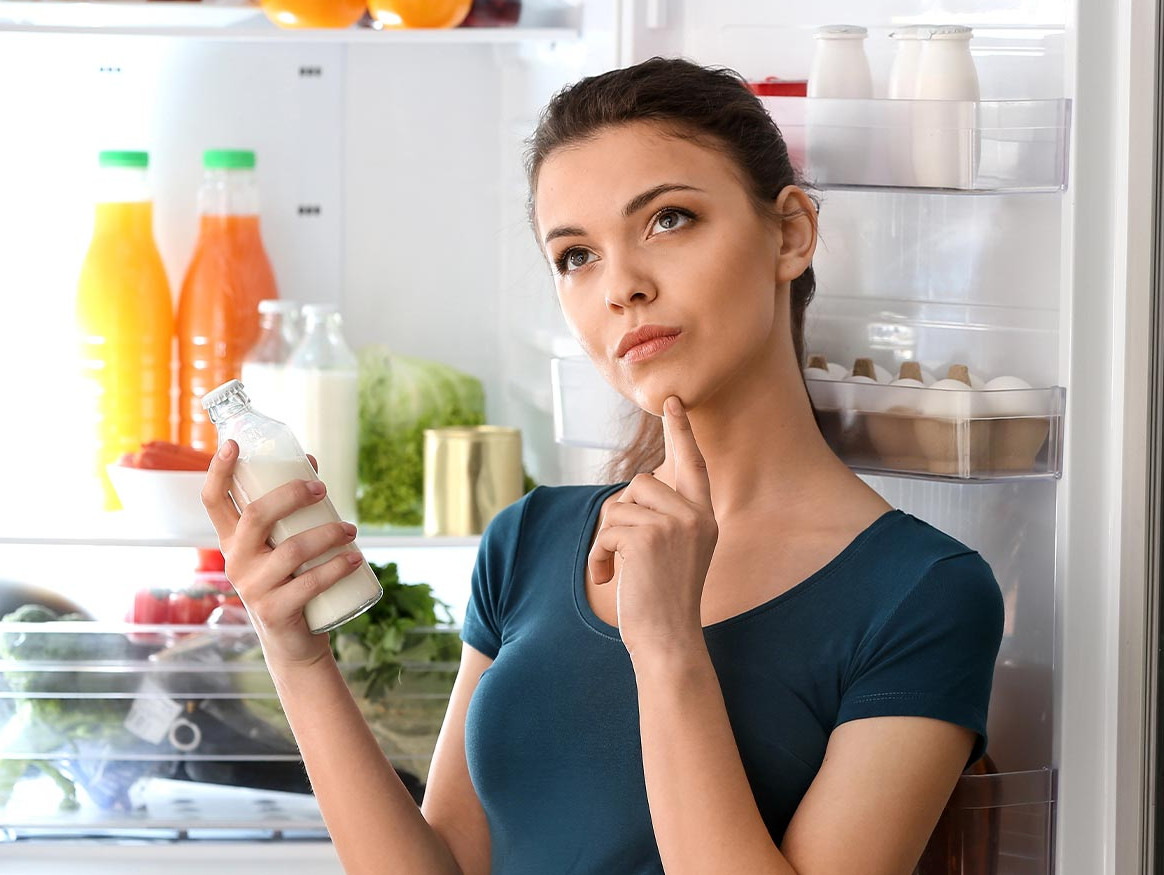
Karmiggelt explains: “It enables more precise stock management. You can mark down items at the right time or redirect them to a better destination. It’s both efficient and cost-saving.” Consumers also benefit. Scanning a product with a phone can provide useful tips, such as storage instructions or recipe suggestions based on what's in their fridge.
Retailers can use the QR code to decide if a product stays on the shelf or should be redirected. “It helps determine whether items go to food banks or are suitable for animal feed,” Timmermans adds.
Other countries have already started. Spanish supermarket chain Mercadona, for example, uses QR codes on all fresh products. The Netherlands is falling behind. The message is simple: it’s time to get started.
Source: GS1
Magazine Voedingsindustrie has been made possible in part by:



© COPYRIGHT 2026 VOEDINGSINDUSTRIE | ALLE RECHTEN VOORBEHOUDEN
Powered by Wallbrink Crossmedia © 2026