
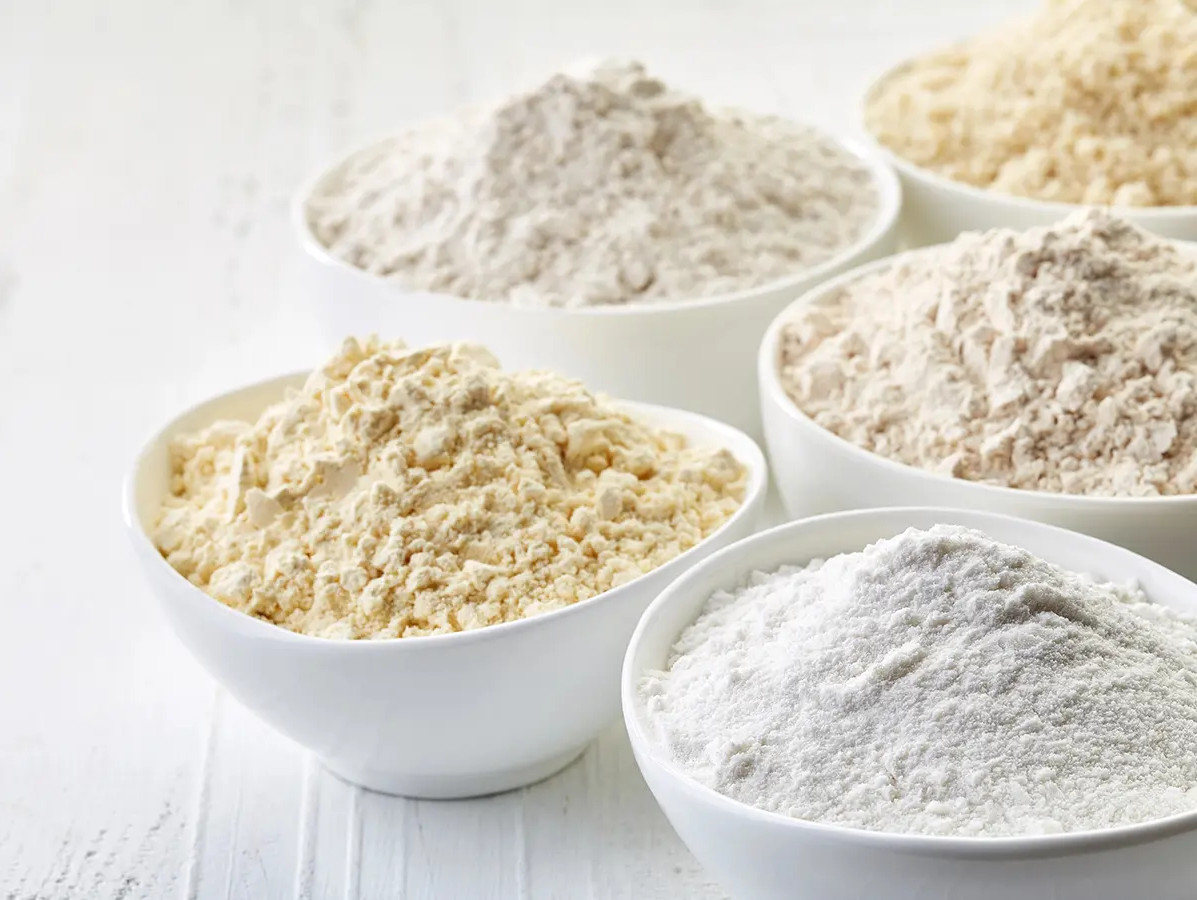
Flour may seem like a predictable staple ingredient, but conditions are changing. Harvests do not always deliver the same quality and characteristics. Climate change, new farming practices, and supply chain developments are increasing this variability. According to Puratos, the shift toward regenerative agriculture also plays a role. The company has been studying these changes at its new Flour Competence Center since this summer. Puratos aims to help bakeries worldwide maintain consistent product quality.
The new research center focuses entirely on flour analysis. Puratos produces ingredients for bakery, patisserie, and chocolate products. The Belgian company aims to better understand variability in flour.
Researchers examine factors including protein and moisture content. They also study enzyme activity and water absorption capacity. These characteristics can vary considerably from one harvest to another. Changes can sometimes even occur within a single season.
“Flour is the foundation of most bakery recipes, yet it is also one of the most complex and variable raw materials in the industry,” says Paul Baisier, Chief R&D Officer at Puratos.
Regenerative agriculture focuses on healthier soils and greater biodiversity. This benefits the climate. However, according to Puratos, it also makes flour less uniform. Bakers have traditionally relied on raw materials with consistent characteristics.
Puratos therefore works closely with partners throughout the production chain. According to the company, this collaboration extends from field to plate. The aim is to build local and sustainable production chains.
The center is digitally connected to specialized laboratories worldwide. The network combines global data with expertise from individual regions. This allows the analyses to reflect the harvest in each region.
Advanced analyses process the collected data. Predictive models using generative AI turn this information into practical solutions. Customers can apply these solutions directly in their own operations.
Puratos focuses on products including fresh bread and frozen dough. The research also covers bakery products with a longer shelf life.
Source: Fevia
Magazine Voedingsindustrie has been made possible in part by:



© COPYRIGHT 2026 VOEDINGSINDUSTRIE | ALLE RECHTEN VOORBEHOUDEN
Powered by Wallbrink Crossmedia © 2026