
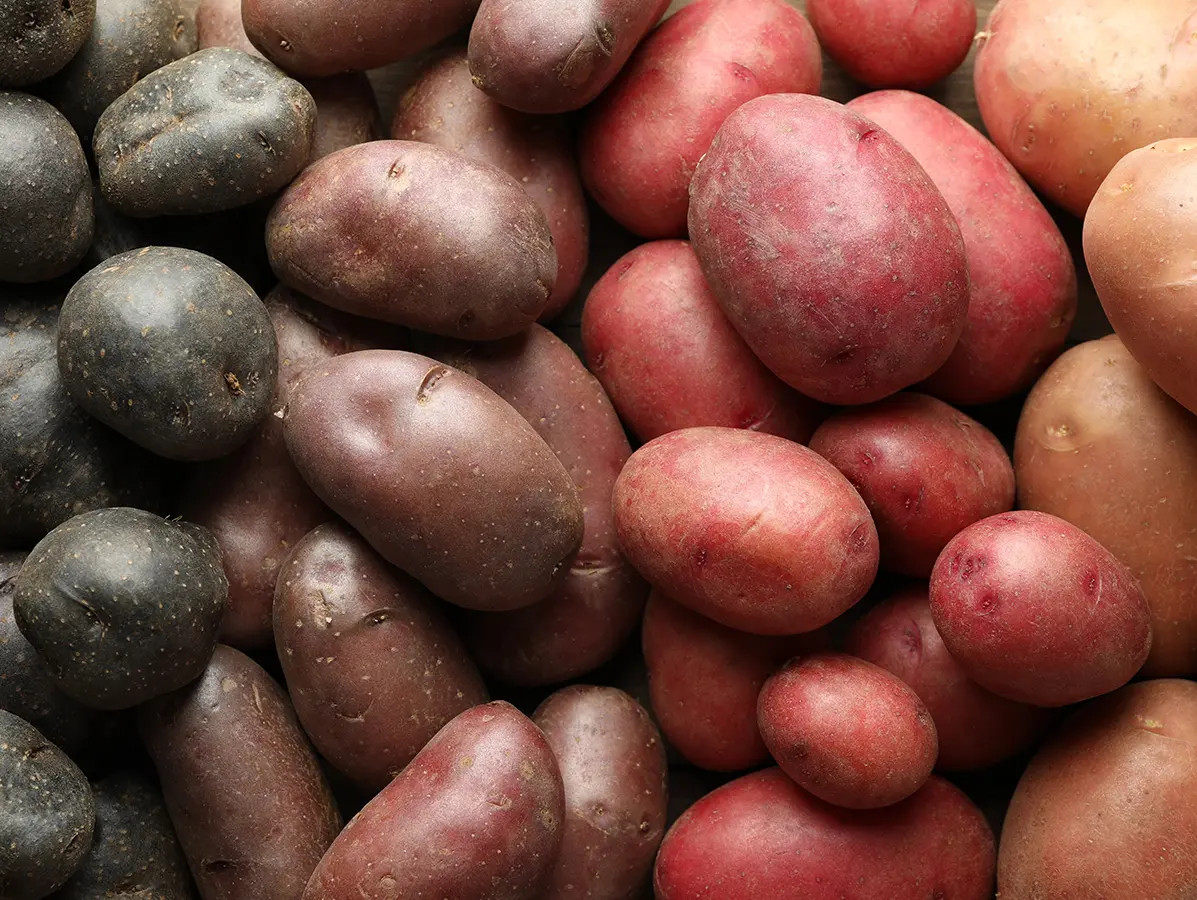
After three strong years, arable farming is facing a different reality. Potato prices have fallen sharply. Sugar beets and grains are also yielding less. This is directly reflected in on-farm liquidity.
Transaction data from ABN AMRO show that the average arable farmer’s liquidity position declined by €34,000 between January and November. This concerns the balance on the current account. A key indicator of the ability to meet ongoing obligations. This is separate from income. Wageningen University & Research estimates the average arable farm income in 2025 at €60,000.
The groundwork for the current situation was already laid in 2024. High prices prompted growers to allocate a larger share of their 2025 cropping plans to potatoes. As a result, the acreage across the four largest European potato-producing countries increased by 7 percent. Demand failed to keep pace. Fast-food chains reduced purchases and exports declined. In the first quarter of 2025, cold stores remained full. Overcapacity came into view.
There was more. The growing season started early and yields per hectare were exceptionally high. Oversupply increased further. On the open market, prices dropped to just a few cents per kilo. In some cases, potatoes were even sold as animal feed. About 80 percent of potatoes are sold under contracts at fixed prices. The remaining 20 percent is traded on the open market and was hit hardest. Because many growers combine both channels, the overall impact was limited.
Potatoes account for roughly 35 percent of farm income. Losses could not be offset through other crops. Sugar beet prices fell due to strong European production and additional imports following reduced levies. Grain prices were under pressure as a result of high global stocks.
Over the first eleven months of the year, revenues were €95,000 higher than a year earlier. The second quarter stood out in particular. This was due to delayed payments for the 2024 harvest, manure application fees, and CAP subsidies. From the third quarter onward, revenues from the 2025 harvest came in. Low prices meant these disappointed. Growers with storage capacity more often chose to hold stock, hoping for a recovery later.
Meanwhile, expenses increased by €136,000. Lease costs rose by 4.58 percent. In spring, seeds, seed potatoes, and contractor services weighed heavily on costs. The dry summer led to intensive irrigation and high fuel expenses in June and July. Investments are being postponed. This tempers pressure on liquidity. The number of farms temporarily overdrawn is rising slightly but remains historically low. For now, many arable farmers are drawing on reserves built up earlier.
Source: ABN Amro
Magazine Voedingsindustrie has been made possible in part by:



© COPYRIGHT 2026 VOEDINGSINDUSTRIE | ALLE RECHTEN VOORBEHOUDEN
Powered by Wallbrink Crossmedia © 2026