
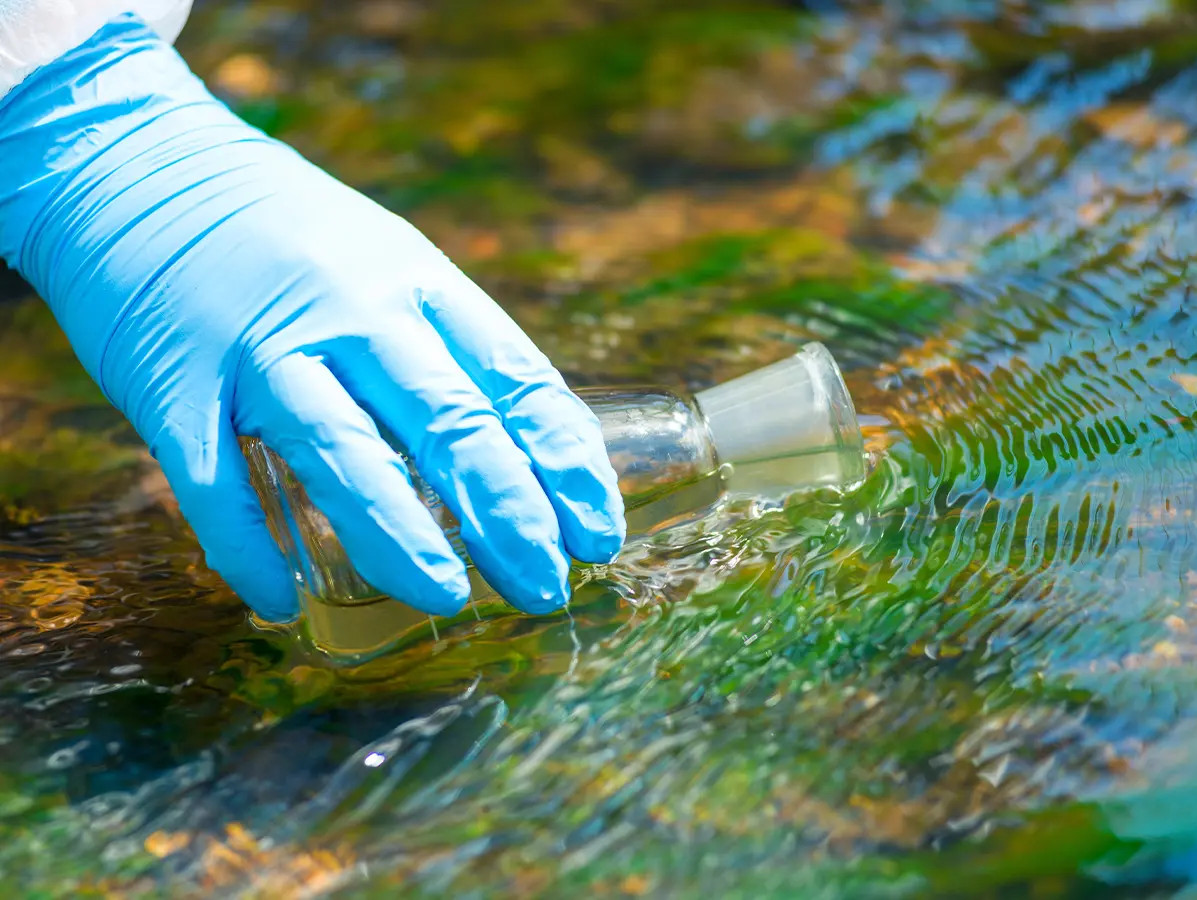
PFAS enter the food chain through water, soil, and air. According to FNLI, the food industry cannot resolve this contamination on its own. The industry association is therefore calling for a European approach that addresses PFAS at the source. According to FNLI, new government measures and RIVM research underscore the importance of this approach.
The Dutch government announced new PFAS measures on September 28. The approach includes European restrictions and innovation to develop alternatives. The government also aims to further reduce emissions and exposure.
FNLI and its members support a joint European approach. They say measures must be proportionate and take risks into account. They must also be workable, taking food safety and production continuity into account. The availability of safe alternatives must also be considered.
FNLI is calling for prompt clarity on the research findings concerning a possible ban on PFAS discharges. The government announced this research in its coalition agreement. It examines the options for introducing a ban in the short term.
PFAS persist once they enter the environment. These substances can then end up in food and drinking water. The specific risks depend on the type of PFAS and the level of exposure.
According to FNLI, contamination originates in the environment and earlier in the food chain. The association says food products themselves are not the source of this contamination. FNLI therefore calls for central coordination and clear, uniform rules. These rules must reduce PFAS production and emissions at the source. fnli.nl
According to new RIVM research, almost all adults have at least two types of PFAS in their blood. Levels exceeded the health-based guidance value in 71 percent of participants. This percentage was lower than in research using blood samples from 2016 and 2017. The measured PFAS levels were also lower than in that study.
Other Western European studies also report declining PFAS levels in blood. According to RIVM, restrictive measures likely contributed to this decline. The institute cites European bans among these measures.
Source: FNLI
Magazine Voedingsindustrie has been made possible in part by:



© COPYRIGHT 2026 VOEDINGSINDUSTRIE | ALLE RECHTEN VOORBEHOUDEN
Powered by Wallbrink Crossmedia © 2026