
Large butter and cheese inventories are delaying the dairy market’s recovery. Milk production is declining only slowly, keeping supplies high. High-fat dairy products in particular lost considerable value over the past year. Whey and skim milk powder, by contrast, became more expensive amid growing demand for protein. This has created clear price differences within the European dairy market.
Dutch milk production reached a record level in March. Dairy farmers produced 1.264 billion liters of milk that month. Production also remained high in other European countries. High milk prices in 2024 and 2025 encouraged farmers to increase production. Dairy farmers kept their cows in the herd longer. More concentrate feed and good-quality forage also increased yields per cow.
Milk prices have now fallen below dairy farmers’ production costs. Even so, the dairy herd is shrinking more slowly than expected. High beef and calf prices partly offset lower milk revenues. Hot weather could further reduce Europe’s milk supply. Dutch dairy processors collected 10 to 20 percent less milk during the June heat wave. Drought could also reduce forage quality.
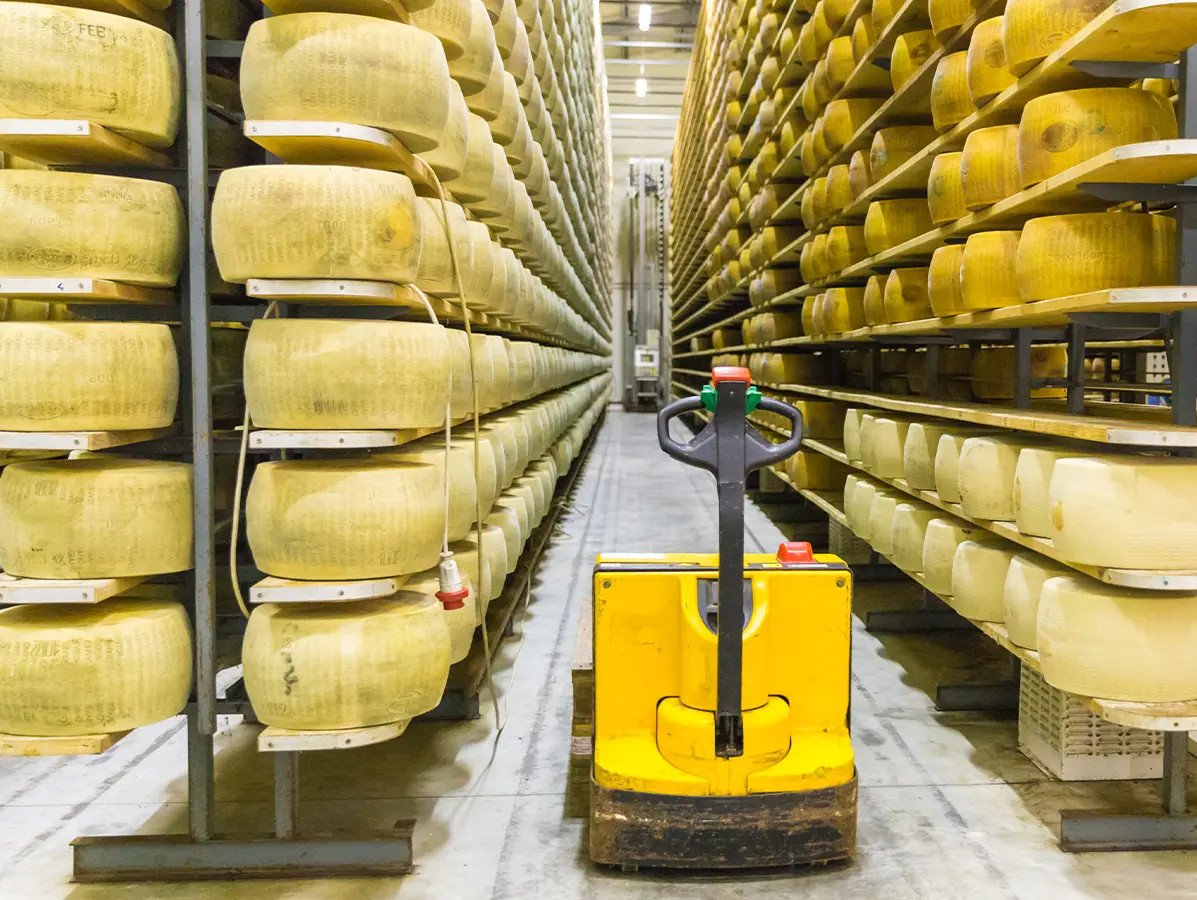
Processors began building substantial dairy inventories in October 2025. Traders and processors report particularly large stocks of butter and cheese. These inventories are expected to keep prices low for longer.
Butter can remain in freezer storage for up to two years. Cheese cannot be stored as long without a loss of quality. According to the report, its slicing quality begins to decline after just six weeks. Butter lost 48 percent of its value within a year. Whole milk powder fell by 26 percent and cheese by 21 percent.
Whey rose 40 percent in value within a year. Skim milk powder became 9 percent more expensive over the same period. Sports nutrition and the use of GLP-1 medications are driving demand. Users are advised to consume more protein. This is intended to prevent them from losing muscle mass too quickly.
The United States imported 12 percent more European dairy products over five months. European exports to China declined due to import tariffs. These apply to cheese, milk, and cream, but not to milk powders.
Source: ABN AMRO
Magazine Voedingsindustrie has been made possible in part by:



© COPYRIGHT 2026 VOEDINGSINDUSTRIE | ALLE RECHTEN VOORBEHOUDEN
Powered by Wallbrink Crossmedia © 2026