
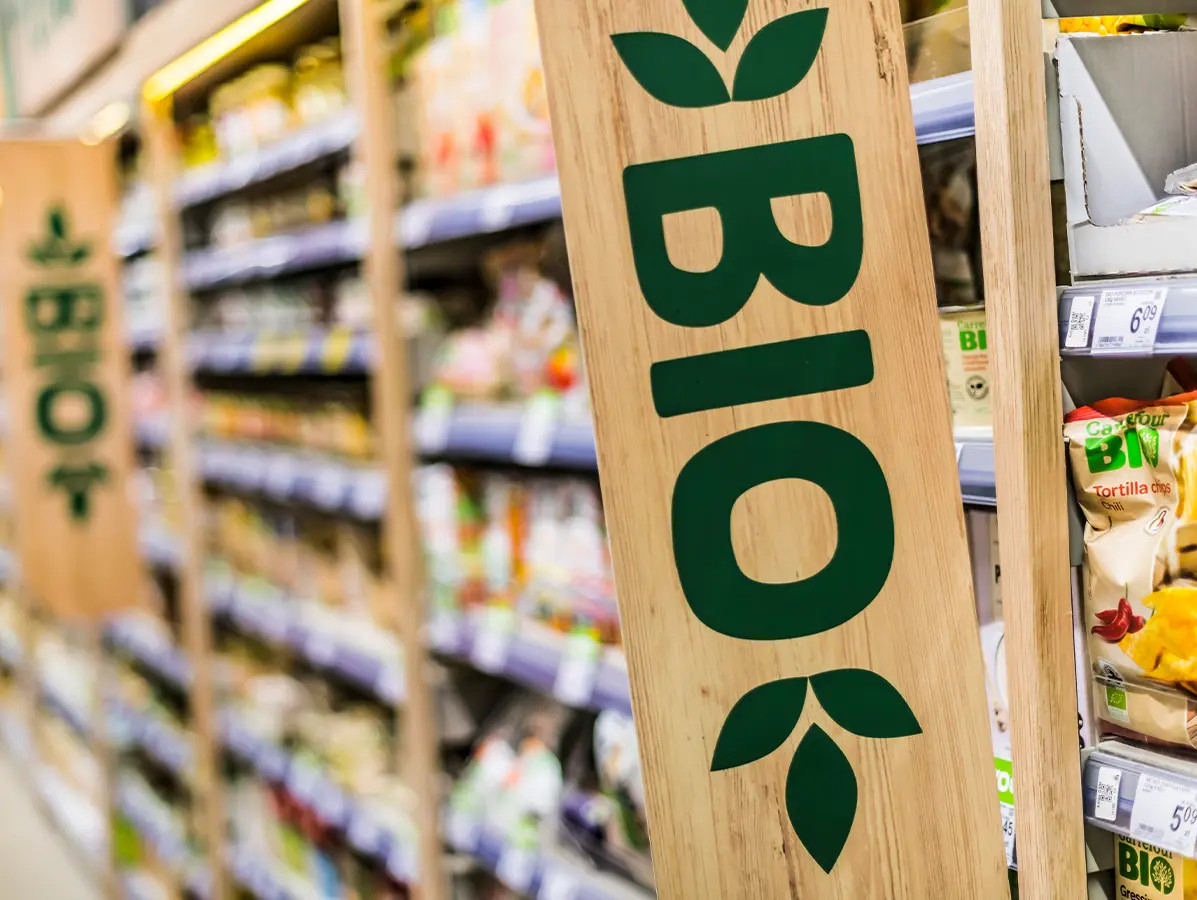
The price gap between organic and conventional food has increased again. Consumers pay an average of 66% more for organic products. This is evident from a recent price survey by the Dutch Consumer Organization across 13 supermarket chains and organic stores. Two years ago, this difference stood at 48%. The findings show that the gap can vary significantly by product category and by retailer.
In March 2026, the Dutch Consumer Organization examined the prices of 166 organic products. The study included 13 supermarket chains and organic stores. The price difference varies by product category and by retailer. In dairy, soup, rice, and pasta, the differences remain relatively limited. In some cases, organic is even cheaper. For example, whole wheat macaroni at DekaMarkt costs €0.58 for the regular version and €0.44 for the organic option.
In other categories, the differences increase sharply. Price gaps are particularly large for vegetables, fruit, chips, sauces, and tea. In some cases, organic products are priced more than 100% higher. One example is vine tomatoes at Plus. Consumers pay €1.49 for the regular version and €2.99 for the organic variant.
The price survey also shows clear differences between chains. Lidl emerges as the lowest-priced provider of organic products. Its price level is 19% below the average. Vomar follows at 17% below average. DekaMarkt and Dirk are both 12% below average.
Specialty stores such as Ekoplaza and Odin are the most expensive. These retailers stand out with a fully organic assortment. Albert Heijn, Jumbo, and Plus offer the widest selection, each carrying more than 1,000 organic products.
Sandra Molenaar calls the development concerning. “That the price difference between organic and non-organic has increased again on average is a worrying development. In this way, only consumers with a well-filled wallet can afford organic products, while it is important that sustainable choices remain affordable for everyone.”
Source: Consumentenbond
Magazine Voedingsindustrie has been made possible in part by:



© COPYRIGHT 2026 VOEDINGSINDUSTRIE | ALLE RECHTEN VOORBEHOUDEN
Powered by Wallbrink Crossmedia © 2026