
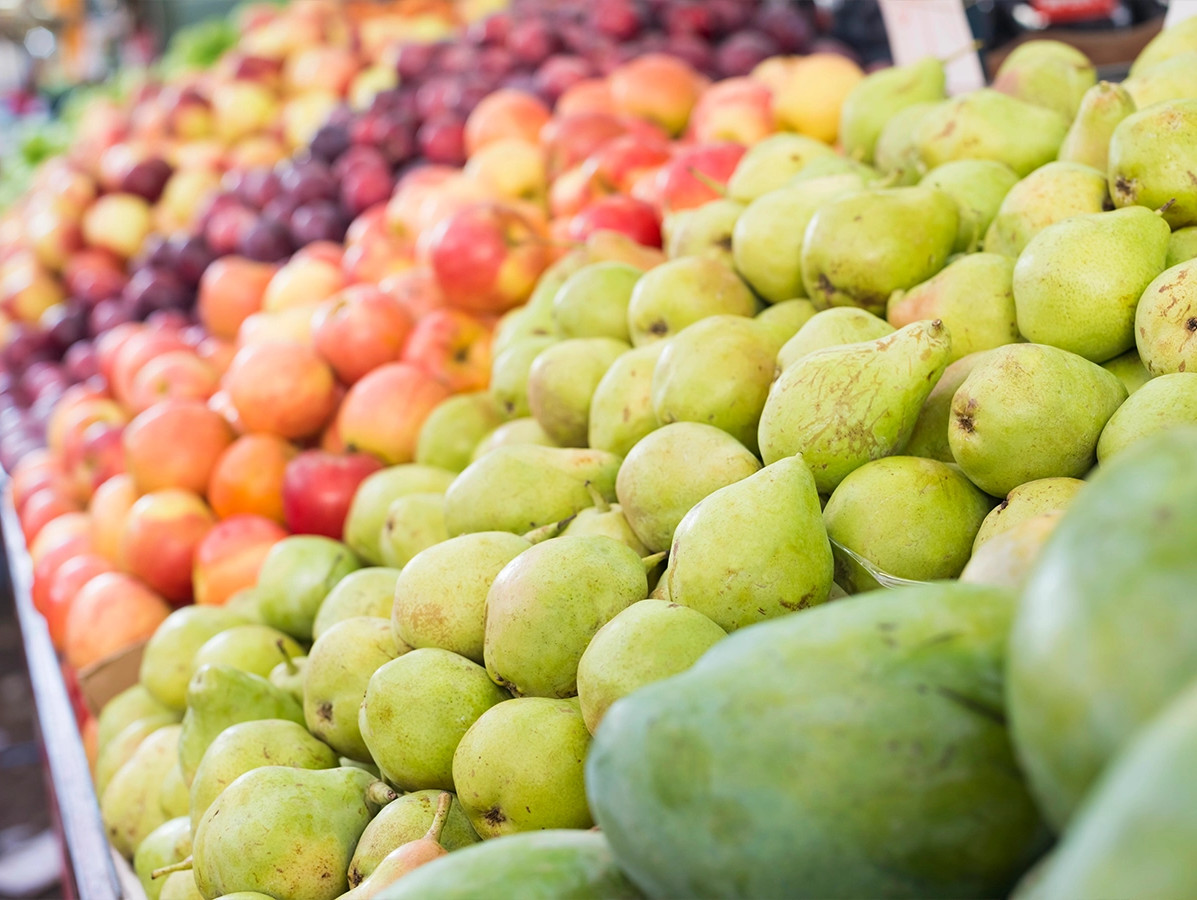
The organic assortment of potatoes, vegetables, and fruit in Dutch supermarkets has declined for the first time in years. After a period of growth, 2026 shows a clear downturn. This is evident from the EKO count by PAN Netherlands, conducted in 69 stores of the largest supermarket chains.
On average, 29.5 types of organic potatoes, vegetables, and fruit were counted. A year earlier, that figure was still 31.3. This brings an end to the upward trend seen since 2021. Albert Heijn remains the chain with the largest assortment, averaging 55 products. Jumbo, Lidl, and Plus follow with 30 to 36 products. Aldi lags behind with an average of 5 organic fresh produce items and, according to the count, offers no organic fresh fruit.
Within the assortment, potted herbs, mushrooms, onions, and potatoes dominate. Typical winter vegetables such as Brussels sprouts and kale are rarely available in organic form.
According to PAN-NL, developments are falling short of stated ambitions. Supermarkets indicate they want to grow their organic offering, but this is only limitedly reflected on shelves.“In this way, we will not stop insect and bee decline, and water quality targets will remain out of reach,” says chair Margriet Mantingh.
On the production side, growth also remains limited. The share of organic agricultural land is around 5% and is barely increasing. This places the Netherlands among the countries with a relatively low share of organic farming in Europe. At the same time, there is a target to increase this share to around 15% by 2030.
Although consumers value organic products, sales are lagging behind. The market share of organic products in supermarkets is around 3.5%. The main barrier is price. For 79% of consumers, this is the reason not to choose organic. At the same time, the absence of pesticides is most often cited as a reason to buy organic products.
Source: PAN Netherlands
Magazine Voedingsindustrie has been made possible in part by:



© COPYRIGHT 2026 VOEDINGSINDUSTRIE | ALLE RECHTEN VOORBEHOUDEN
Powered by Wallbrink Crossmedia © 2026