
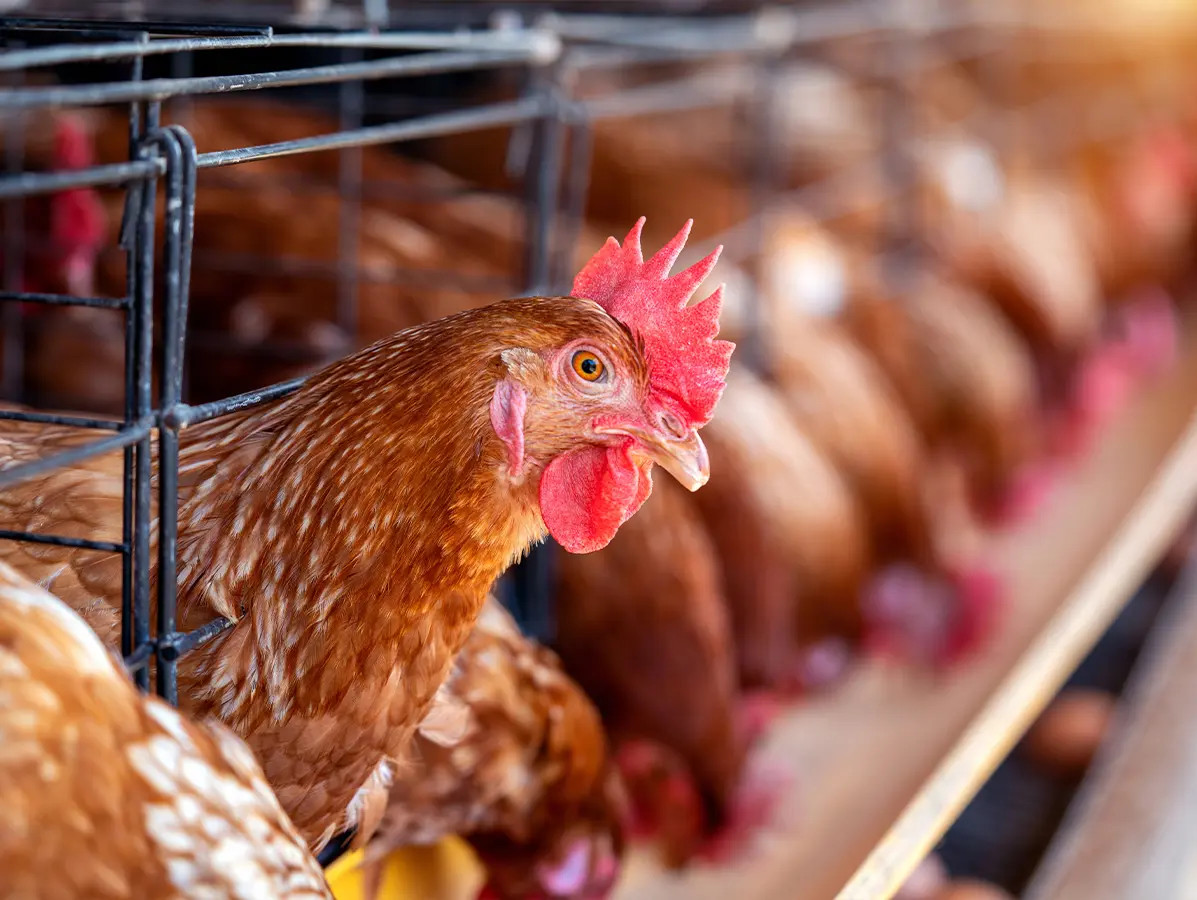
The figures speak for themselves: the number of Salmonella Enteritidis infections in the Dutch poultry sector is rising. Minister Femke Wiersma of Agriculture, Fisheries, Food Security and Nature (LVVN) raised the alarm, and the sector has now taken matters into its own hands.
Since May 2023, the number of infections among laying hens has doubled—from less than two to around four percent. That may not sound like much, but in practice it means a considerably higher risk of contaminated eggs. The bacterium mainly causes intestinal complaints after eating raw or insufficiently cooked eggs and can sometimes lead to fever. With both more infected hens and more human cases, the government sees reason for concern.
After consultation with the industry association, the sector decided not to wait for mandatory measures from The Hague. A new implementation decision has been in force since 20 October 2025, affecting most laying hen farmers. The core of the plan: more frequent testing for salmonella to detect infections earlier.
In addition, since 23 October, a separate cleaning and disinfection protocol has applied to trucks transporting eggs from infected farms. The goal is to prevent further spread and, in turn, reduce risks for consumers.
The ministries of LVVN and Health, Welfare and Sport (VWS) support the sector’s approach. The RIVM is conducting a cluster analysis to determine the cause of the increase and is monitoring how many people fall ill. The NVWA also plays a role: it has been asked to prepare a risk assessment, including a supervisory overview for the laying hen sector.
Parliament was informed on 22 September 2025, and an update is expected in early 2026 on progress, the impact of the measures, and whether additional mandatory steps will be required.
Source: Rijksoverheid
Magazine Voedingsindustrie has been made possible in part by:



© COPYRIGHT 2026 VOEDINGSINDUSTRIE | ALLE RECHTEN VOORBEHOUDEN
Powered by Wallbrink Crossmedia © 2026