
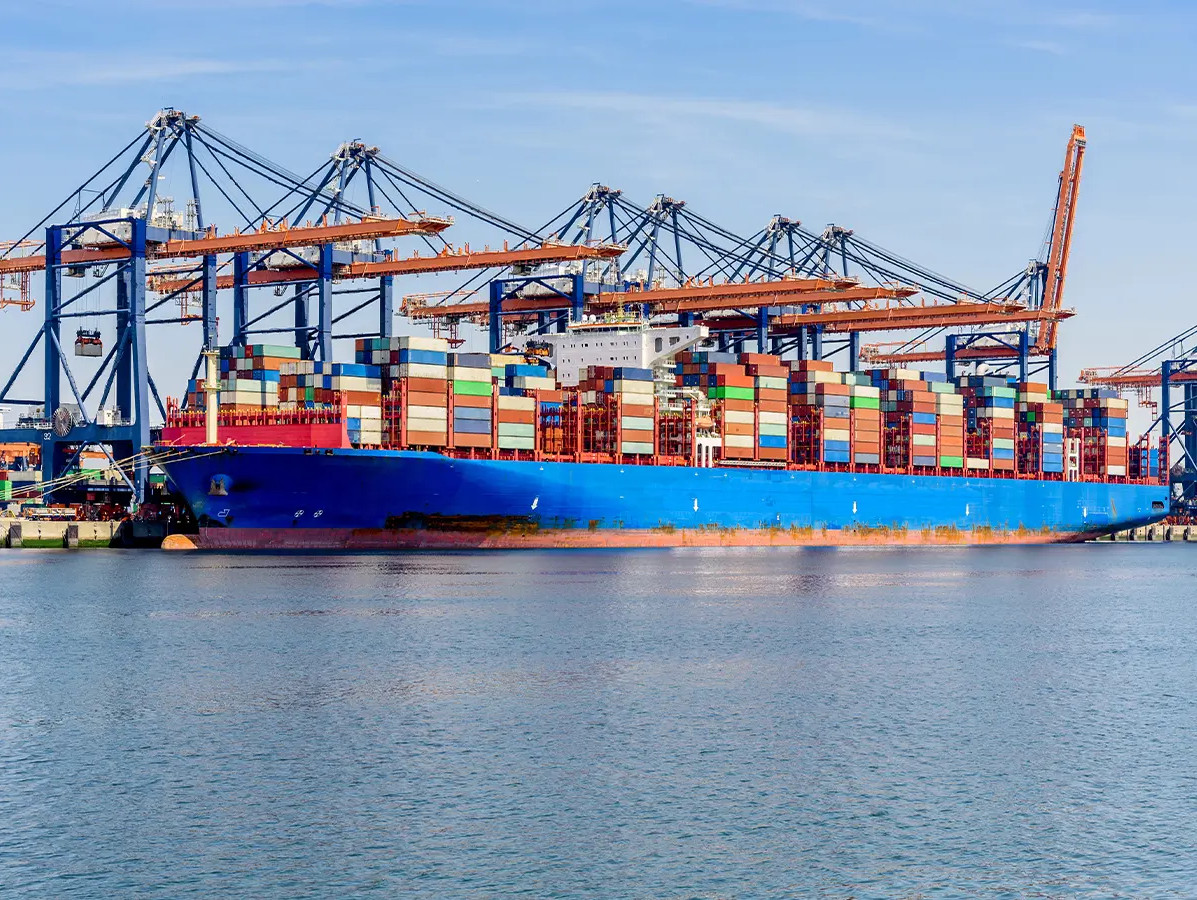
The volume of fruit and vegetables arriving in refrigerated containers has increased sharply over the past decade. In 2025, 11.1 million metric tons of refrigerated and frozen cargo arrived in the Netherlands by sea. Volumes of bananas and avocados saw particularly strong growth. GroentenFruit Huis emphasizes that a large share is transported onward into Europe.
According to preliminary figures from Statistics Netherlands (CBS), fruit accounted for more than 56 percent of the cargo. The volume had increased by 45 percent since 2015. In 2025, this amounted to 6.2 million metric tons. The volume of vegetables increased by 108 percent. This brought the total weight to nearly 1 million metric tons.
The volume of bananas was more than twice as high as in 2015. In 2025, the figure was nearly 1.3 million metric tons. Bananas therefore accounted for one-fifth of total fruit shipments. The volume of avocados tripled to more than 0.6 million metric tons.
According to GroentenFruit Huis, this growth is linked to demand for tropical fruit. Many of these products are grown only to a limited extent in the Netherlands and Europe. Moreover, production does not necessarily keep pace with demand.
Available acreage is limited. Drought, heat and extreme rainfall can affect yields and availability. Imports are therefore an integral part of the fruit and vegetable market.
Not all incoming products are consumed in the Netherlands. A large share is transported through ports and logistics centers to other European countries. Richard Schouten, managing director of GroentenFruit Huis, highlights this role: “At the same time, the Netherlands is an important gateway to the European market.”
The increase in fruit and vegetables contrasts with declines in meat and fish. Shipments of meat and meat products fell by 19 percent. Fish shipments fell by 14 percent to 1.1 million metric tons.
South Africa became the largest country of origin for goods transported in refrigerated containers. At nearly 1.5 million metric tons, it overtook Brazil. Shipments from South Africa mainly consisted of oranges and grapes. Brazil primarily supplied meat and melons.
Source: CBS
Magazine Voedingsindustrie has been made possible in part by:



© COPYRIGHT 2026 VOEDINGSINDUSTRIE | ALLE RECHTEN VOORBEHOUDEN
Powered by Wallbrink Crossmedia © 2026