
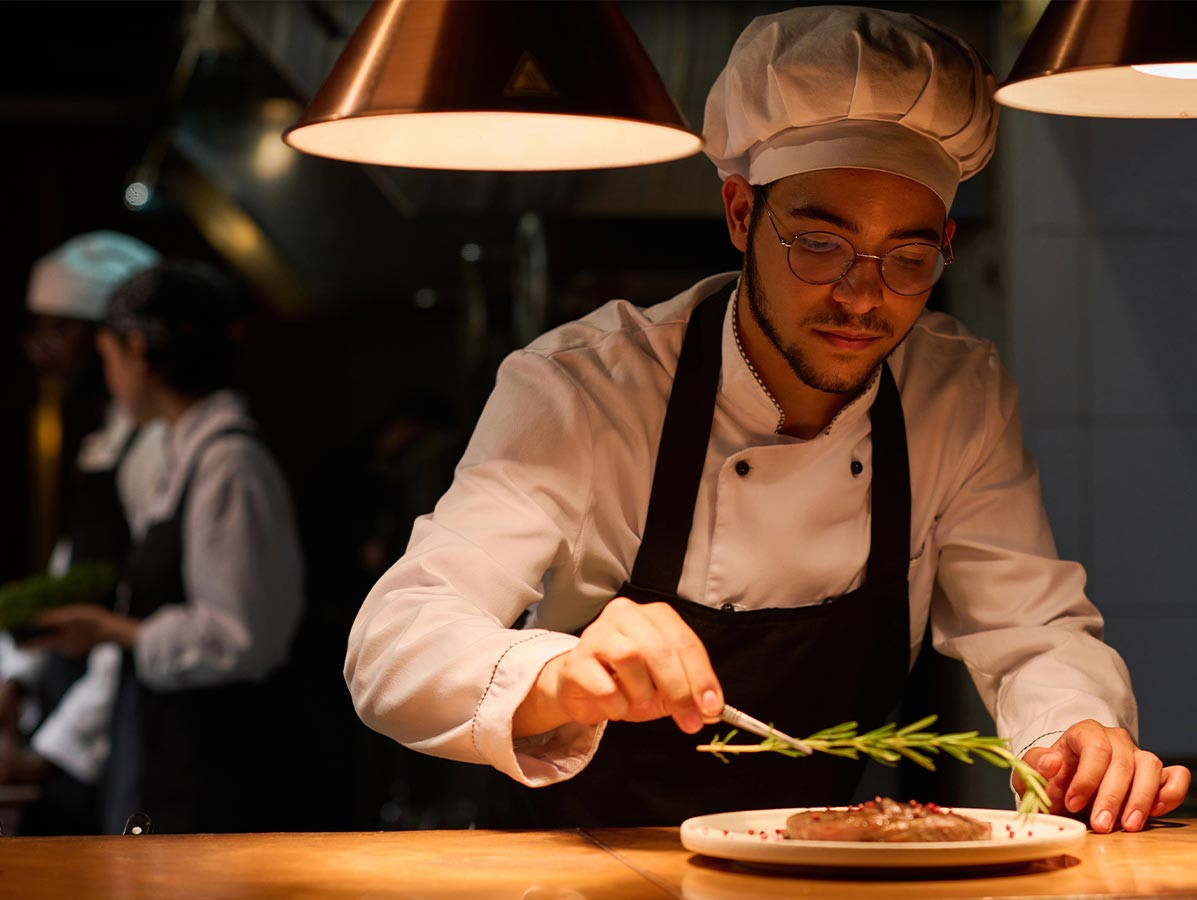
The hospitality sector remains a key sales channel for meat and fish. At the same time, animal proteins represent a significant cost for restaurant owners. Both industries face similar challenges: a shrinking livestock population, rising costs, stricter sustainability requirements, and shifting customer preferences. Working together can make it easier to address these issues effectively.
Roughly a quarter of all meat sales take place through the hospitality sector. While the European market is mature, there is still room for growth. This is largely driven by lifestyle changes, smaller households, and a growing demand for convenience. People are also spending a larger share of their food budget on dining out. That makes it increasingly important for hospitality businesses to secure stable and affordable meat supplies.
Long-term partnerships can play a major role in this. Direct relationships with hospitality businesses give producers more certainty, which supports investment in the supply chain. For restaurant owners, reliable delivery is a key advantage—especially now that the availability of certain meats, such as beef, is under pressure.
Collaboration also contributes to reducing scope 3 emissions. Meat production accounts for a large share of the CO₂ emissions of hospitality businesses, and these figures can only be lowered through changes across the supply chain. In addition, meat processors can take over part of the preparation or processing work, helping restaurants manage staff shortages more effectively.
Both sectors benefit when supply chains are more efficient, responsive, and flexible. Creating added value is essential to keeping rising costs under control. That’s what makes collaboration a real advantage for both sides.
Source: Rabobank
Magazine Voedingsindustrie has been made possible in part by:



© COPYRIGHT 2026 VOEDINGSINDUSTRIE | ALLE RECHTEN VOORBEHOUDEN
Powered by Wallbrink Crossmedia © 2026