
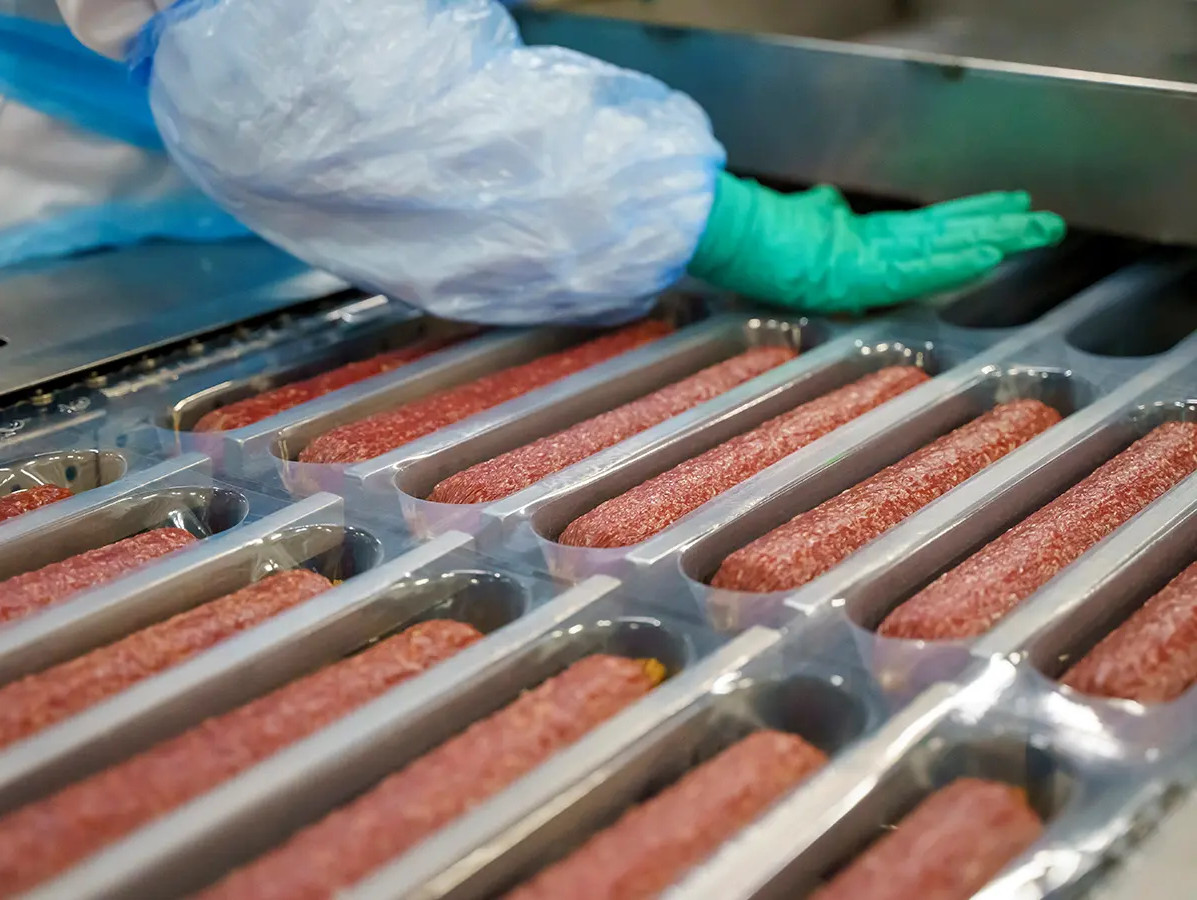
The Association of the Dutch Meat Products Industry is continuing its monitoring of food waste. This year, Danish Crown, Sigma Benelux, and DeliBarn are joining the group. This means over half of the combined production volume has now been mapped. The 2025 results show average residual streams of 4.2% and 4.4%. This applies to processing and slicing the meat products, respectively.
These residual streams do not directly count as food waste for the sector. External parties process these streams into animal feed or through anaerobic digestion. Animal feed stays within the food chain and is not considered waste. The portion sent for digestion does count as waste. The exact breakdown between these two streams remains unknown. More than half ends up as animal feed or pet food. Richard van der Kruijk, secretary of VNV: "Companies are increasingly able to more accurately map residual streams that previously stayed out of sight. Because the participants measure even better and gain clearer insights, they can take more targeted action to maximize the value of their raw materials."
The meat products industry faces specific challenges that impact these figures. Strict laws and regulations determine what can be done with animal byproducts. In addition, the Netherlands has an exceptionally broad and diverse product range. Consumer preferences also play a major role in waste levels. In the Netherlands, the ends of sliced sausages are generally not sold. In neighboring countries like Germany, however, this is quite common.
The monitor provides a standardized measurement method for the production process. It helps calculate the carbon footprint and complete sustainability reports. All data is processed anonymously to ensure a secure benchmark. The new monitor will launch again next spring. Companies can sign up through VNV or Samen Tegen Voedselverspilling.
Source: Samen Tegen Voedselverspilling
Magazine Voedingsindustrie has been made possible in part by:



© COPYRIGHT 2026 VOEDINGSINDUSTRIE | ALLE RECHTEN VOORBEHOUDEN
Powered by Wallbrink Crossmedia © 2026