Dutch industry can reduce its CO₂ emissions to almost zero by 2040. This is shown by research conducted by CE Delft, commissioned by Natuur & Milieu. The message is clear: it is possible, but the pace needs to increase. And quickly, too.
At present, industry accounts for roughly one-third of total emissions in the Netherlands. At the same time, the study shows that the sector is falling behind under current policy. As a result, the European emissions cap is moving out of reach.
According to the outlined pathway, emissions need to fall from around 37 Mton today to nearly zero by 2040. However, projections for 2030 still sit well above that level. That gap translates into higher costs and increasing pressure on companies.
The core of the transition lies in phasing out fossil fuels. In both scenarios, the use of coal, oil, and gas declines significantly. In the most ambitious scenario, this amounts to a reduction of around 65 percent by 2040.
Coal is almost entirely phased out. Natural gas and oil are partly replaced by electricity, hydrogen, and circular raw materials. At the same time, there is a stronger focus on recycling and biobased feedstocks, particularly in the chemical sector. This approach can reduce emissions by 94 percent.
The transition requires a substantial increase in electricity and hydrogen. This growing demand can only be met if grid congestion is addressed and infrastructure is expanded. The report explicitly identifies this as a bottleneck.
In addition, demand reduction plays an important role. Lower use of fossil raw materials and greater reliance on circular materials are necessary to further limit emissions.
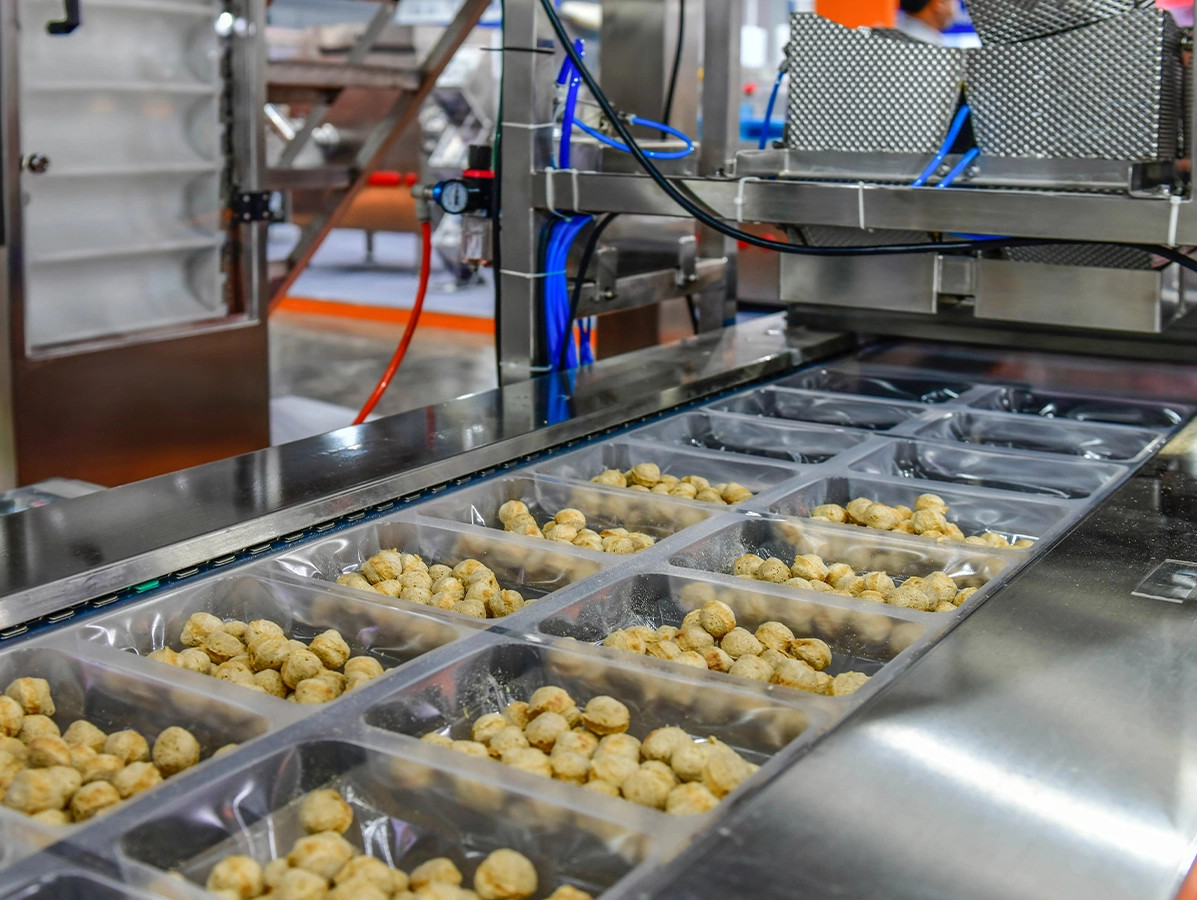
For sectors such as the food industry, which depend on energy and packaging materials, these developments directly affect production and supply chain collaboration.
Source: Natuur & Milieu
Magazine Voedingsindustrie has been made possible in part by:



© COPYRIGHT 2026 VOEDINGSINDUSTRIE | ALLE RECHTEN VOORBEHOUDEN
Powered by Wallbrink Crossmedia © 2026