
The planned phase-out of the housing cost scheme for labor migrants will not go ahead. Employers may therefore continue to deduct up to 25 percent of the minimum wage for housing after 1 January 2026. According to the cabinet, ending the scheme now would do more harm than good.
Protecting labor migrants remains the top priority, the cabinet stresses. Their position is already vulnerable, and the housing market is under severe pressure. Phasing out the scheme would likely make their situation even worse. For that reason, the proposal will not be sent to the Council of State for advice at this stage.
An earlier review showed that the scheme has two sides. On one hand, it can increase workers’ dependence on their employers and, in some cases, maintain an undesirable revenue model. On the other hand, it makes it easier to arrange housing — something both employers and labor migrants benefit from.
An important detail: only certified housing qualifies. Employers may withhold money for housing costs only if the accommodation meets specific quality standards. If the scheme were abolished, that supervision would disappear too — and with it an important safeguard against abuse.
Meanwhile, the cabinet is working on additional measures to better protect labor migrants. The Work in NL information points offer them guidance and advice on their rights. The proposed Admission of the Supply of Workers Act (Wtta) aims to strengthen the position of vulnerable workers, including labor migrants. In addition, the Minister of Housing and Spatial Planning is preparing legislation to improve rental protection.
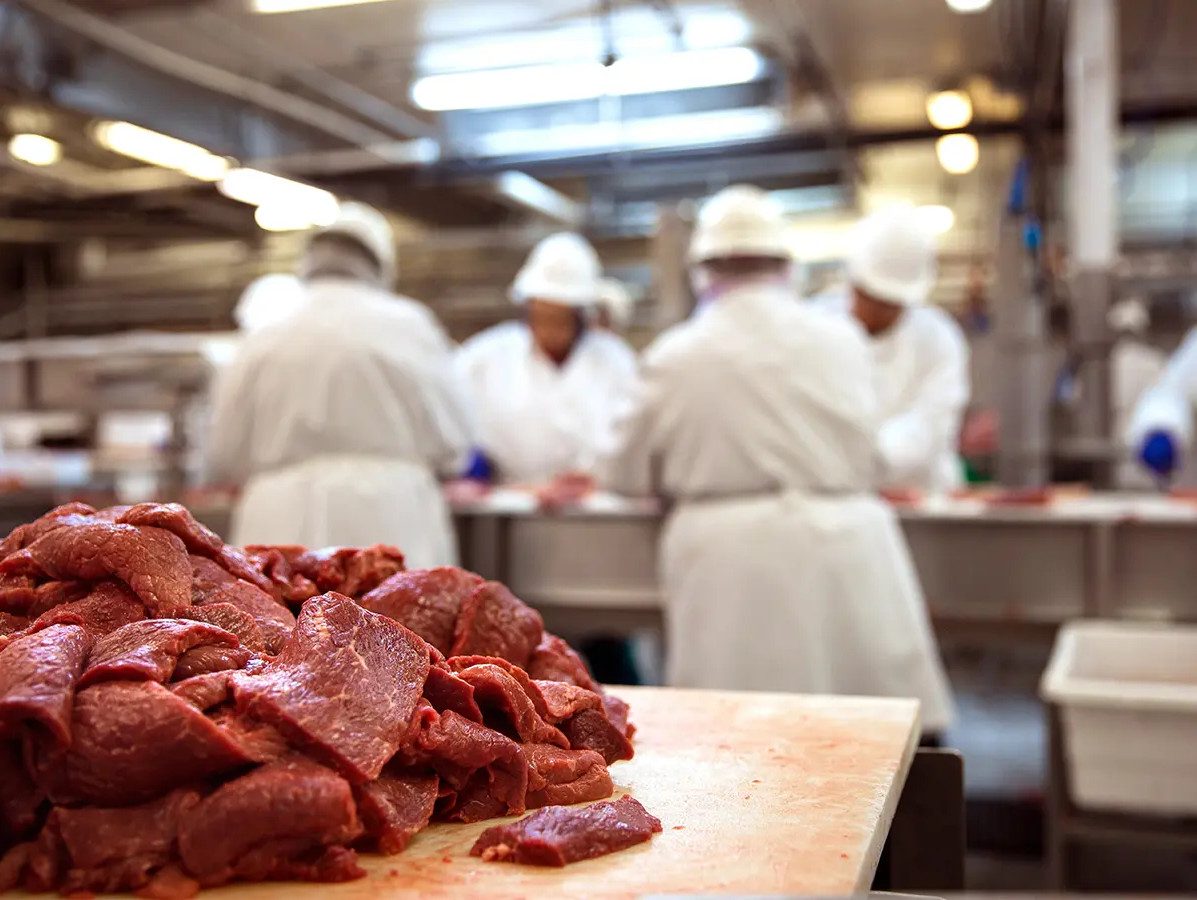
For companies in the food industry — where countless labor migrants are employed — the current scheme will therefore remain in place for the time being. That brings some clarity, and hopefully a bit more stability, to an already strained labor and housing market.
Source: Rijksoverheid
Magazine Voedingsindustrie has been made possible in part by:



© COPYRIGHT 2026 VOEDINGSINDUSTRIE | ALLE RECHTEN VOORBEHOUDEN
Powered by Wallbrink Crossmedia © 2026