
Captured CO₂ can be supplied to the food industry. But what contaminants could the gas carry? BuRO cannot yet answer that question precisely. The agency recommends regular checks for substances originating from combustion. BuRO also wants to maintain the requirement that CO₂ be at least 99% pure.
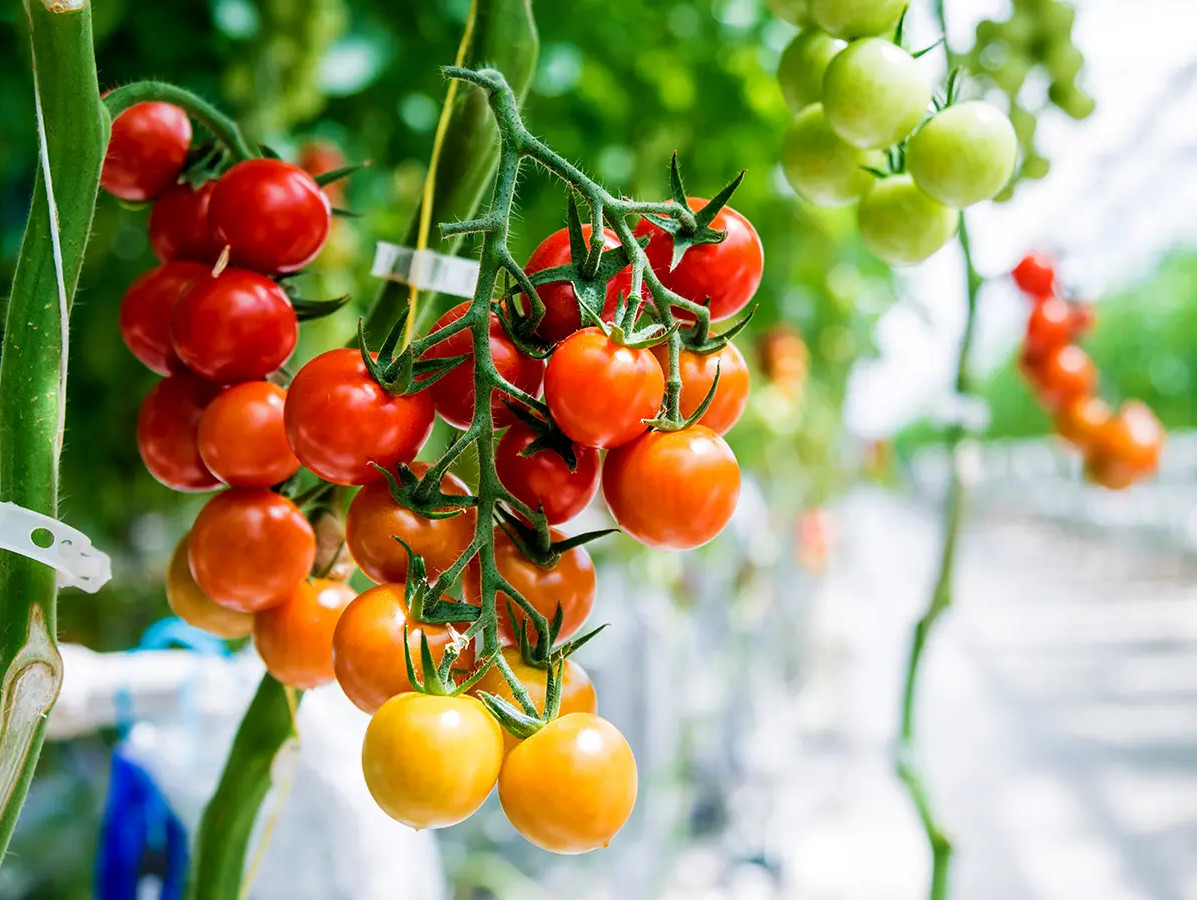
Greenhouses use CO₂ to promote crop growth. Most of that gas currently comes from burning natural gas. The greenhouse sector aims to be climate neutral by 2040. That makes alternative sources of CO₂ necessary. Captured CO₂ can come from waste incineration plants, other industrial facilities, and shipping, for example. CO₂ plants serving the food industry can also receive the gas.
Environmental authorities are concerned that the gas could be contaminated. They decide whether it may be supplied as a raw material. That is allowed only if there are no adverse effects on health or the environment.
BuRO does not know the composition of captured CO₂. It is also unknown whether maximum concentration limits have been agreed. This leaves too little information for a targeted risk assessment. BuRO believes 99% pure CO₂ is unlikely to raise food safety concerns. That assessment remains preliminary.
Contaminants in captured CO₂ could end up in greenhouse-grown vegetables. According to BuRO, the estimated additional intake through vegetables is small. BuRO also estimated the intake of contaminants from soft drinks. At the concentrations examined, they account for less than 0.2% of total intake. For some substances, daily dietary intake already exceeds health-based guidance values. BuRO considers additional exposure to those substances undesirable.
BuRO recommends regular quality checks on the gas. Those checks should target substances produced by combustion. BuRO recommends a separate risk assessment for each of these substances. The findings should then be assessed against health-based guidance values.
Revisions: I replaced the awkward wording around “end-of-waste status” and “food safety problems” with more natural phrasing. I also clarified the sentences about CO₂ plants, environmental authorities, and the estimate for soft drinks. I kept “health-based guidance values,” the equivalent of the term used in BuRO’s advisory report.
Source: NVWA
Magazine Voedingsindustrie has been made possible in part by:



© COPYRIGHT 2026 VOEDINGSINDUSTRIE | ALLE RECHTEN VOORBEHOUDEN
Powered by Wallbrink Crossmedia © 2026





