
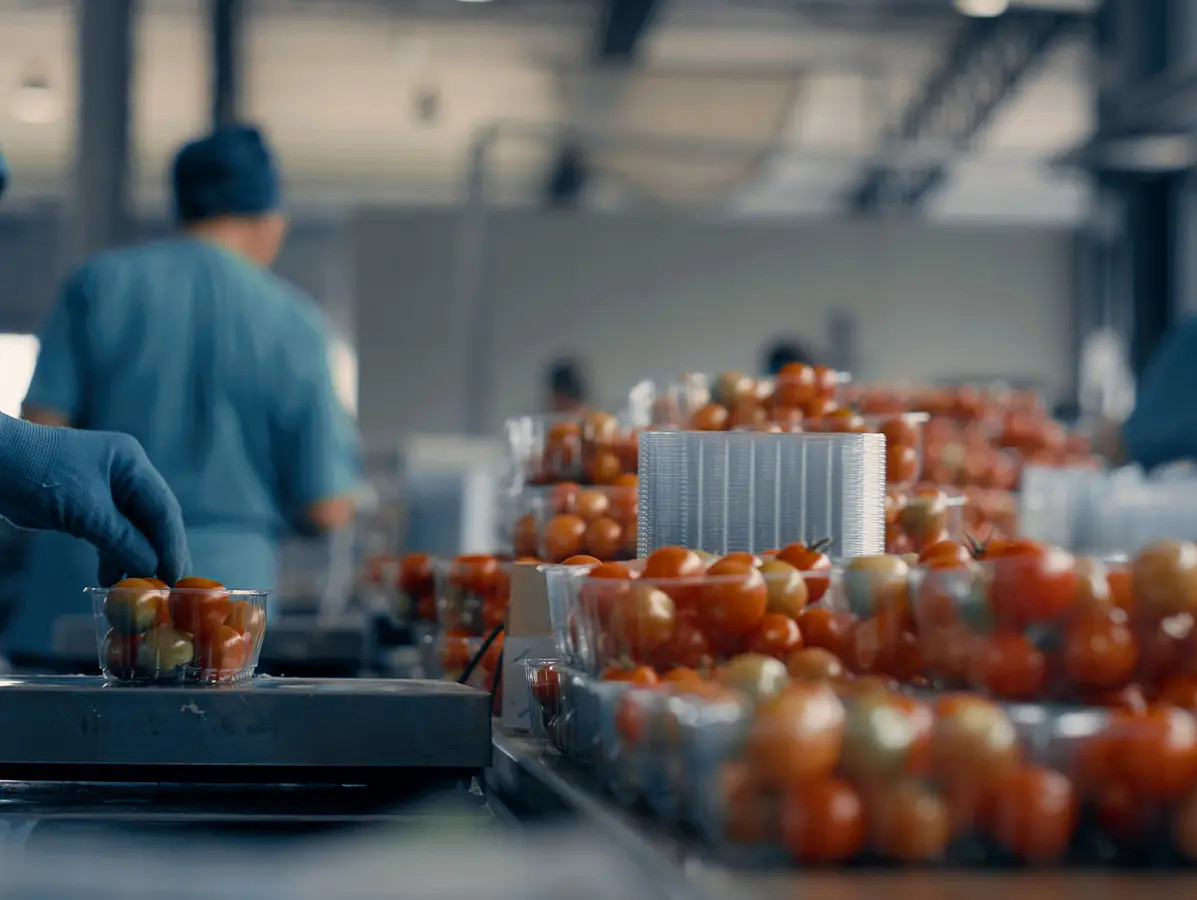
After a strong 2025, growth in the food sector is beginning to level off. The food industry still achieved volume growth of 3 percent last year, driven largely by exports. For 2026, ABN AMRO expects volumes to remain stable. According to the bank, producers are facing rising costs for energy, transport, and raw materials, among other factors. At the same time, higher prices are putting pressure on consumers, making them more cautious about their spending. That combination means the outlook for the sector is less favorable than it was a year ago.
According to ABN AMRO, the impact of the war in Iran will remain limited during the first half of 2026. Many companies are still benefiting from previously secured energy contracts and existing stocks of raw materials and packaging materials.
Later this year, producers are expected to face higher costs for energy, transport, agricultural raw materials, and packaging. Part of these increases will have to be passed on to customers. The bank expects negotiations between food manufacturers and retailers to become even tougher. As a result, not every company will be able to pass on the full cost increases, putting pressure on margins.
ABN AMRO expects food inflation to peak in the first half of 2027. The expected El Niño weather phenomenon could also contribute to higher food prices due to weaker harvests around the world.
Higher prices are reducing consumers’ purchasing power. As a result, consumers are expected to buy fewer products and increasingly opt for lower-cost alternatives. Data from supermarket scans show that this trend is already visible. In the first four months of 2026, sales from the fresh food category declined by 0.7 percent, while frozen products recorded growth of 2 percent.
The differences between subsectors are significant. The shrinking livestock population is holding back volumes of animal-based products. This is particularly evident in pork production. In the first quarter of 2026, the volume of slaughtered pork fell by 8 percent.
ABN AMRO also expects lower volumes in the dairy sector. Volumes of alcoholic beverages continue to come under pressure due to changing consumer preferences. For the remaining subsectors, the bank forecasts modest volume growth.
Source: ABN AMRO
Magazine Voedingsindustrie has been made possible in part by:



© COPYRIGHT 2026 VOEDINGSINDUSTRIE | ALLE RECHTEN VOORBEHOUDEN
Powered by Wallbrink Crossmedia © 2026