
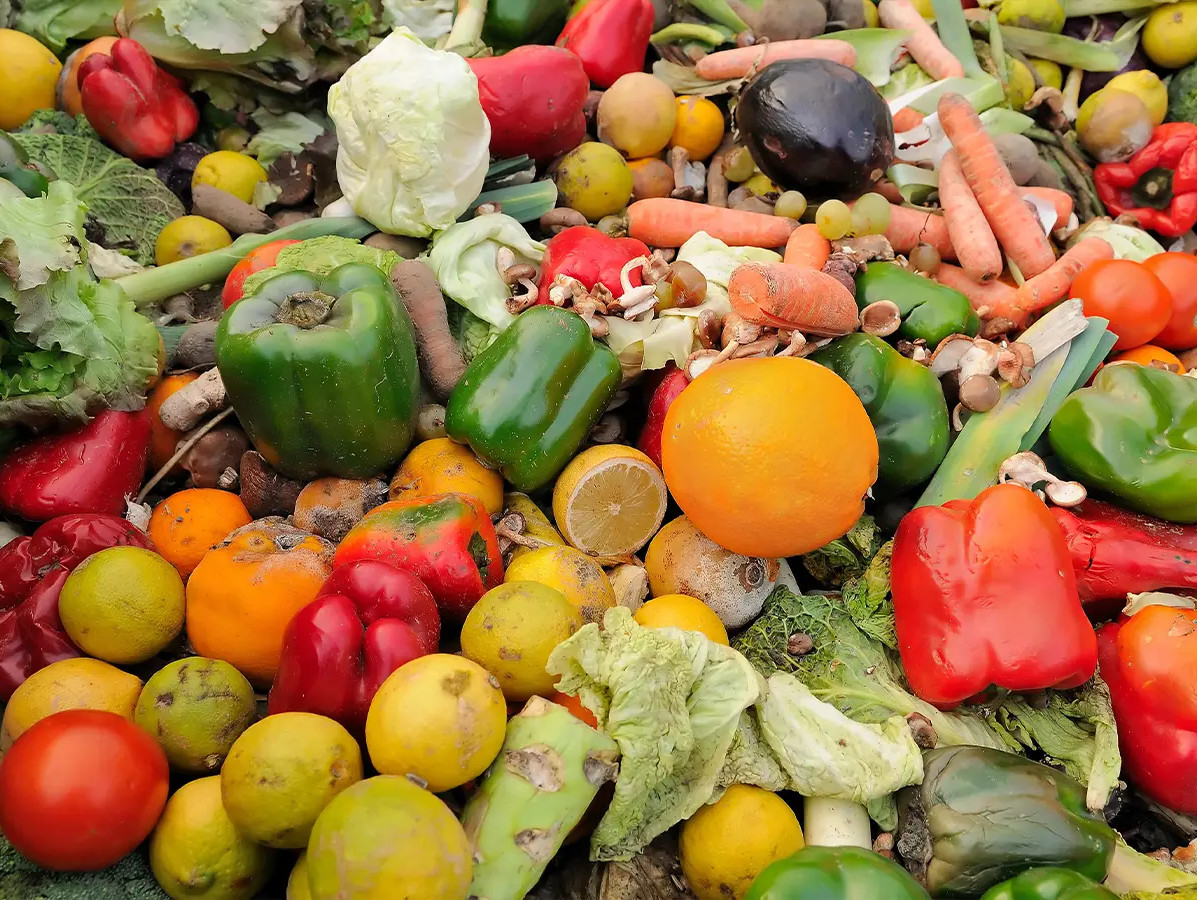
The Netherlands risks missing an important climate target: halving food waste by 2030 compared to 2015. Every year, millions of kilos of edible food end up in the bin. That affects not only the climate, but also our food security — and our wallets.
“More action against food waste is needed, from producer to shopping basket,” says Ceel Elemans of ING. Most waste still occurs within the food industry and in households. Yet there are signs of progress across the supply chain.
Supermarkets prove that things can be done differently. In 2024, their food waste was 33 percent lower than in 2018. That progress is thanks to smart solutions: smaller portions, dynamic pricing, and better stock management.
Working with dedicated partners plays a crucial role. Lidl, for example, collaborates with Food Fellows and Kipster. Albert Heijn has already launched more than fifty products made from residual streams. Recently, the retailer processed 200,000 kilos of rejected bananas into puree and banana bread.
Residual streams are increasingly being used in new products. Structural cooperation throughout the chain makes it possible to scale up further. The Netherlands Authority for Consumers and Markets views such collaborations aimed at sustainability as a positive development. Producers, too, are setting more concrete goals in their sustainability reports. FrieslandCampina, Bakkerij ’t Stoepje and Van Loon Group are mentioned as leading examples.
And then there’s the consumer — still a key player. On average, people in the Netherlands throw away more than 33 kilos of food per person per year. Many underestimate their own share in that. Campaigns, storage tips and recipes for leftovers can help shift behavior. In the end, it starts with one simple question: do I really need this? Every conscious choice in the shopping basket counts.
Source: ING
Magazine Voedingsindustrie has been made possible in part by:



© COPYRIGHT 2026 VOEDINGSINDUSTRIE | ALLE RECHTEN VOORBEHOUDEN
Powered by Wallbrink Crossmedia © 2026