
International commodity markets faced renewed price pressure in August. Adverse weather, geopolitical tensions, and logistical problems converged. As a result, prices increased for several major food commodities. Sugar posted a particularly sharp rise, while grains, dairy, and meat also became more expensive.
The FAO Food Price Index averaged 133.3 points. This was 1.9 percent above the revised July level. Compared with August last year, the index rose 2.5 percent. It measures monthly international prices for major food commodities.
The Cereal Price Index rose by 2.2 percent in August. Strong import demand pushed up prices for all major grains. Concerns about harvests and trade flows also increased.
International wheat prices rose by 2.6 percent. This placed them 15 percent above last year’s level. Disruptions around the Black Sea complicated export logistics. Hot and dry weather also weakened European harvest prospects.
Corn prices increased by 2.5 percent from July. Disappointing yield prospects in the United States contributed to the rise. Production prospects also deteriorated across the European Union. Demand from the ethanol and animal feed sectors remained strong.
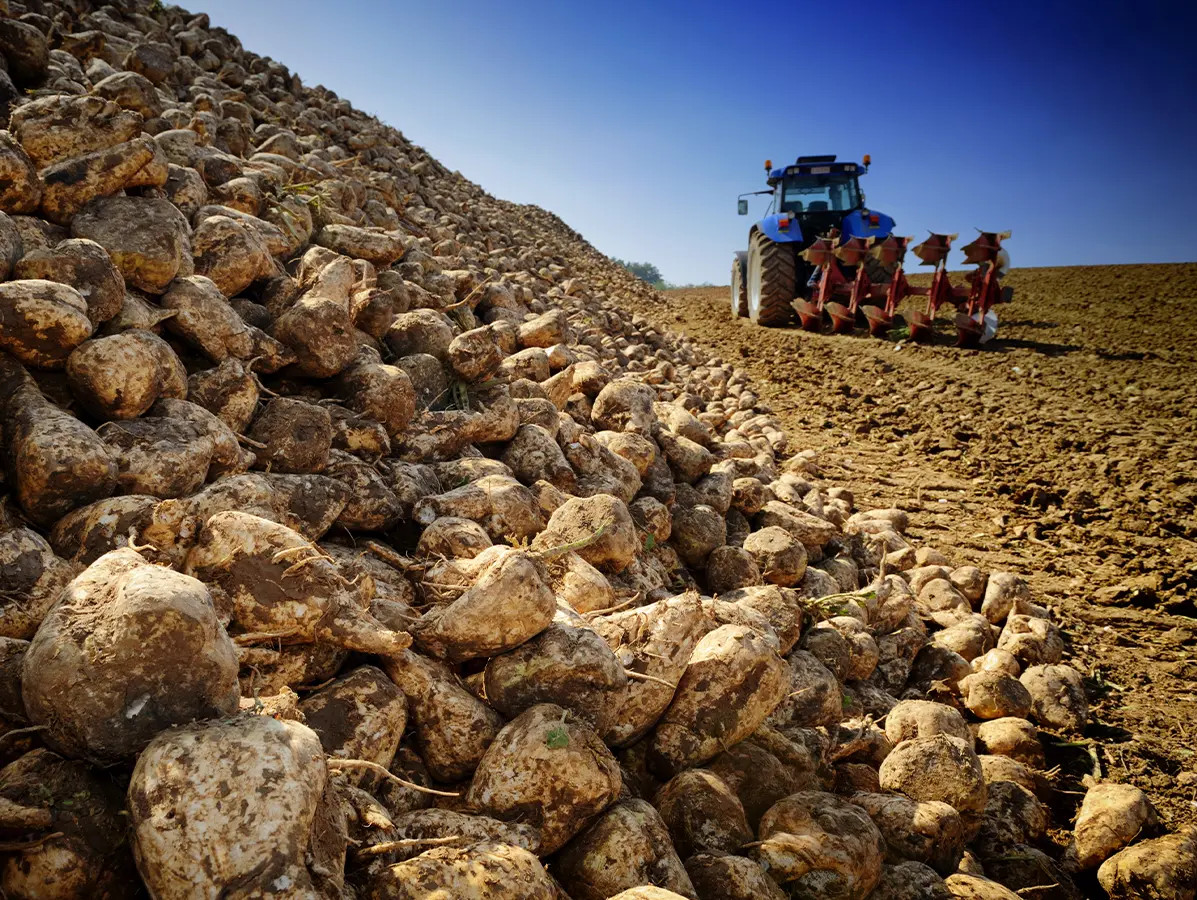
The Sugar Price Index rose by 11.9 percent in August. Adverse weather is expected to reduce European sugar beet yields. El Niño is also raising concerns in key Asian producing countries. Sugar production in Brazil also declined. In addition, India announced duty-free imports of raw sugar.
The Dairy Price Index increased by 2.3 percent. Hot and dry weather tightened milk supplies across the European Union. The Meat Price Index rose by 1 percent. High temperatures slowed pig growth within the European Union.
FAO expects global grain production to reach 2.98 billion metric tons in 2026. That is 2 percent lower than last year. Even so, it would remain the second-largest harvest on record.
Global grain trade will likely decline to 509.3 million metric tons. The stocks-to-use ratio is expected to reach 31.6 percent. According to FAO, this still indicates relatively comfortable global supplies by historical standards.
Source: FAO
Magazine Voedingsindustrie has been made possible in part by:



© COPYRIGHT 2026 VOEDINGSINDUSTRIE | ALLE RECHTEN VOORBEHOUDEN
Powered by Wallbrink Crossmedia © 2026