
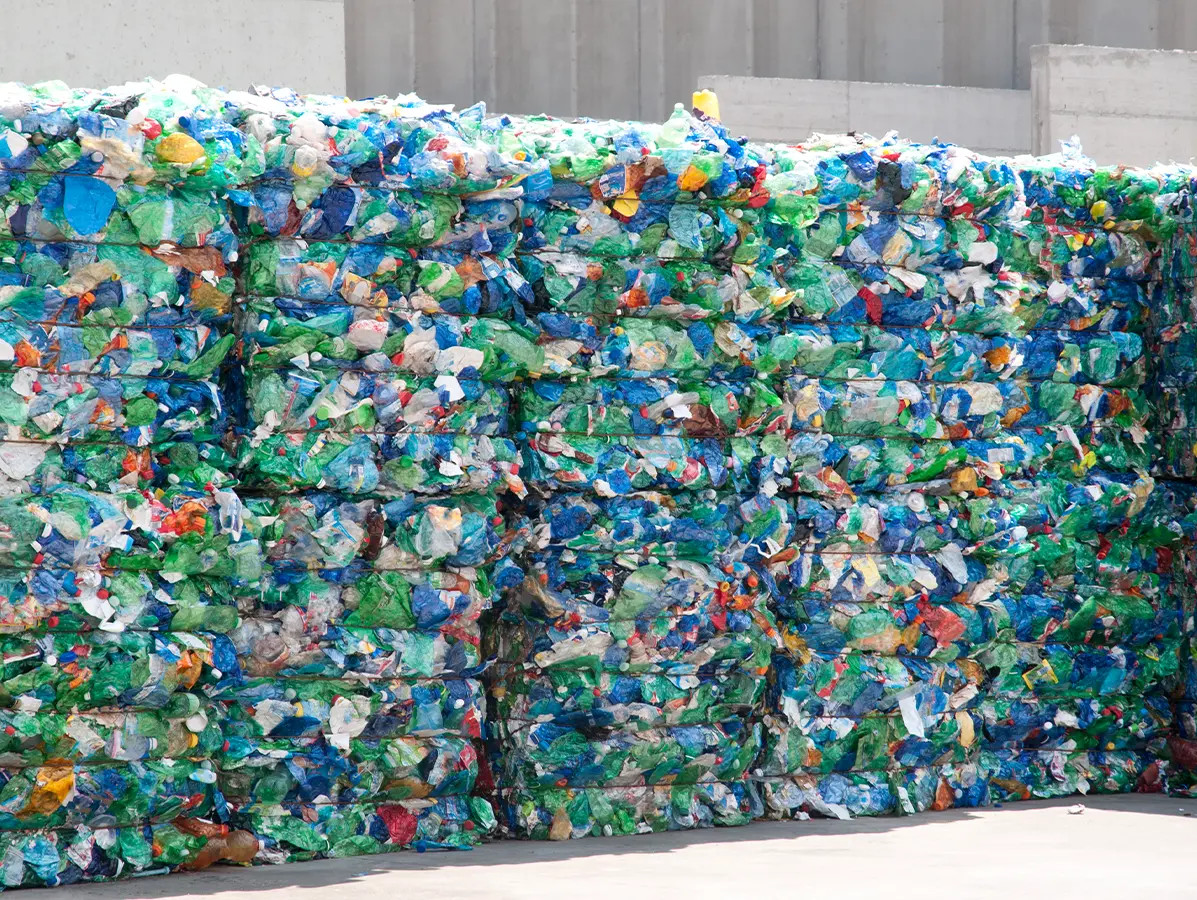
Pressure on the European plastic recycling sector is rising fast. The Netherlands, together with several other member states, is sounding the alarm in Brussels. Something needs to happen now, says State Secretary Aartsen, as businesses are struggling with the influx of extremely cheap new plastic.
Because of low oil prices, new plastic is flooding the market at very low cost. As a result, European recyclers are being pushed aside, even though they have invested heavily in a cleaner and more circular industry. The Circular Economy Act is expected to bring relief next year. The problem is that it will take time. Companies are already feeling the strain. And according to Aartsen, the consequences could be significant: “If we do not take action, more companies will go under.”
The Netherlands stresses that producing new plastic from used PET bottles within Europe is the better choice. Not from crude oil. And certainly not from questionable material imported from outside the EU. This aligns with an industry that wants to become stronger and less dependent on external resources.
So what does Brussels need to do? The Netherlands wants recycled plastic and bio-plastic to be mandatory for products sold within the EU. This would create a more stable market for companies operating in the circular economy. Clear rules are also needed: when is plastic considered waste, and when is it classified as a raw material? And how should chemically recycled material count towards new packaging? Those calculation rules are still missing.
In addition, cheap new plastic should no longer enter the European market without meeting the same requirements as those applied to European producers. The Netherlands sees this as essential for a fair level playing field. The government also wants circular businesses to be better included in other legislation and financing tools, such as fiscal incentives for plastic recyclate.
Aartsen underscores the urgency once more: “Urgency is key. Brussels must act now and also look at what is possible in the short term, because our companies need support now.”
Source: Rijksoverheid
Magazine Voedingsindustrie has been made possible in part by:



© COPYRIGHT 2026 VOEDINGSINDUSTRIE | ALLE RECHTEN VOORBEHOUDEN
Powered by Wallbrink Crossmedia © 2026