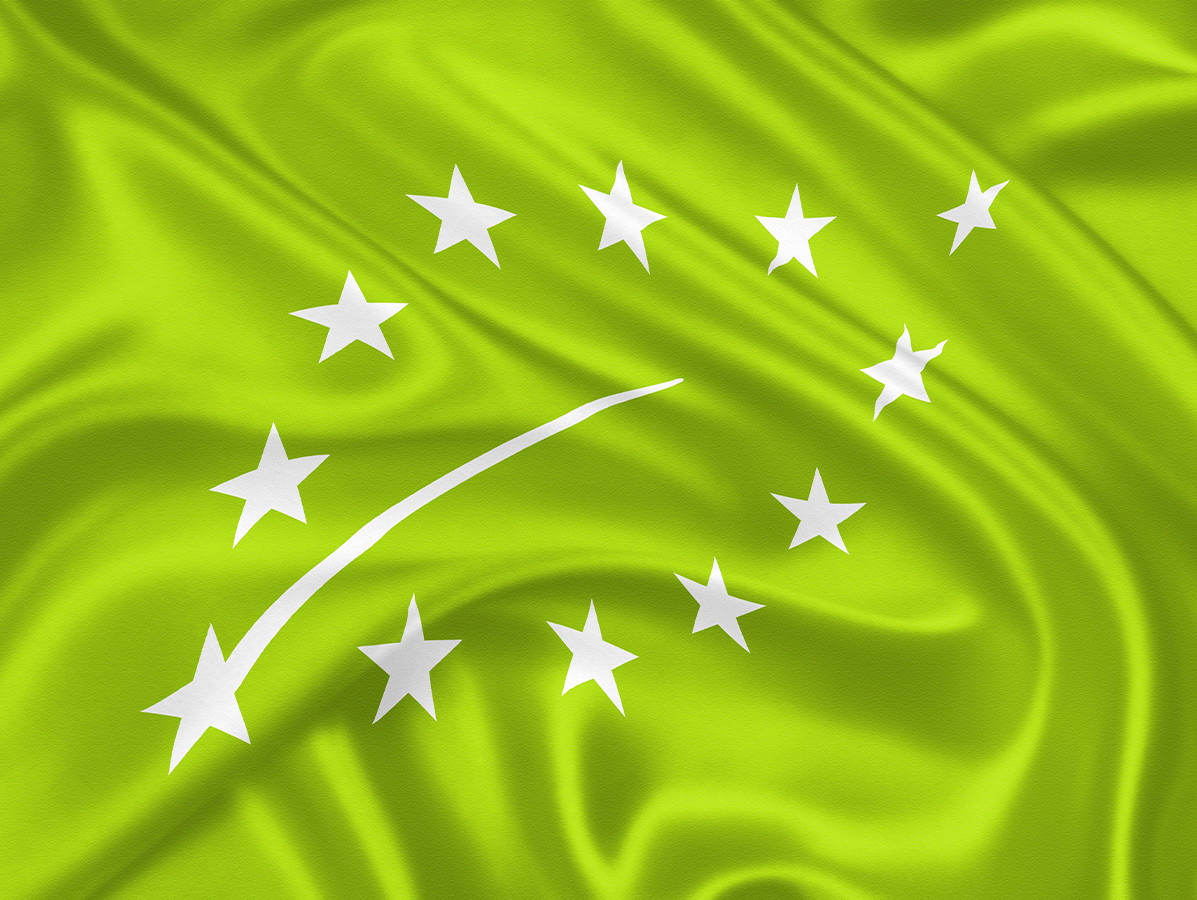
An organic product is not automatically eligible to carry the EU organic logo. This distinction is central to a provisional agreement on European rules for organic products. The Council and the European Parliament reached the agreement on October 20. The agreement aims to give importers greater certainty and reduce the administrative burden on smaller businesses. Additional conditions will continue to apply to the use of the EU logo.
The EU recognizes organic production rules in eleven non-EU countries as equivalent to its own. These include Argentina, Canada, New Zealand and the United States. Under the current arrangements, this recognition expires at the end of 2026. The agreement provides for an extension through December 31, 2036. Products from these countries may continue to be sold as organic. They may also carry the organic logo of their country of origin.
To use the EU logo, they must meet additional requirements. These cover areas including cultivation in living soil, animal welfare and processing methods. These production and monitoring requirements go beyond those covered by the equivalence arrangements.
The Council and Parliament removed a proposed exemption for the EU logo. It concerned products containing less than 5% ingredients from non-EU countries. Under the Commission’s proposal, those ingredients would not have had to meet the additional criteria.
Products labeled under the existing rules may continue to be sold. This will remain permitted until stocks are exhausted. The agreement also includes transitional arrangements for imported organic products.
The agreement raises the thresholds for small retailers to qualify for an exemption from certification. This applies to businesses selling unpackaged organic products directly to consumers. The annual sales threshold will rise from €20,000 to €40,000. This is calculated as the average annual sales over the previous five years. The annual sales volume threshold will increase from 5,000 to 10,000 kilograms.
Subject to certain conditions, the exemption will also apply to small online retailers selling prepackaged organic products. The Council and Parliament must still formally adopt the regulation. They aim to complete this before the end of 2026.
Source: Europees Parlement
Magazine Voedingsindustrie has been made possible in part by:


© COPYRIGHT 2026 VOEDINGSINDUSTRIE | ALLE RECHTEN VOORBEHOUDEN
Powered by Wallbrink Crossmedia © 2026