
One meatball, half a chicken breast, one and a half eggs, two litres of milk and two servings of fish per week. According to the EAT-Lancet Commission, that’s about as much animal-based food as belongs on a sustainable menu. Their new report, the most comprehensive to date on healthy and fair food systems, shows that the way we eat simply cannot continue. Without major changes, the planet will no longer be liveable.
Nearly a third of all global greenhouse gas emissions come from the food system. That makes it the main driver of crossing five planetary boundaries: climate, biodiversity, land use, freshwater and pollution from nitrogen and phosphorus. Even if fossil fuels were completely phased out, food production alone would still emit enough to push global warming above 1.5°C.
There is also a social imbalance. Less than 1% of the world’s population lives in the ‘safe and just space,’ where food security goes hand in hand with respect for ecological limits. At the same time, nearly a third of food system workers earn less than a living wage.
The figures show a strikingly unequal distribution. The wealthiest 30% of the global population are responsible for more than 70% of food-related environmental impacts. Meanwhile, more than a billion people do not have enough to eat, despite the fact that there are enough calories available worldwide.
“The report highlights the clear winners and losers in today’s systems,” said Johan Rockström, co-chair of the commission. “What we put on our plates can save millions of lives, cut emissions in half and protect biodiversity.”
The commission makes it tangible with the Planetary Health Diet. It focuses on a lot more plant-based foods and far less animal-based products. Just do the math:
Red meat: 14 grams per day, less than 100 grams per week — one small meatball or one and a half slices of roast beef.
Poultry: 29 grams per day, about 200 grams per week — half a chicken breast or two drumsticks.
Fish: 28 grams per day, around two servings per week.
Eggs: 13 grams per day, one and a half eggs per week.
Dairy: 250 grams per day, almost two litres of milk or seven bowls of yoghurt per week.
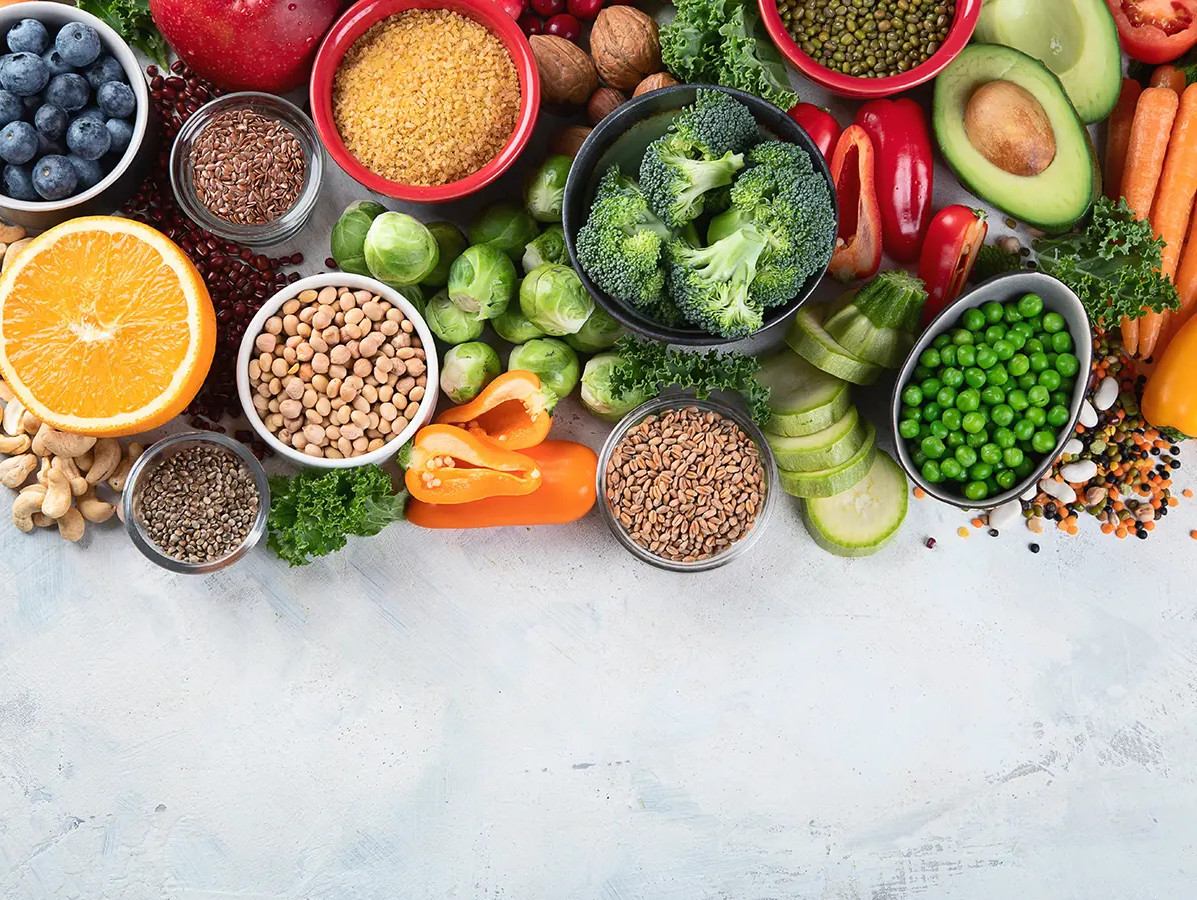
On the other side of the equation is a substantial increase in vegetables, fruit, nuts, legumes and grains. Globally, a shift towards this diet could prevent 15 million premature deaths each year while cutting greenhouse gas emissions by more than half.
Source: EAT-Lancet
Magazine Voedingsindustrie has been made possible in part by:



© COPYRIGHT 2026 VOEDINGSINDUSTRIE | ALLE RECHTEN VOORBEHOUDEN
Powered by Wallbrink Crossmedia © 2026