
Food waste in the Netherlands is declining, but too much is still being wasted. And the clock toward 2030 keeps ticking. “Although this decline is an important step, the Netherlands is not yet on track to meet the target of halving food waste by 2030,” said Ceel Elemans, sector specialist Food at ING Sector Banking.
Since 2015, food waste has decreased by 17%. That is a step forward, but not enough to meet the 2030 target. There are still gains to be made across the entire chain. Supermarkets have already taken steps, but are also running into limitations. Product requirements play a major role in this. Shape, weight, and color remain decisive. Fruits and vegetables are rejected because they are not considered “perfect,” such as cabbages that are too heavy or carrots that are too irregular.
Food waste at the consumer level remains a persistent issue. On average, around 33 kilos of food per person are thrown away each year. This not only affects total volumes but also the use of resources.
Producing food requires water, energy, and agricultural land. When that food is wasted, those resources are lost as well. It also leads to additional CO₂ emissions. Estimates suggest that halving food waste could reduce emissions by approximately 3 billion kilos of CO₂.
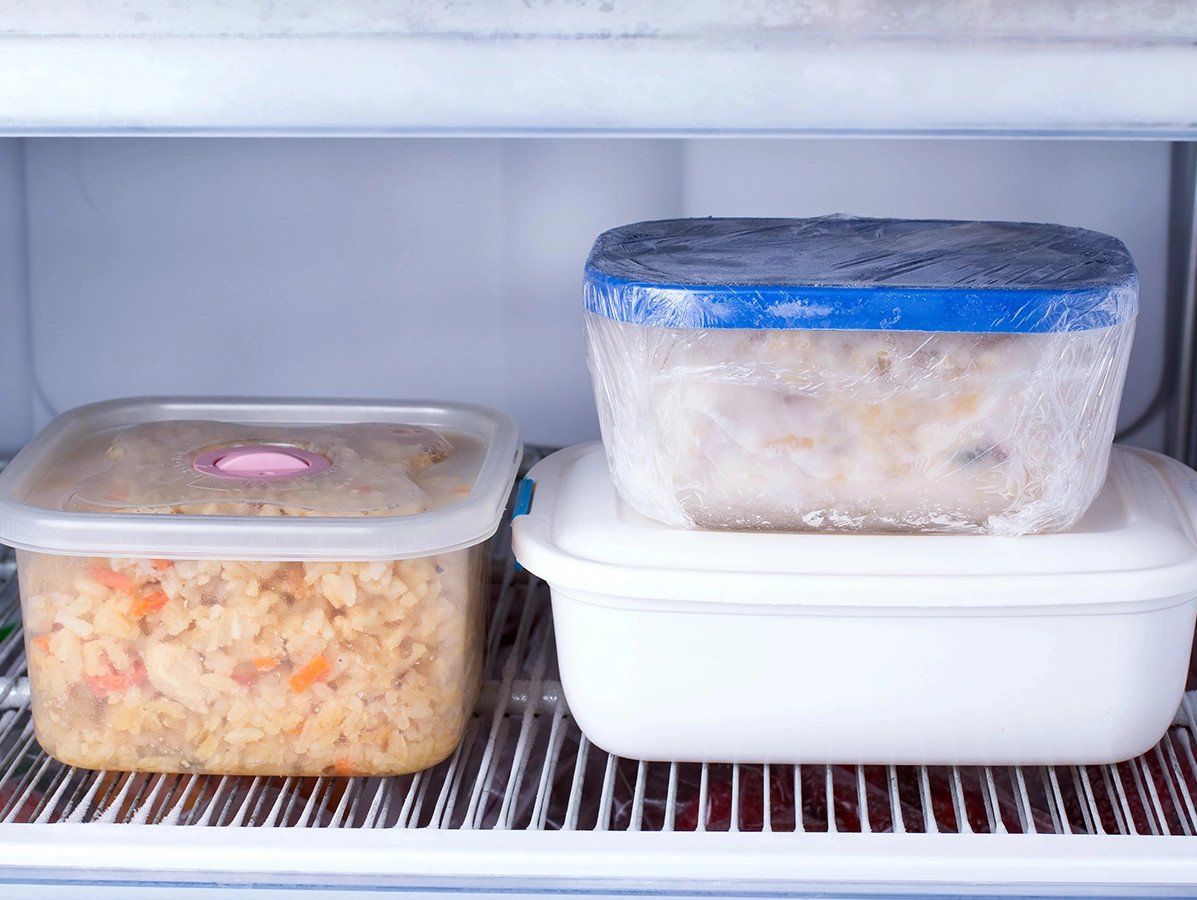
Behavioral change plays an important role here. This can be achieved without changing eating habits. Buying less and storing leftovers more effectively can already reduce waste. It also delivers financial benefits, which can add up to hundreds of euros per household each year.
Addressing food waste requires action across the entire chain. Supermarkets are increasingly using dynamic pricing for products approaching their expiration date. Consumers also play a role in the solution. The ‘look, smell, taste’ label helps extend the use of food. Leftovers can also be used more often in new meals.
Producers and retailers can further reduce waste by relaxing product requirements, without compromising food safety. The hospitality sector is also taking steps. Smaller portions contribute to less waste. In addition, AI-driven solutions, such as those from Orbisk, provide insight into kitchen waste. Chefs receive daily reports on what is being discarded and which products are wasted most.
The Autoriteit Consument & Markt actively encourages collaboration on sustainability goals.
Source: ING
Magazine Voedingsindustrie has been made possible in part by:



© COPYRIGHT 2026 VOEDINGSINDUSTRIE | ALLE RECHTEN VOORBEHOUDEN
Powered by Wallbrink Crossmedia © 2026