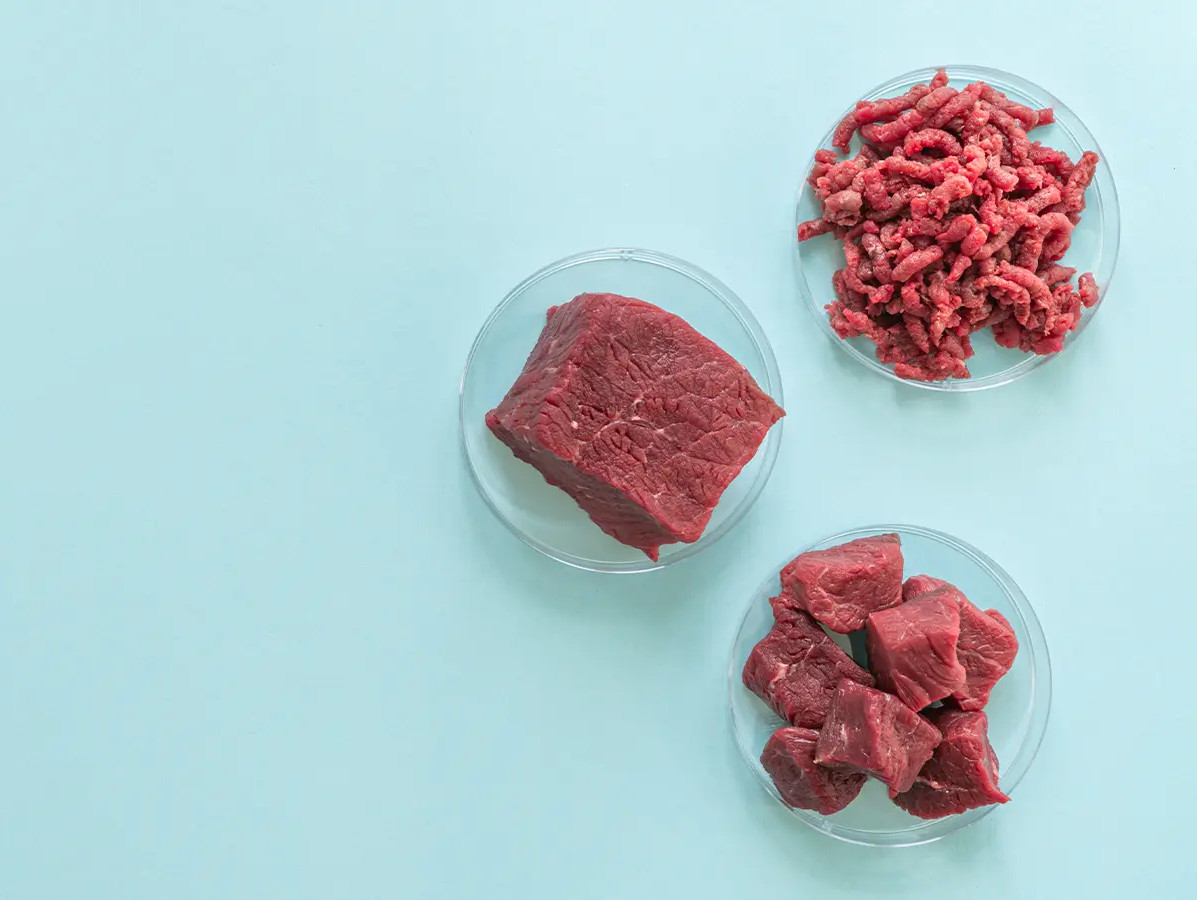
The Dutch pilot for cultivated meat tastings has been extended by two years. Producers now have more time to organize controlled tastings. The process from dossier preparation to tasting takes almost a year. The Code of Practice has been revised for the next phase.
The initial pilot ran from mid-January 2024 to mid-January 2026. During that period, two companies held a total of five cultivated meat tastings. The Code of Practice sets out technical guidelines for these tastings. The code is intended for producers of cultivated meat and fish. They are responsible for organizing and conducting the tastings. An independent committee of experts uses the code to assess safety.
Wageningen Food & Biobased Research (WFBR) examined the code’s implementation, completeness, and effectiveness. WFBR compared the guidelines with how they were applied in practice. According to WFBR, the code provided a valuable framework for safe tastings. The parties involved took care to organize the tastings safely.
The extension follows a request from the companies involved. Some companies were still developing their products during the initial pilot period. Others want to organize follow-up tastings after their earlier sessions.
New companies emerged partly thanks to investment from the National Growth Fund. A new scale-up facility was also established. An increasing number of companies are ready to hold tastings. Research institutions have also expressed interest in organizing tastings for research.
The revised code clarifies the requirements for dossiers submitted to the committee. It also refines the arrangements for communication and responsibilities among the parties. Procedures governing dossier management and independence have been formalized. The code also specifies what to do if adverse effects occur after a tasting. Preparations for tastings under the extended pilot can begin immediately.
In Europe, efforts under the Biotech Act I focus on creating room for innovation. The Dutch tasting model serves as an example.
Source: Tweede Kamer
Magazine Voedingsindustrie has been made possible in part by:



© COPYRIGHT 2026 VOEDINGSINDUSTRIE | ALLE RECHTEN VOORBEHOUDEN
Powered by Wallbrink Crossmedia © 2026