
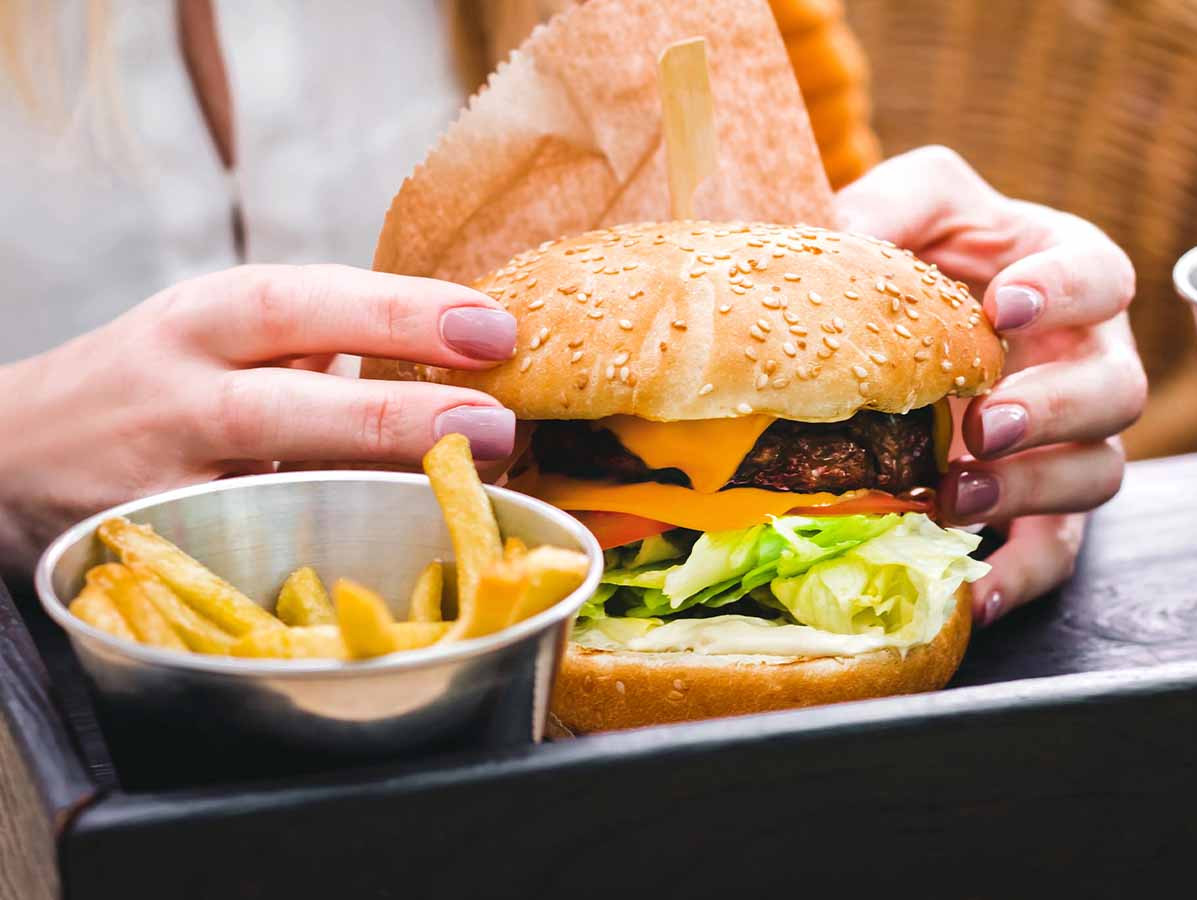
The quick bite is losing its edge. Where you used to grab a decent takeaway or delivery for ten euros, people now think twice before ordering. Fast food is no longer automatically seen as cheap.
The classics, McDonald’s, Burger King, Febo, Kwalitaria, always fared well during tough economic times. Cheaper than a sit-down restaurant, so customers kept coming. But that’s changing. Between January 2020 and June 2025, fast food and takeaway prices rose by 39 percent. In restaurants and cafés, the increase was 28 percent. Supermarkets came in at 34 percent. The price gap has narrowed considerably.
Fast food chains are feeling the impact. In 2024, the sector still generated over €7 billion in revenue, accounting for 51 percent of the total foodservice market. Yet spending per visit is declining. “The consumer no longer automatically sees fast food as cheap.” What makes it even harder: rising costs. Energy, oils, fats, the essentials for fast food prep, have all become significantly more expensive. More so than in other parts of the foodservice sector.
The pandemic gave a major boost to delivery and takeaway. Between 2020 and early 2023, the number of locations jumped by 52 percent, from 3,060 to 4,659. But that growth has come to a halt. Since 2023, there’s been a slight decline of 2 percent.
And the competition isn’t just internal. Traditional restaurants and supermarkets have become more appealing. That’s partly due to smaller price increases, but also because consumer habits are shifting.
Since early 2024, card payments at fast food outlets have been falling. Even after adjusting for seasonal effects, the downward trend is clear. Only delivery orders show a slight recovery at the start of this year.
Meanwhile, fast food chains are pulling out all the stops to retain customers. They're tweaking menus, running promotions, investing in self-order kiosks, and turning to loyalty programs. McDonald’s and Kwalitaria, for example, are already seeing positive results from their rewards systems.
Source: ABN Amro
Magazine Voedingsindustrie has been made possible in part by:



© COPYRIGHT 2026 VOEDINGSINDUSTRIE | ALLE RECHTEN VOORBEHOUDEN
Powered by Wallbrink Crossmedia © 2026