
The climate challenge is often framed in terms of technology and innovation. The Wetenschappelijke Klimaatraad (WKR) emphasizes something else: behavior. According to the council, the potential of behavioral change remains underutilized, even though it is essential to achieving climate targets.
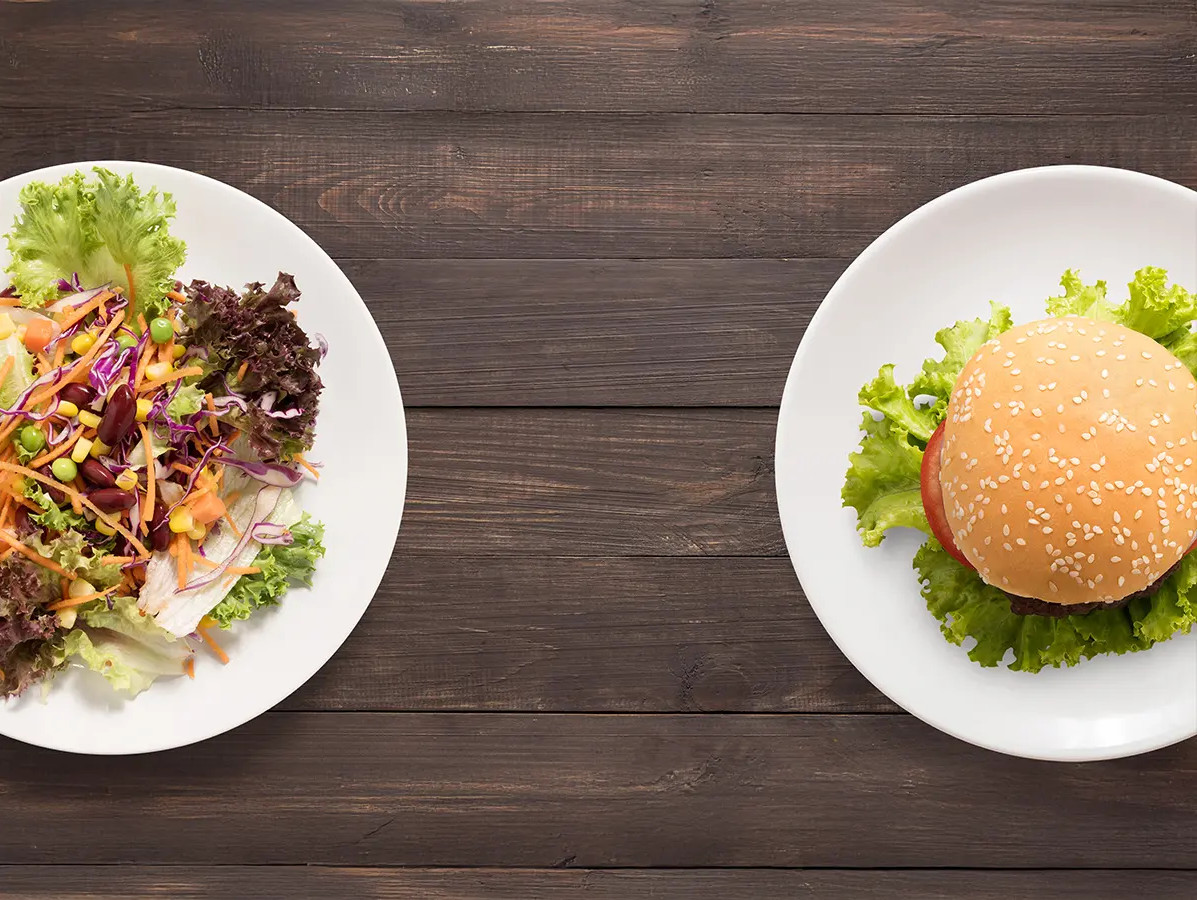
Sustainable behavior includes changes in dietary patterns. Globally, emissions from food consumption could fall by 40% if people waste less food and consume fewer animal proteins. That underscores the impact of consumption choices across the supply chain.
In the Netherlands, a limited number of lifestyle changes could deliver roughly 40 megatons of CO2 reduction. About 17 megatons of that would count toward national climate targets. Without behavioral change, the 2030 targets will slip out of reach.
Many Dutch citizens consider the climate important and are willing to contribute themselves. Still, the surrounding environment often makes sustainable choices difficult, for example due to price incentives or the dominance of less sustainable options. The WKR argues that behavioral policy must go beyond public awareness campaigns alone. Effective policy combines positive and negative incentives and removes counterproductive ones. The council explicitly mentions phasing out fossil fuel subsidies and addressing advertising and promotions aimed at the consumption of, among other things, meat and dairy.
Support for climate policy in the Netherlands is often stronger than assumed. A key condition is that major emitters are addressed and that policy does not result in unfair distribution. Perceptions of unfairness erode public support.
For companies in the food industry, this means that consumer behavior and policy frameworks are increasingly converging. The WKR makes clear that behavioral change is not a side issue, but a central pillar of future climate policy.
Source: De Wetenschappelijke Klimaatraad (WKR)
Magazine Voedingsindustrie has been made possible in part by:



© COPYRIGHT 2026 VOEDINGSINDUSTRIE | ALLE RECHTEN VOORBEHOUDEN
Powered by Wallbrink Crossmedia © 2026





