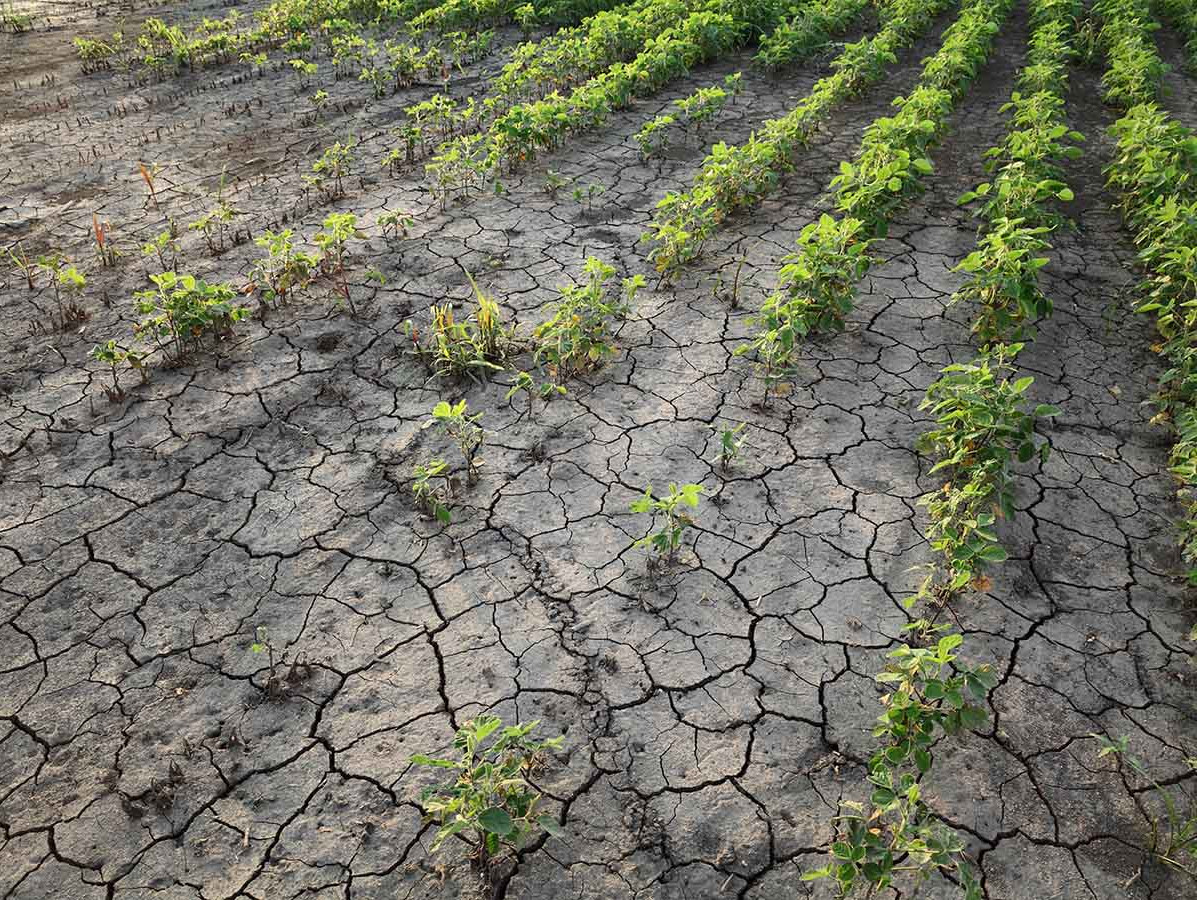
Heatwaves, heavy downpours, droughts that drag on longer than farmers can handle. The weather’s becoming more erratic, and it’s leaving its mark on the food chain. Not just out in the fields, but right on your plate. Moulds, bacteria, contaminated water; climate change is raising the stakes for food safety. And the chain isn’t always prepared for it.
Most food safety hazards aren’t new, but the chance we’ll encounter them is increasing. Warm and wet conditions? Perfect for fungi like Fusarium and Aspergillus, which produce mycotoxins on grains and legumes.
Toxic plants and weeds are also growing faster. That means a higher risk of phytotoxins in animal feed and food crops. At the same time, pathogenic bacteria like Vibrio, Salmonella and Campylobacter are becoming more common in fish, shellfish and meat. And then there’s the cold chain. When power cuts hit during extreme weather, harmful bacteria can quickly multiply.
Torrential rain followed by muddy runoff leads to the leaching of manure, pathogens and chemicals into ditches, rivers and ponds. That same water is then used for irrigation, fisheries or livestock drinking water.
Drought brings its own problems. It concentrates heavy metals in the soil. If those substances make their way into crops or milk, food contamination becomes a real concern. Flooding adds to the mix, sewage, sludge and other waste materials end up on farmland. Think microplastics, pharmaceutical residues or viruses like norovirus.
There’s a growing body of research on toxins and their links to climate change. Think prediction models, detection tools and monitoring systems. Mycotoxins and phycotoxins are getting the most attention. But many important questions remain unanswered. What happens after prolonged drought followed by extreme rainfall? What if alternative water sources, such as treated wastewater, end up being used anyway? What are the implications for food safety?
The effects of changing diets, novel foods and new agricultural systems on food safety also remain unclear. The risks are increasing. Knowledge is growing too, but time is running out.
Source: NVWA
Magazine Voedingsindustrie has been made possible in part by:



© COPYRIGHT 2026 VOEDINGSINDUSTRIE | ALLE RECHTEN VOORBEHOUDEN
Powered by Wallbrink Crossmedia © 2026