Does a product’s composition match the supplier’s specifications? The European overview of suspected fraud for September 2026 lists a range of discrepancies. These concern both ingredients and information about product composition. Products listing the Netherlands as their country of origin also feature in the report. The notifications provide useful information for food businesses assessing their vulnerability to fraud.
The European Commission identified 164 cases of suspected fraud among 803 iRASFF notifications. These concern cross-border violations involving possible fraud. The Commission stresses that these are not confirmed cases of fraud. The notifications may prompt investigations by the competent authorities.
Germany reported organic frozen shrimp listing the Netherlands as their country of origin. The notification concerned 21.9 percent undeclared added water. Frozen pangasius fillets of Dutch origin were also listed because of added water.
For meat products, discrepancies emerged between the declared and actual composition. A Greek preparation labeled as containing ground beef contained chicken and undeclared pork. According to the notification, the preparation contained no beef at all.
Olive oil and honey also feature in the overview. According to the notification, olive oil from Greece also contained sunflower oil. Olive oil from Belgium contained other vegetable oil. Several notifications concerning honey involved enzymes that do not occur naturally in honey. These were enzymes from the alpha-amylase group.
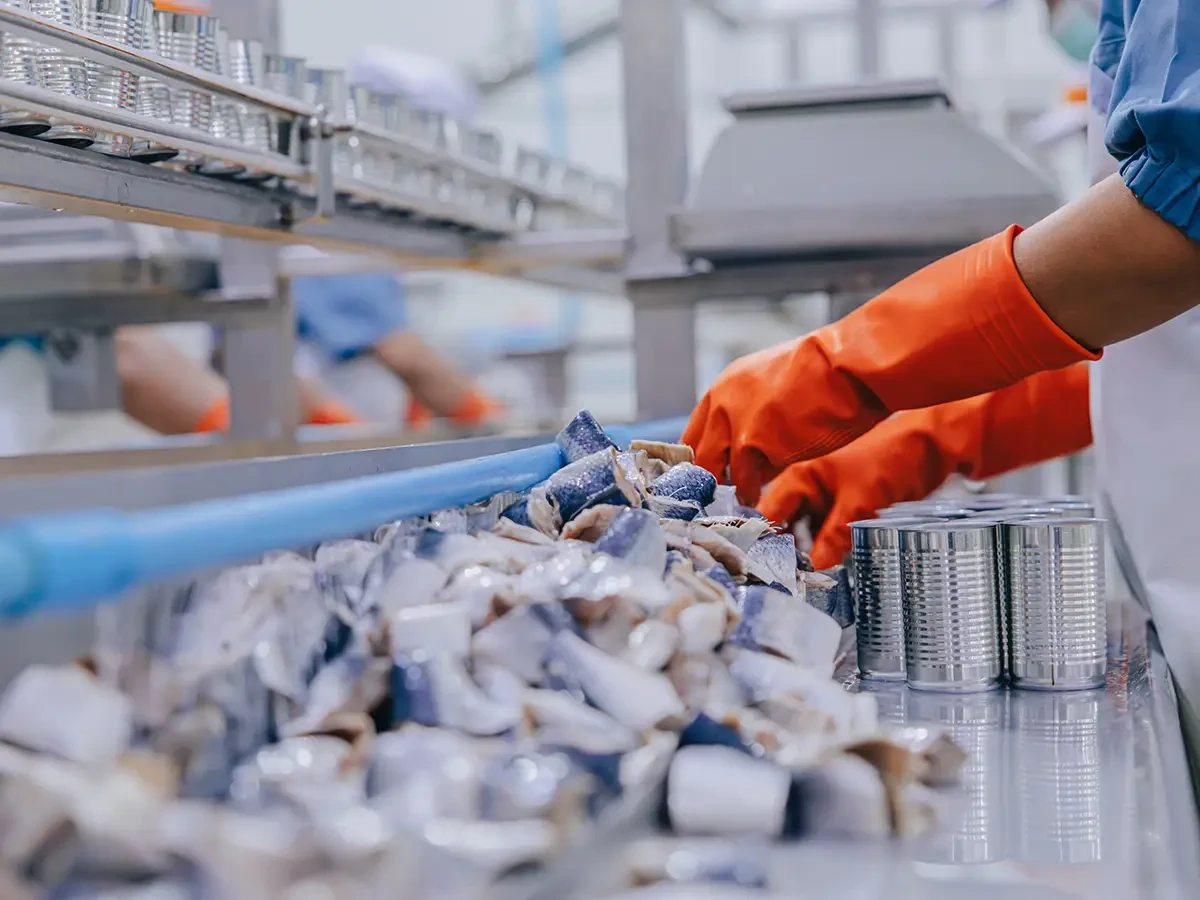
The fish and fish products category accounted for 14 cases of suspected fraud in September. Meat and meat products excluding poultry accounted for 10 cases. The fats and oils category accounted for another 9 cases.
Dietetic foods, food supplements and fortified foods together formed the largest category. This product group accounted for 48 cases in the overview.
Market controls were the source of 82 cases of suspected fraud. Border controls identified another 25 cases. Companies’ own checks accounted for 14 of the recorded cases.
Source: Europese Commissie
Magazine Voedingsindustrie has been made possible in part by:



© COPYRIGHT 2026 VOEDINGSINDUSTRIE | ALLE RECHTEN VOORBEHOUDEN
Powered by Wallbrink Crossmedia © 2026