The food products studied on the Dutch market contain similar or lower PFAS concentrations than those elsewhere in Europe. These are the findings of a new literature review by RIVM. A favorable comparison, but it does not mean the problem has been resolved. Exposure through food and drinking water still exceeds the health-based guidance value. Other research findings confirm the importance of these sources, although their exact contribution remains uncertain.
RIVM published the studies on November 12, 2026. For the European comparison, researchers examined several food categories. These included fish, shellfish, fruit, vegetables, eggs, and meat. Insufficient data were available to compare other product categories.
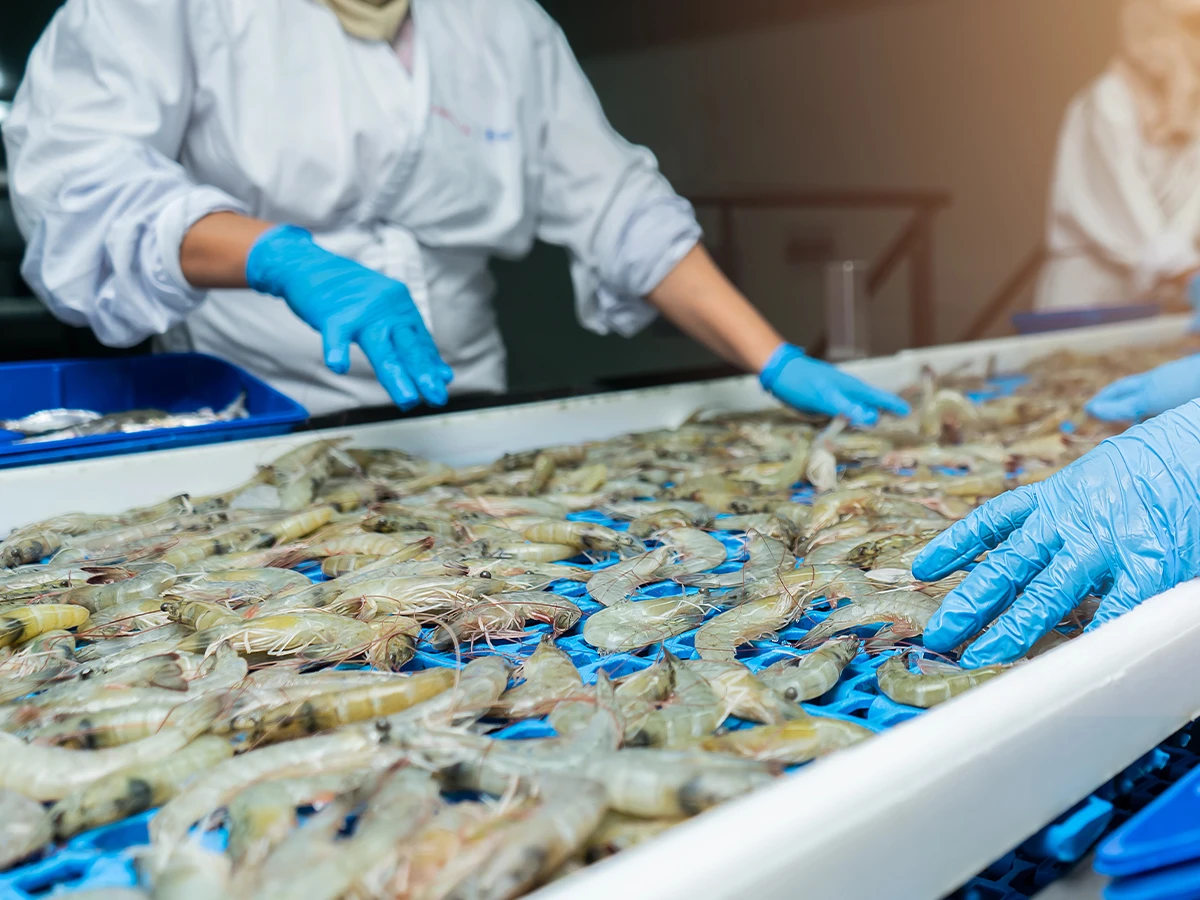
Concentrations of certain PFAS are higher in some products than elsewhere. This applies to fish and shellfish from the Western Scheldt. Eggs from backyard chickens are also an exception to the overall picture. This does not apply to commercially produced eggs or fish from areas outside contamination hotspots. Shellfish from outside these areas are not an exception either.
According to RIVM, the results provide an initial indication. The studies reviewed differ in how researchers collected their data. This makes it difficult to compare the findings directly. More reliable conclusions require a standardized European approach and data on a wider range of food products. www.rivm.nl
A second study compares measured PFAS levels in blood with model predictions. These models predict levels in the body based on exposure through food and drinking water. The predicted and measured levels differ little.
This confirms that food and drinking water are important sources of PFAS exposure. Whether they are also the main sources remains uncertain. The blood measurements and dietary data came from different groups of people. Too little is known about other sources as well.
RIVM therefore recommends further research involving the same individuals. Researchers should measure participants’ blood levels and record what they eat and drink.
Source: RIVM
Magazine Voedingsindustrie has been made possible in part by:



© COPYRIGHT 2026 VOEDINGSINDUSTRIE | ALLE RECHTEN VOORBEHOUDEN
Powered by Wallbrink Crossmedia © 2026