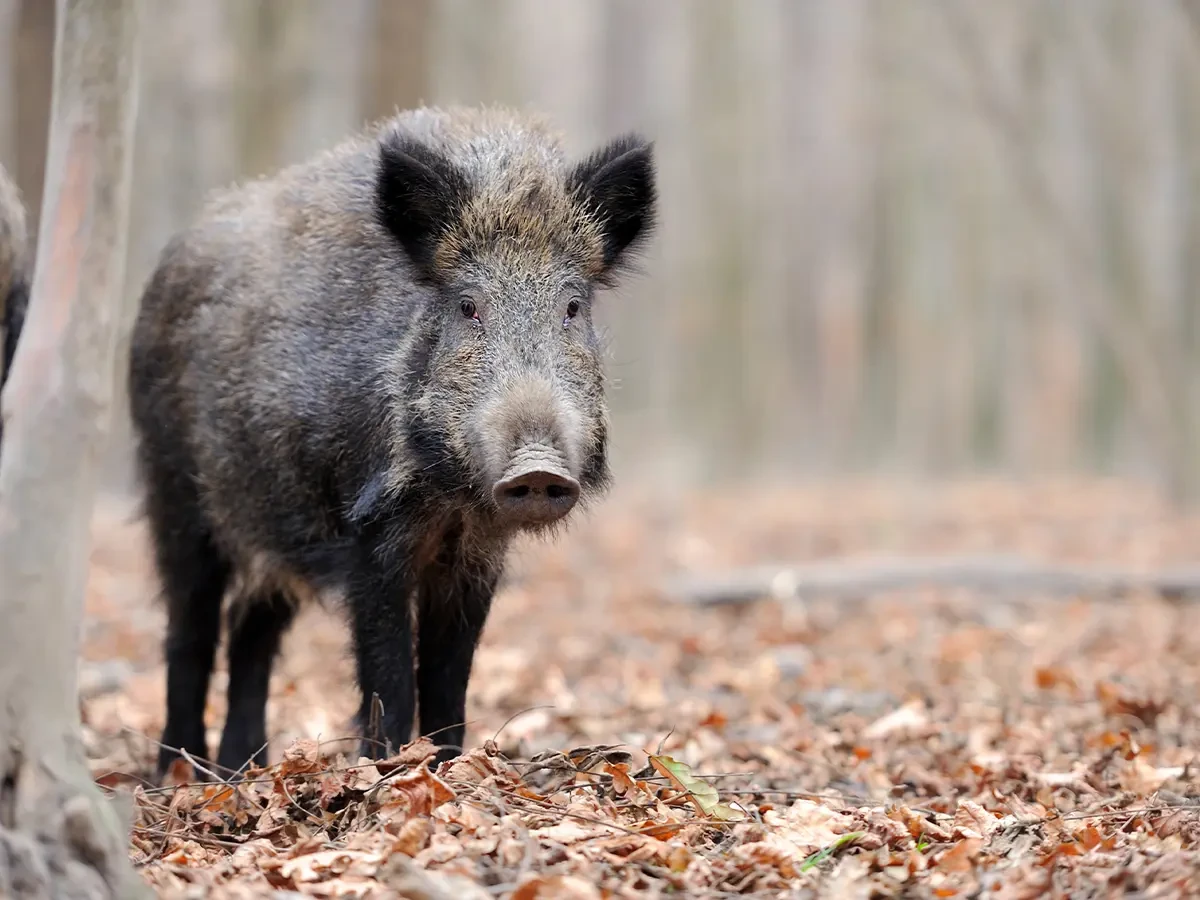
An outbreak of African swine fever is ongoing near Winterberg, Germany, about 100 kilometers from the Dutch border. Over the past year, infected wild boar have been found there only within the designated zone. The disease is also present in wild boar in Spain and Italy. An outbreak in the Netherlands could deal a serious economic blow to the Dutch pig farming sector. In a letter to the Dutch House of Representatives, State Secretary Silvio Erkens outlines how the Netherlands is preparing for that possibility.
The Ministry of Agriculture has ordered 40 kilometers of fencing to be kept in reserve. In the event of an outbreak, provinces can use the fencing to quickly cordon off an affected area. When setting the boundaries, they consider where wild boar live and the routes they travel. Where possible, they use rivers, canals, and highways as boundaries. Most of the provinces involved have finalized their plans or are putting the finishing touches on them.
The NVWA is getting a team ready to use drones to locate carcasses. Infected carcasses are the main source of infection for other wild boar in the affected area. The ministry is also looking into whether it can train search dogs to find carcasses.
Since September 1, 2026, the Holland Varken quality assurance program has required an annual biosecurity assessment. As a result, virtually every Dutch pig farm must review its biosecurity practices each year. The sector aims to reduce the risk of infection among farmed pigs.
Experts have identified the types of locations where the virus is most likely to enter the Netherlands. These include places where wild boar could come into contact with contaminated pork products left behind. The list of categories is expected to be finalized in December 2026. Provinces can use it to identify specific high-risk locations and tailor their measures accordingly.
Source: Tweede Kamer
Magazine Voedingsindustrie has been made possible in part by:



© COPYRIGHT 2026 VOEDINGSINDUSTRIE | ALLE RECHTEN VOORBEHOUDEN
Powered by Wallbrink Crossmedia © 2026